BME Building K
The Building That Has Shaped Hungarian Engineering for Over a Century
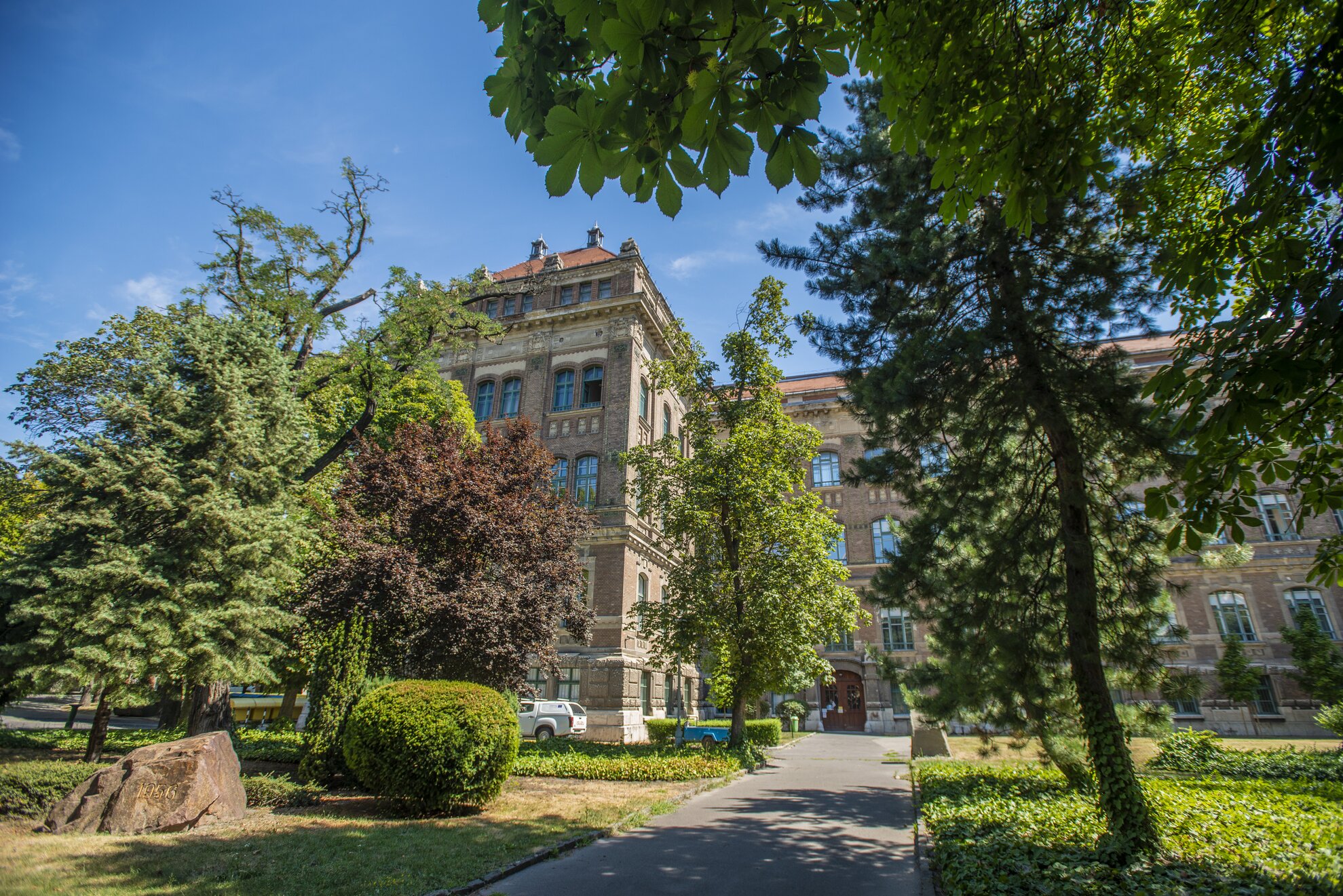
There are few university buildings in Hungary that play such a defining role in science, architecture, and Hungarian history all at once as Building K of the Budapest University of Technology and Economics.
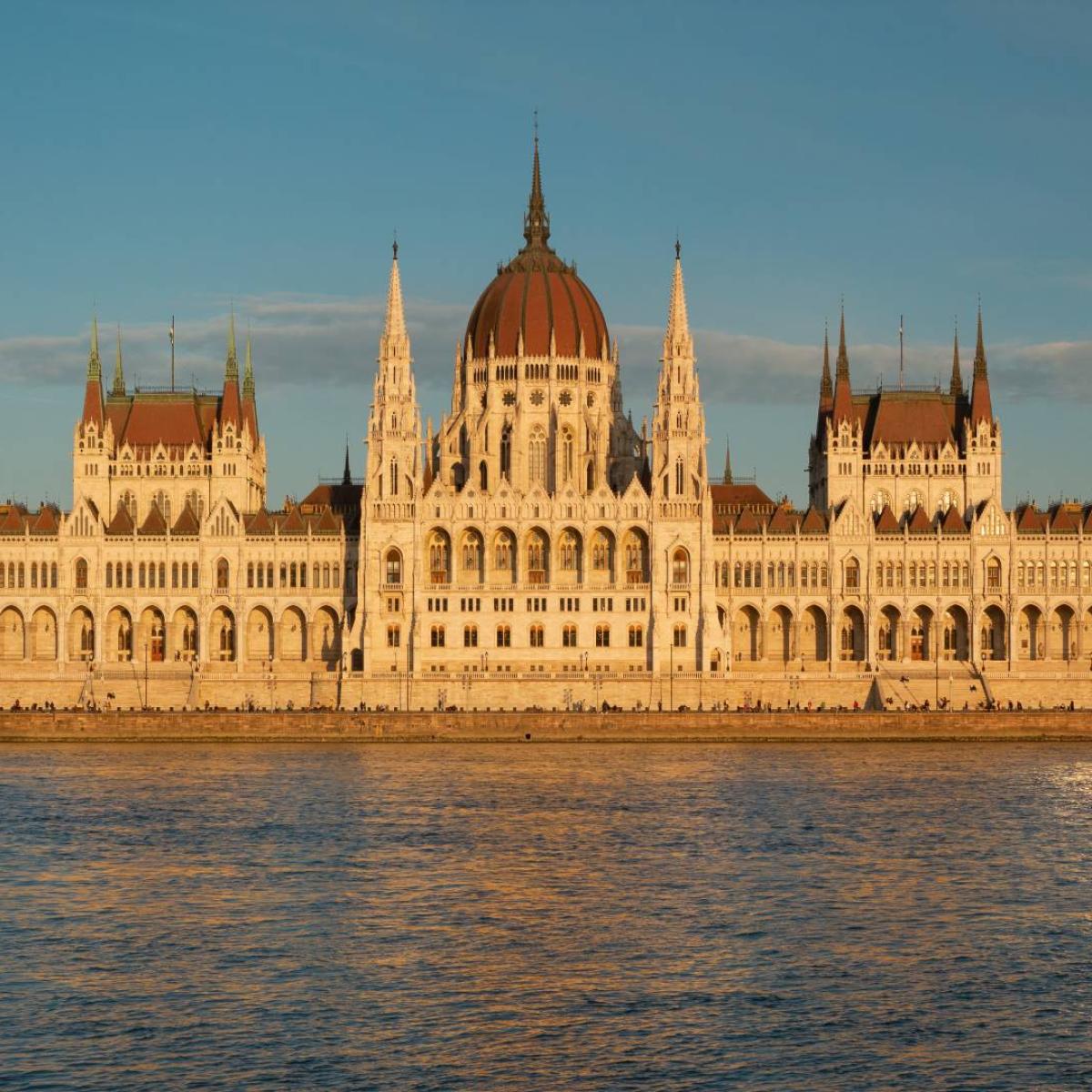
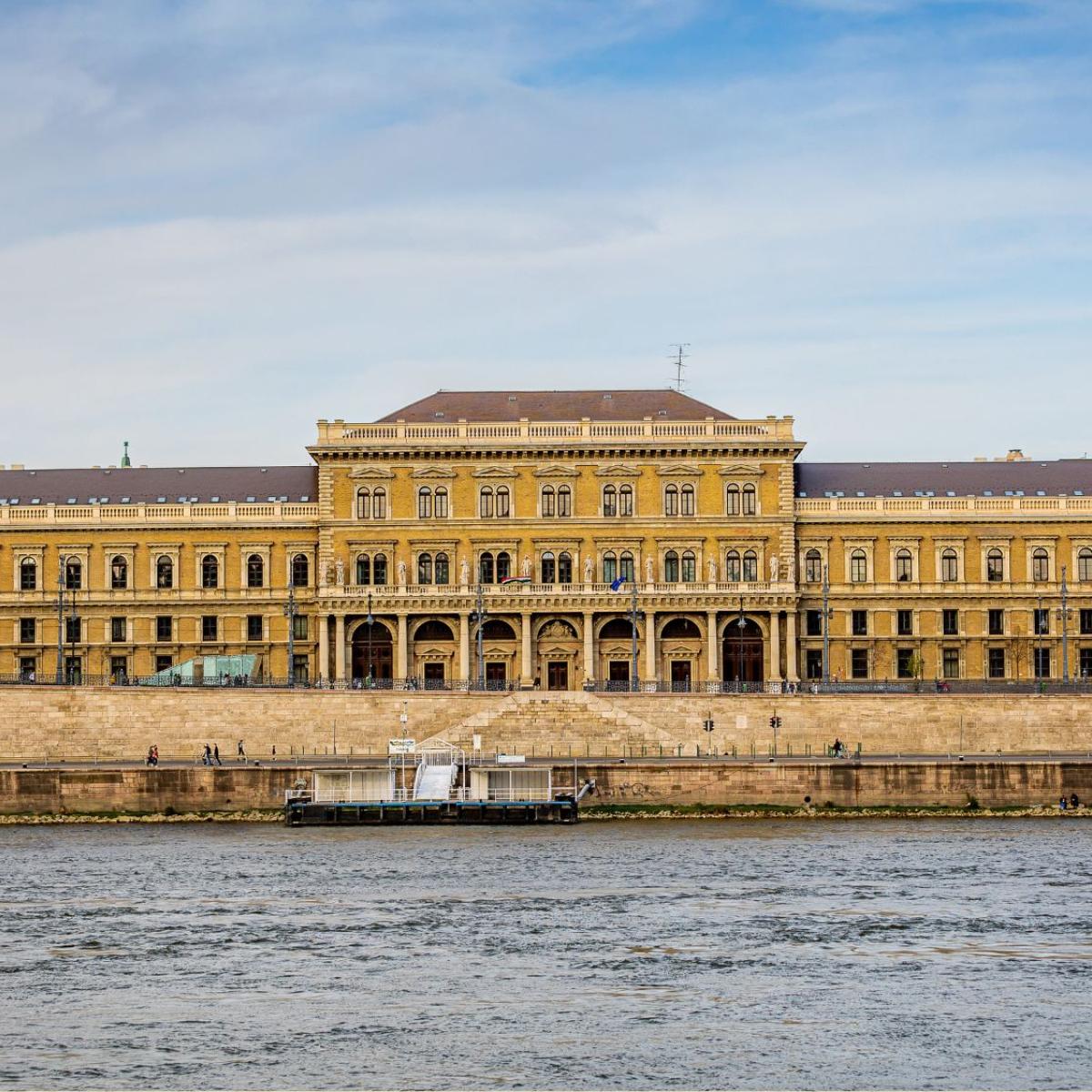
At first glance, this monumental building on the banks of the Danube resembles a palace or a government ministry more than a university. This is no coincidence. Alajos Hauszmann designed it so that the home of the technical sciences would exude the same prestige as the country's most important public buildings. Building K was intended not only as an educational institution but also as a symbol that Hungary's development is shaped by engineers, architects, and scientists.
When a Country Outgrew Its Old Technical University
The history of Hungarian technical higher education dates back to 1782, when the Institutum Geometrico-Hydrotechnicum, one of Europe's earliest institutions for training engineers, was established during the reign of Joseph II.
By the end of the 19th century, the Royal Joseph Technical University on Múzeum Boulevard could no longer meet the needs of the rapidly developing country. Industrialization, railway construction, and urban development demanded an ever-increasing number of engineers, so it became clear that a completely new university center was needed.
Read more
The Lágymányos Campus Is Born
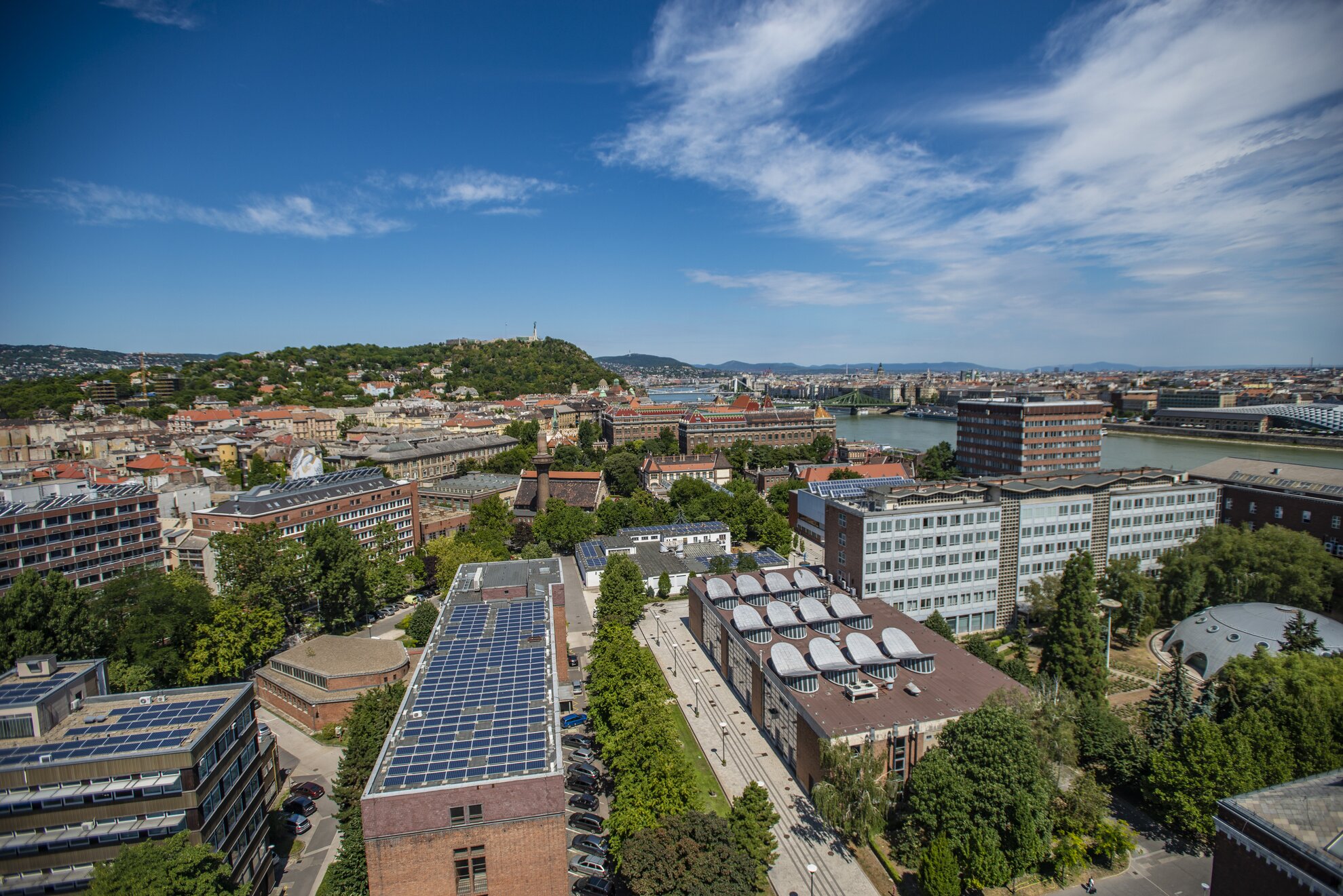
The new campus of the Technical University was also part of the large-scale urban development projects in Budapest at the turn of the century. Building K, designed by Alajos Hauszmann, became the central element of the university district taking shape on the Buda side of the Danube.
Construction began in 1906, and in just three years, one of the country's most modern university buildings was completed. Its inauguration in 1909 marked the beginning of a new era in the history of Hungarian engineering education.
A Palace on the Outside, Engineering Precision on the Inside
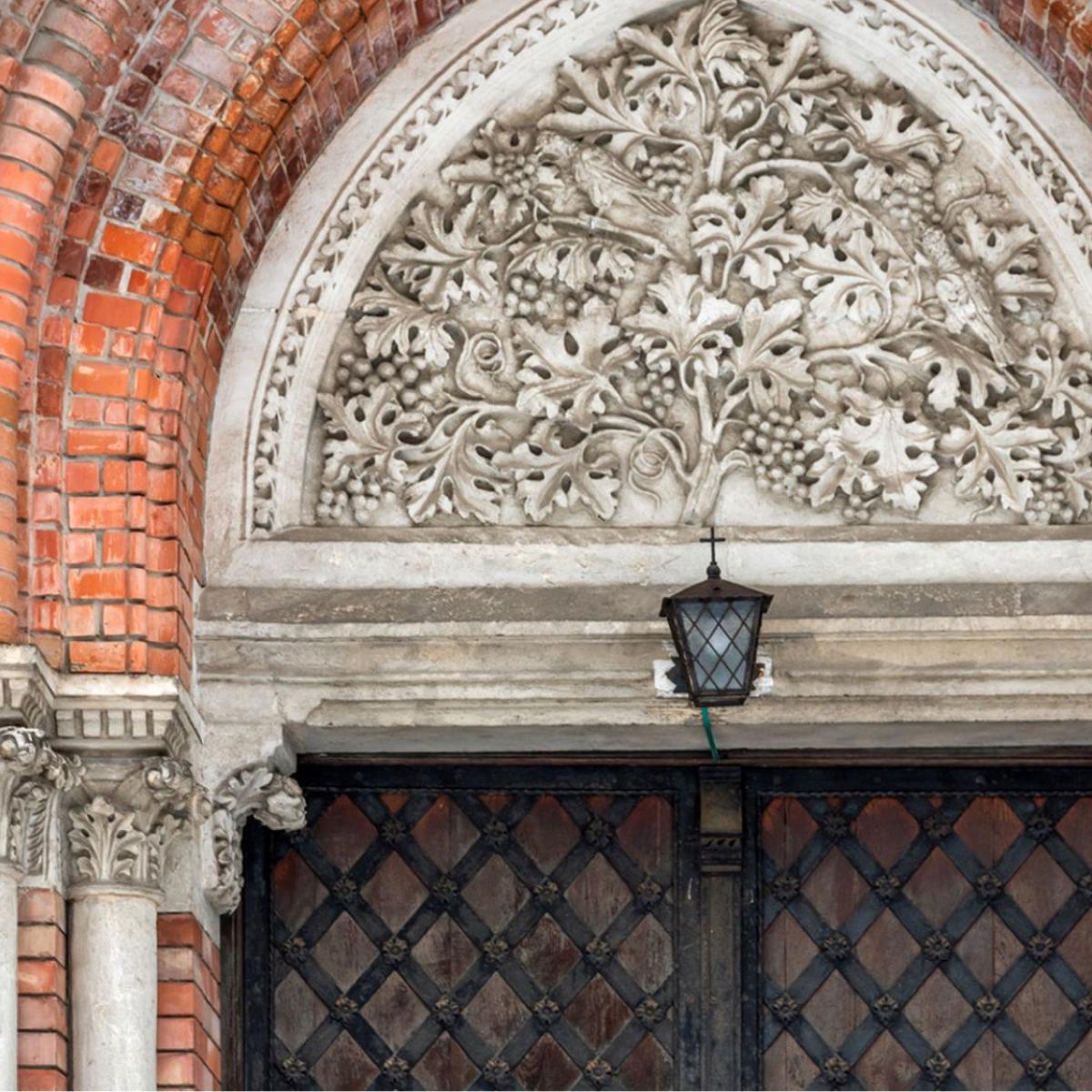
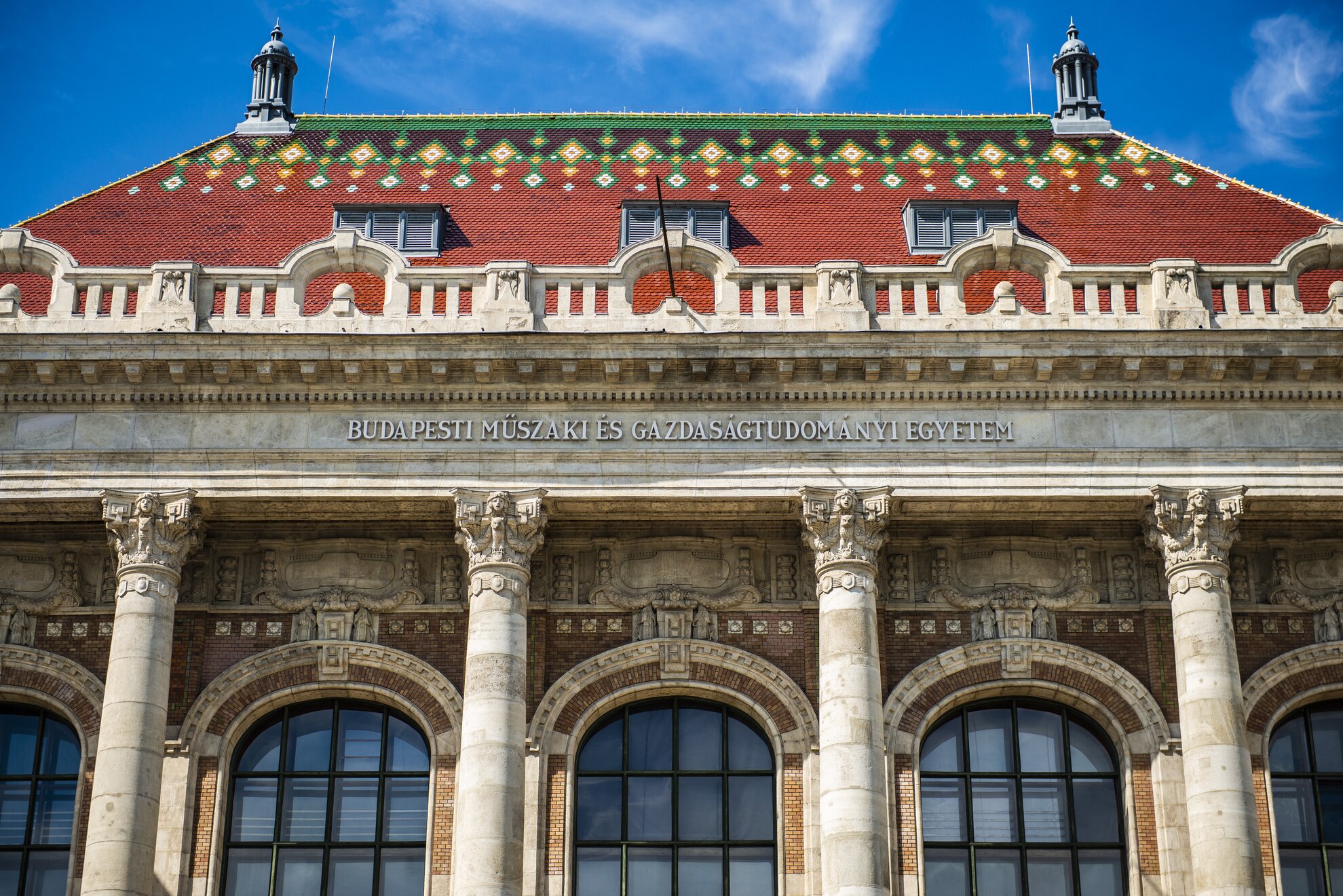
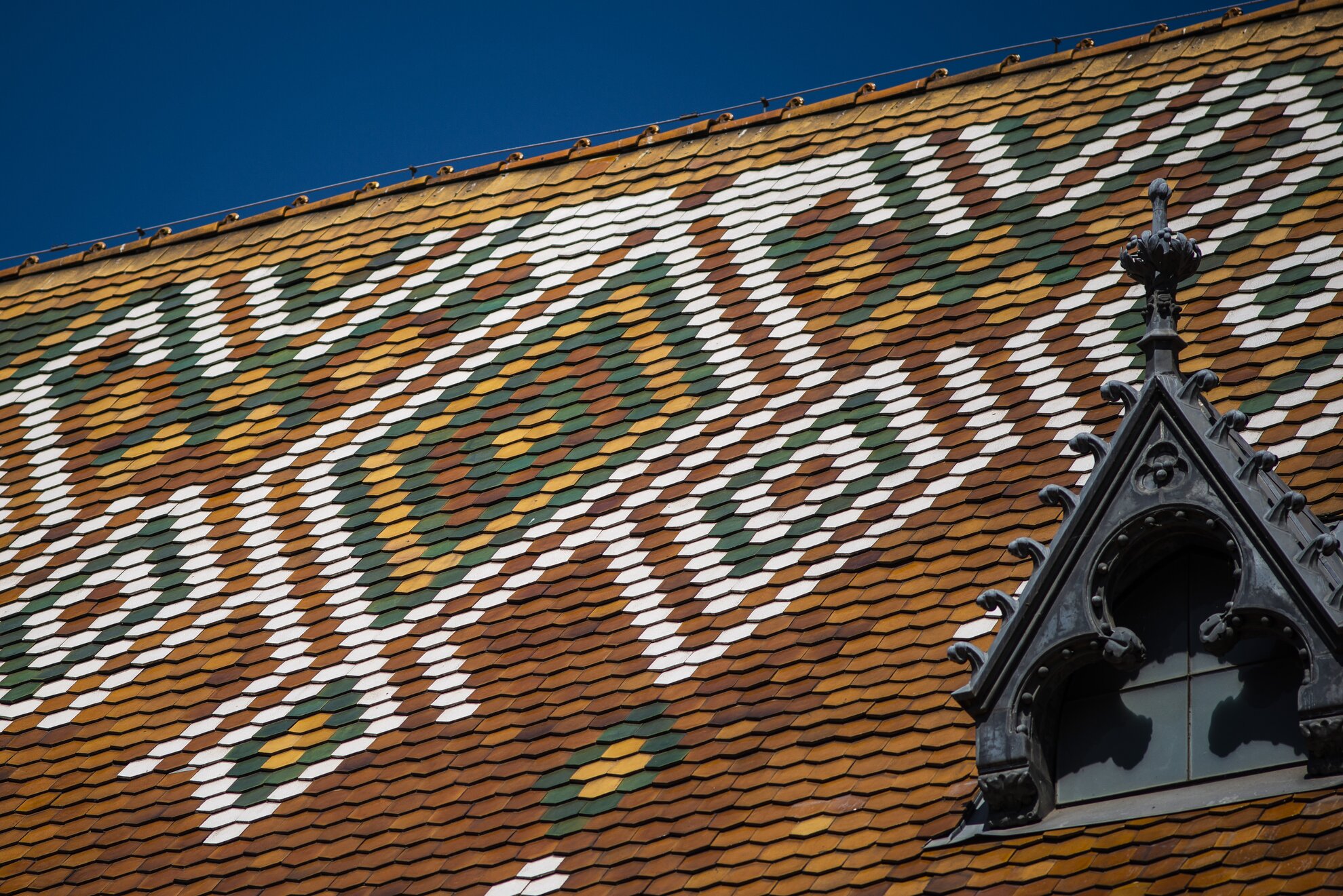
The main facade facing the Danube is distinguished by six monumental Corinthian columns, red brick surfaces, carved stone, and Zsolnay pyrogranite decorations.
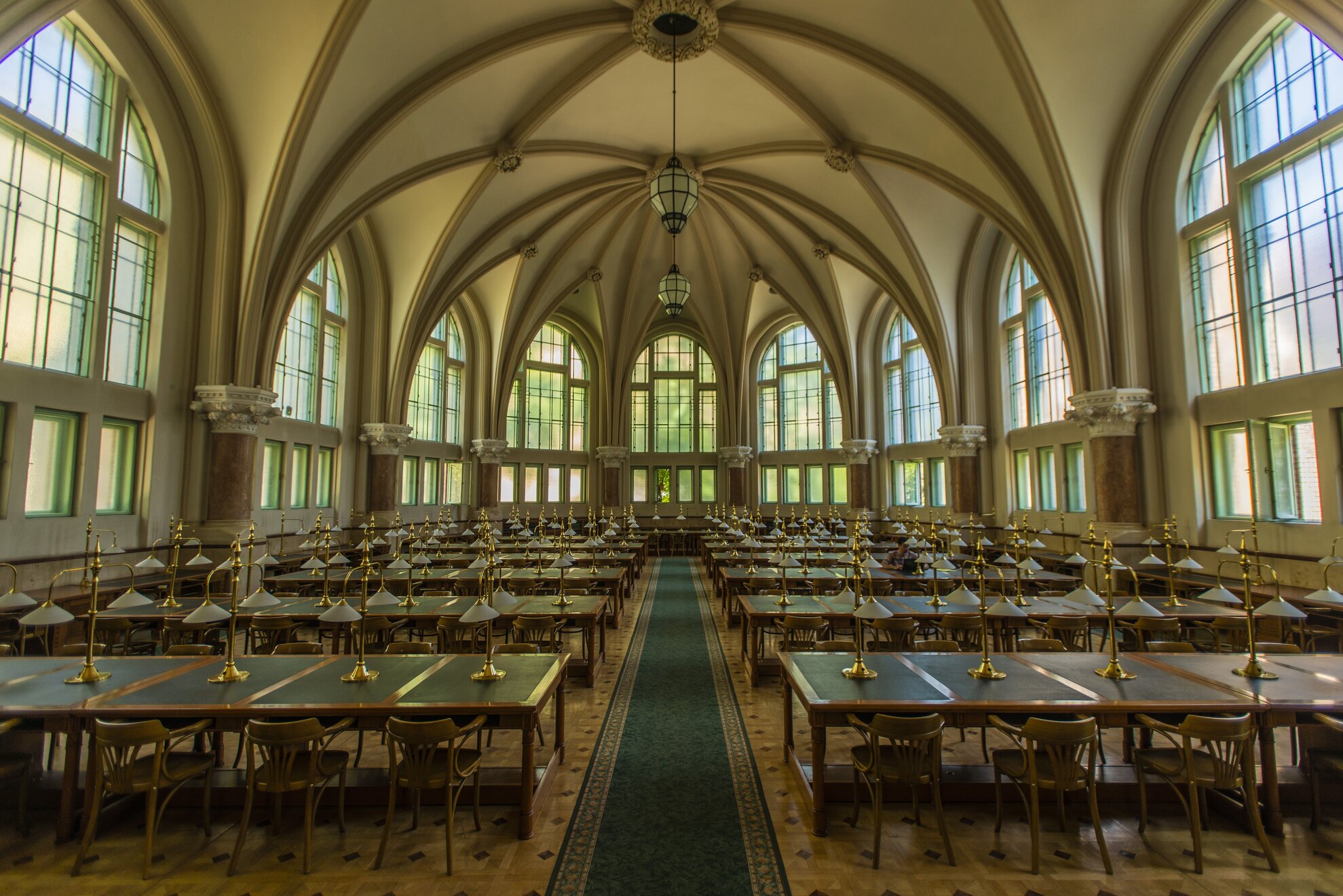
Inside, everything is designed to support modern university operations. From the main entrance, a series of representative spaces unfolds: the foyer, followed by the Aula, which was originally an open ceremonial courtyard. Within its walls, busts of the university's greatest figures still greet visitors today.
The Facade That Speaks
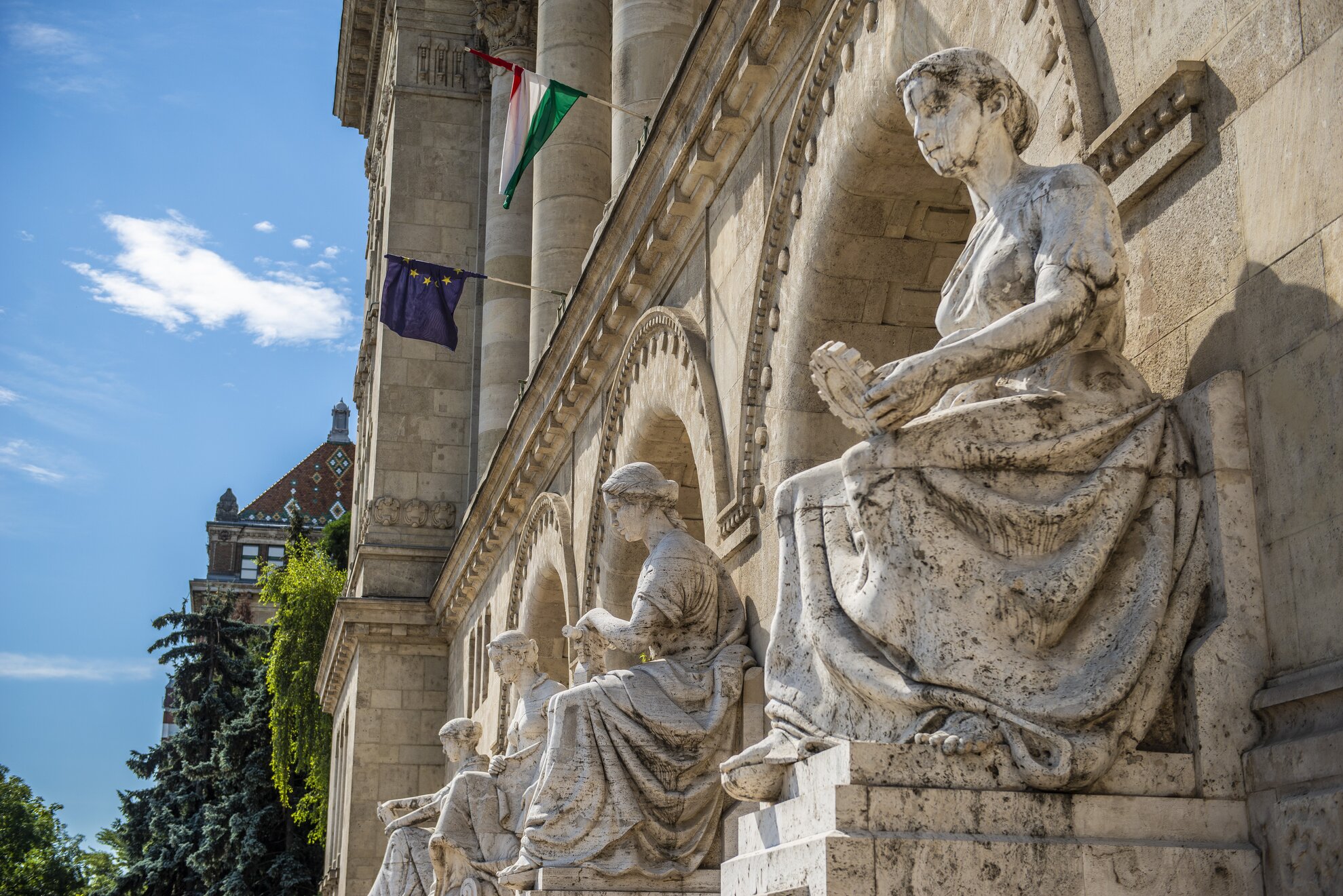
The four monumental female figures standing in front of the main entrance are not merely decorative sculptures. Created by Károly Senyei, they personify the university's four fields of study: engineering, architecture, mechanical engineering, and chemistry.
The statues were destroyed during World War II, but were recarved in 2007 based on period photographs and blueprints, restoring Building K to its original appearance.
The Aula, Where History Was Made
The most significant interior space in Building K is the Aula, which is not only the heart of the university but also an important site in Hungarian history.
On October 22, 1956, students from the University of Technology gathered here to formulate their demands. It was within the walls of the Aula that the 16-Point Program, which became a symbol of the revolution, took its final form, and the next day, a peaceful student march set out from here toward Bem Square, only to become a nationwide struggle for freedom within hours.
The building also sustained severe damage during World War II, and later, another tragedy struck: in 2006, a fire broke out in the former shooting range located in the basement. Three firefighters lost their lives while battling the blaze; a memorial plaque now honors their memory.
Building K Today
Today, it serves the same purpose as it did more than a century ago. Thousands of students attend lectures, take exams, or participate in graduation ceremonies; the Auditorium Maximum remains the university's most important lecture hall, and the Aula serves as the campus's central gathering place.
Building K preserves the architectural legacy of Alajos Hauszmann, the traditions of Hungarian engineering education, and the memory of the 1956 Revolution all at once. Today, students still walk the same halls once traversed by the engineers of the early twentieth century and the students of the 1956 Revolution.
Image source: We Love Budapest, photo by Koncz Márton
Facts
Constructed Stories was created by