MVM Dome
The arena that set the city in motion
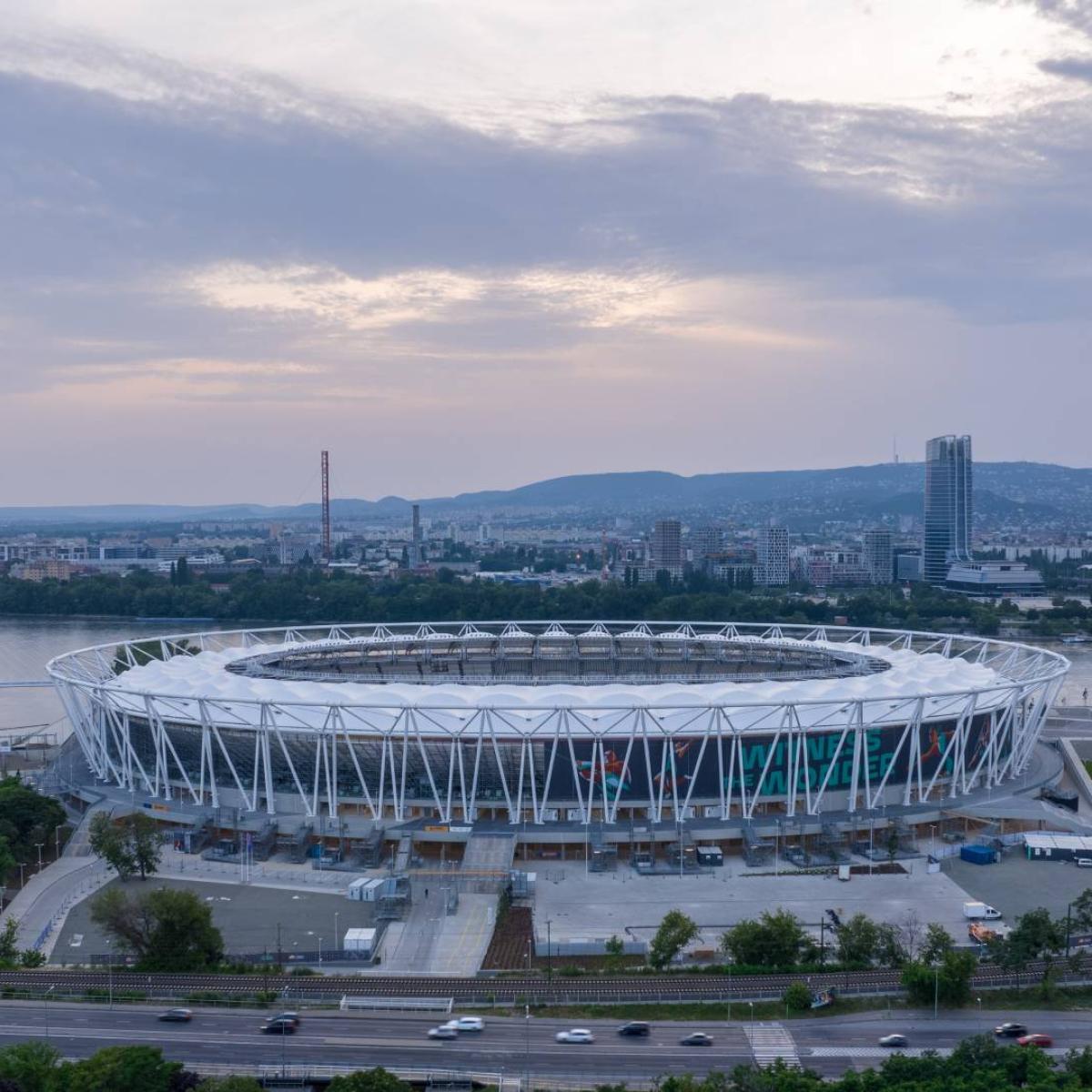
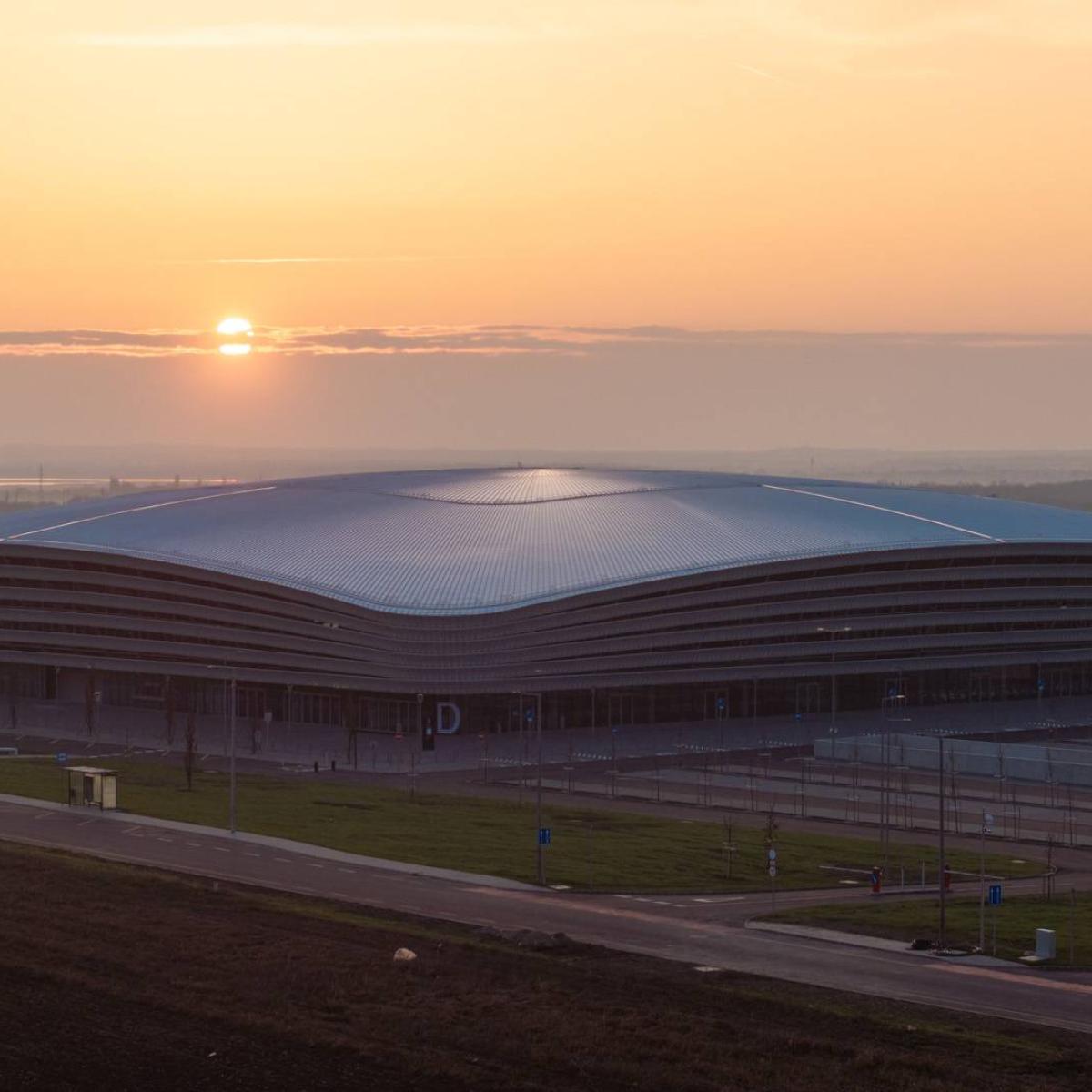
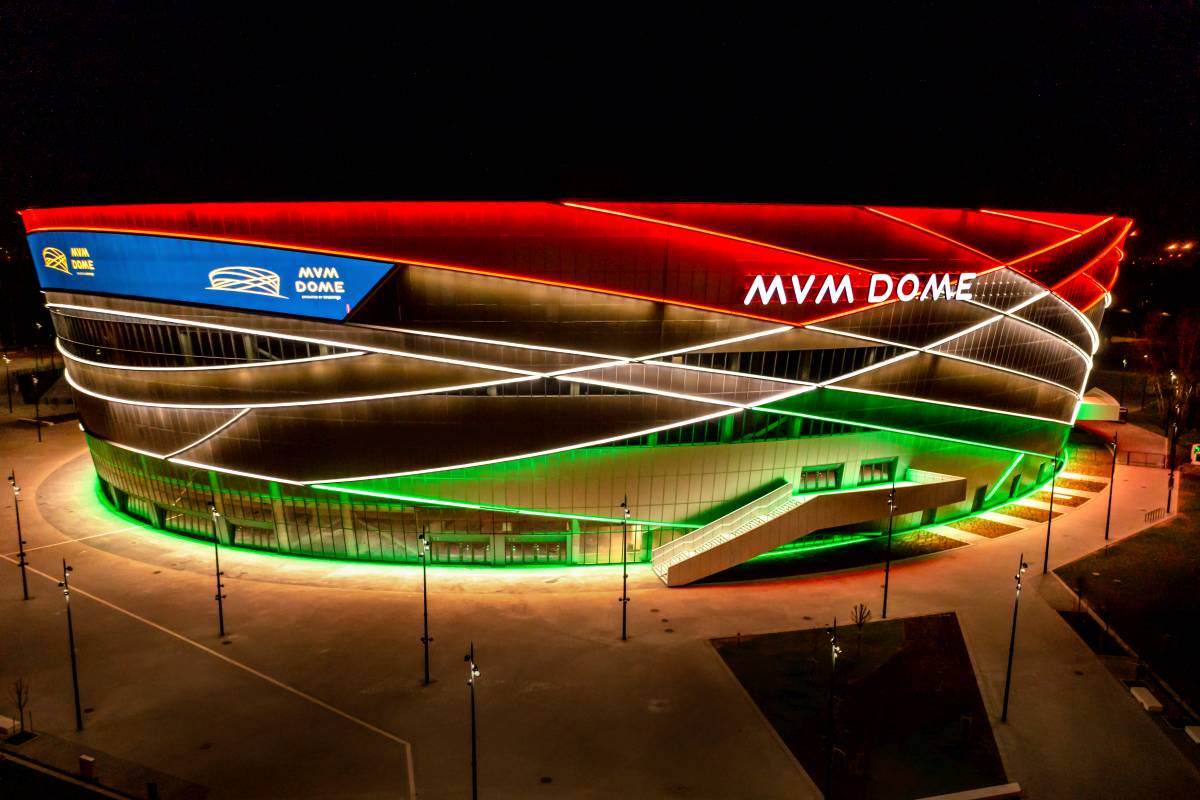
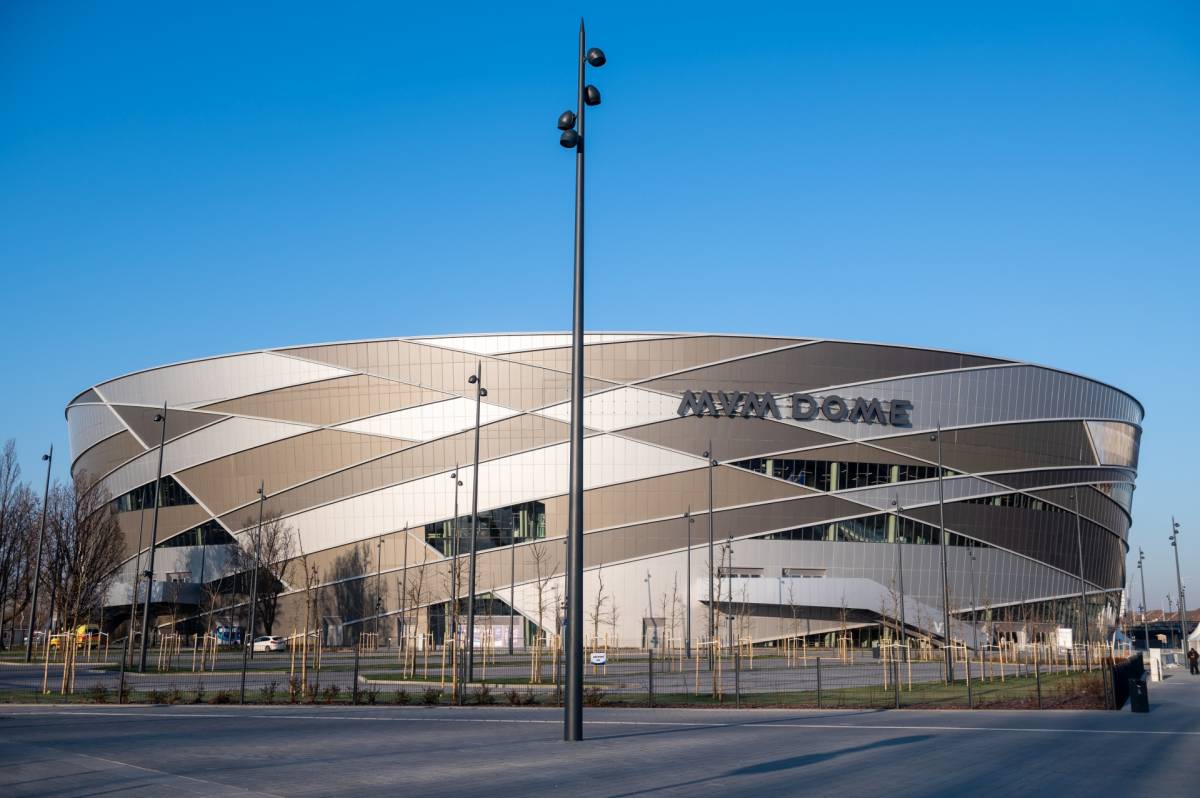
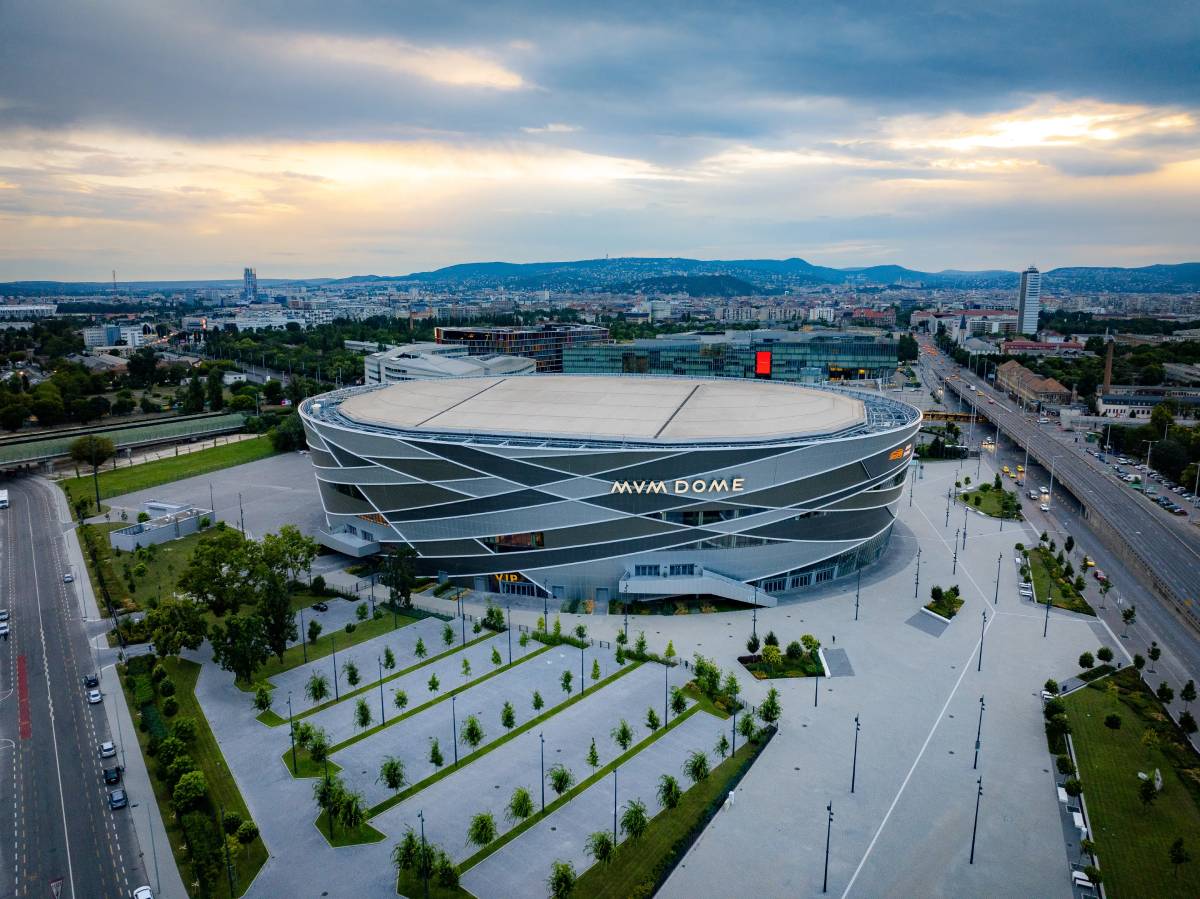
There are some buildings that don’t simply host events-they become events in their own right. MVM Dome in Budapest is one such place. Even from a distance, it rises above the traffic on Üllői út and the greenery of Népliget like a massive, pulsating organism, a gleaming, steel-built urban landmark.
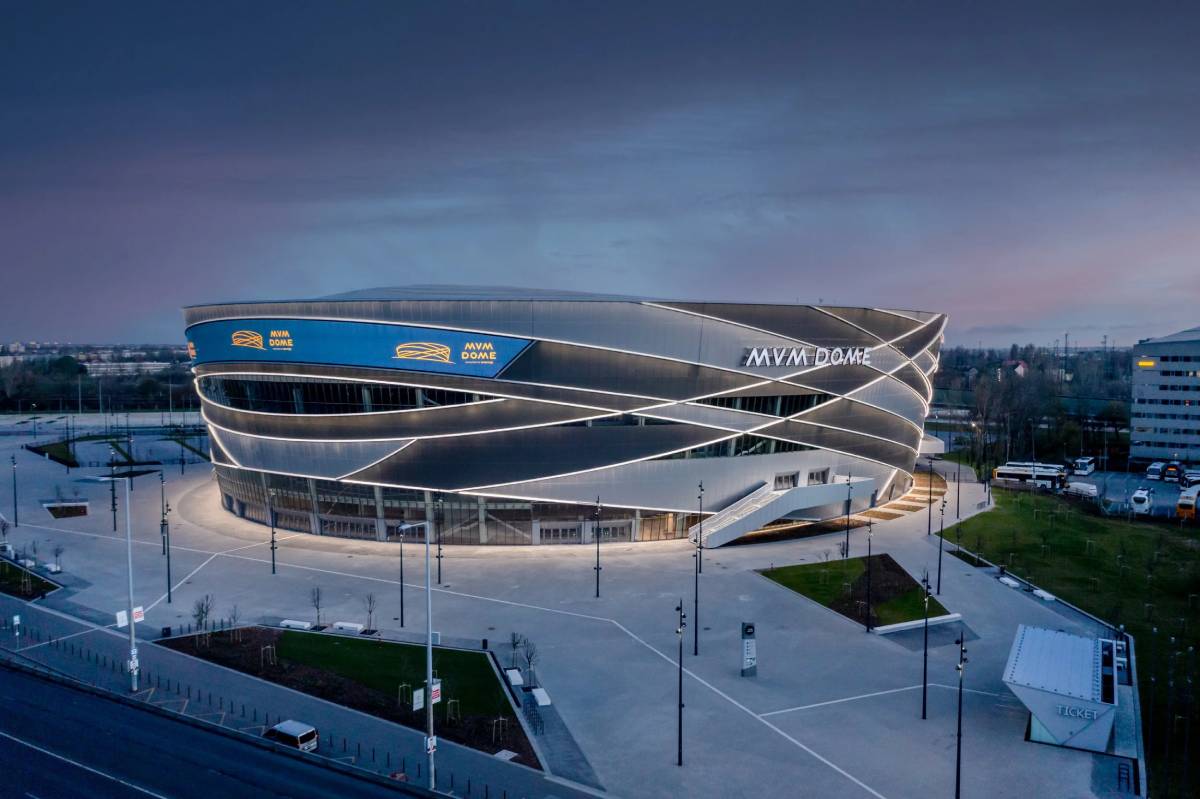
Today, MVM Dome is Hungary’s largest indoor event hall and one of Europe’s largest multifunctional arenas. The 20,000-seat building is simultaneously a sports facility, a concert venue, and a contemporary urban landmark.
Yet it is much more than an engineering feat. It is a space where sporting events, concerts, and community experiences layer upon one another, and where twenty thousand people simultaneously become part of a single shared moment.
The arena inspired by movement
The history of MVM Dome is linked to the 2022 Men’s European Handball Championship. The tournament, co-hosted by Hungary and Slovakia, required a new, world-class venue in Budapest, and that is how the plans for the arena came to be.
More
Construction began in 2019 on a former barracks site adjacent to Népliget. The building was designed by György Skardelli.
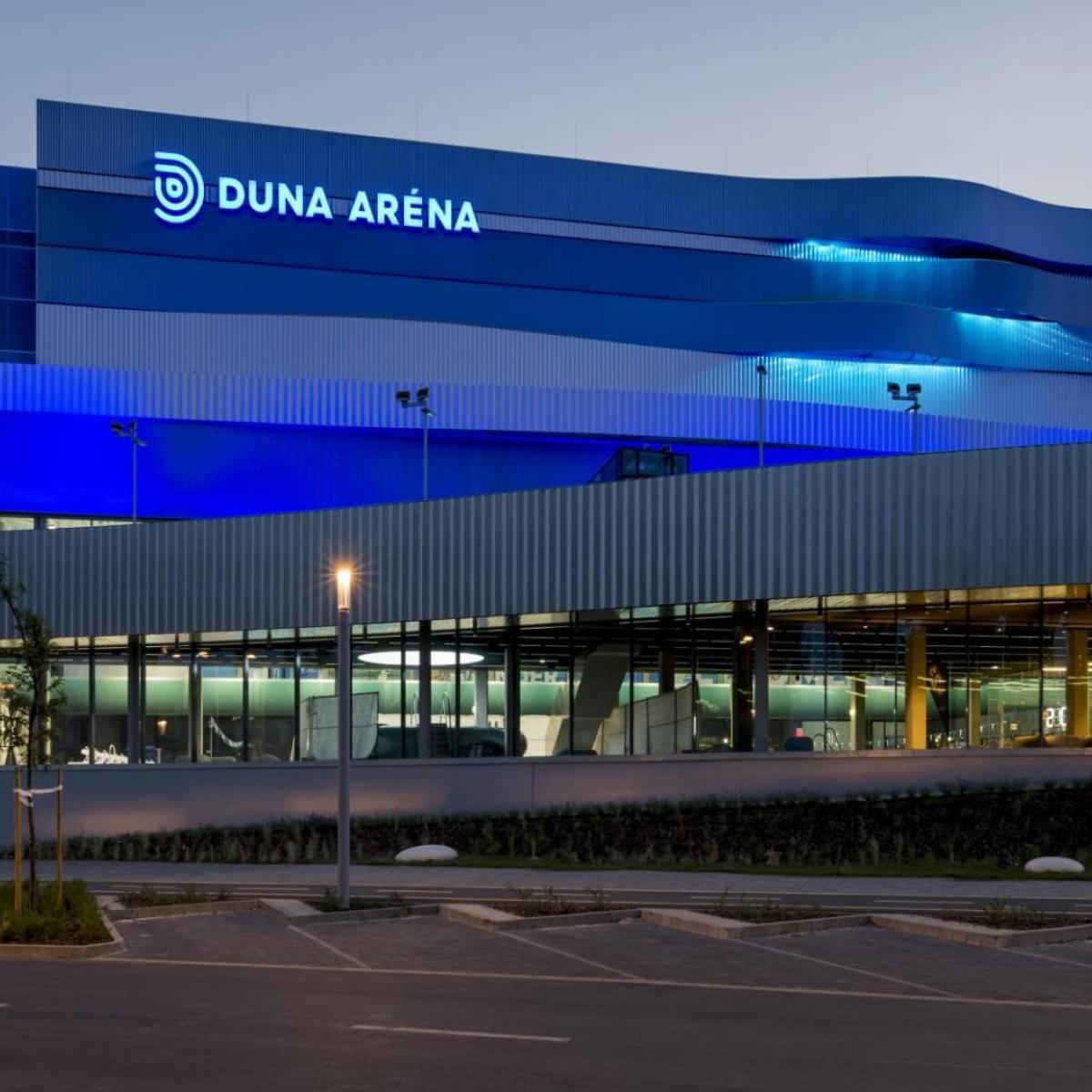
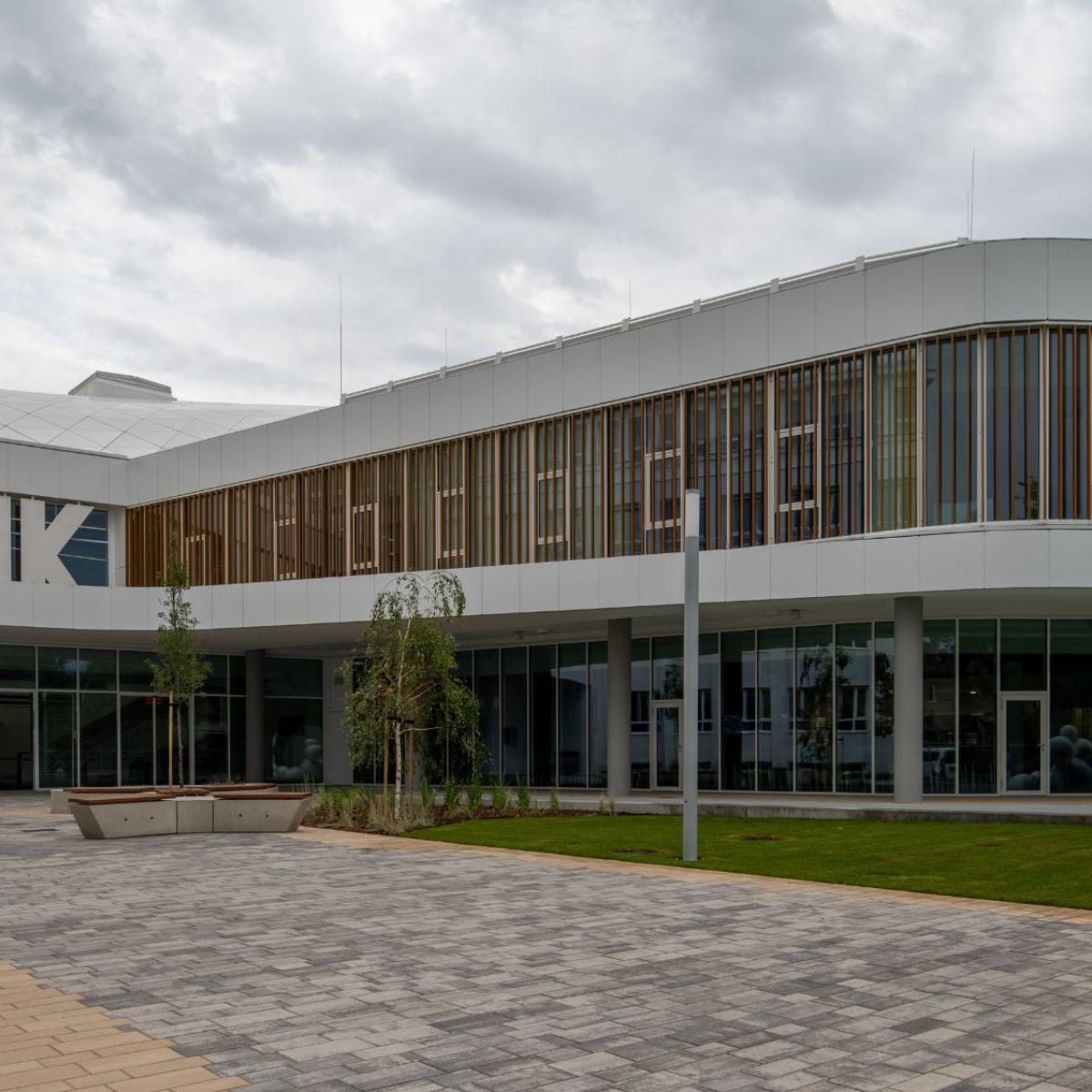
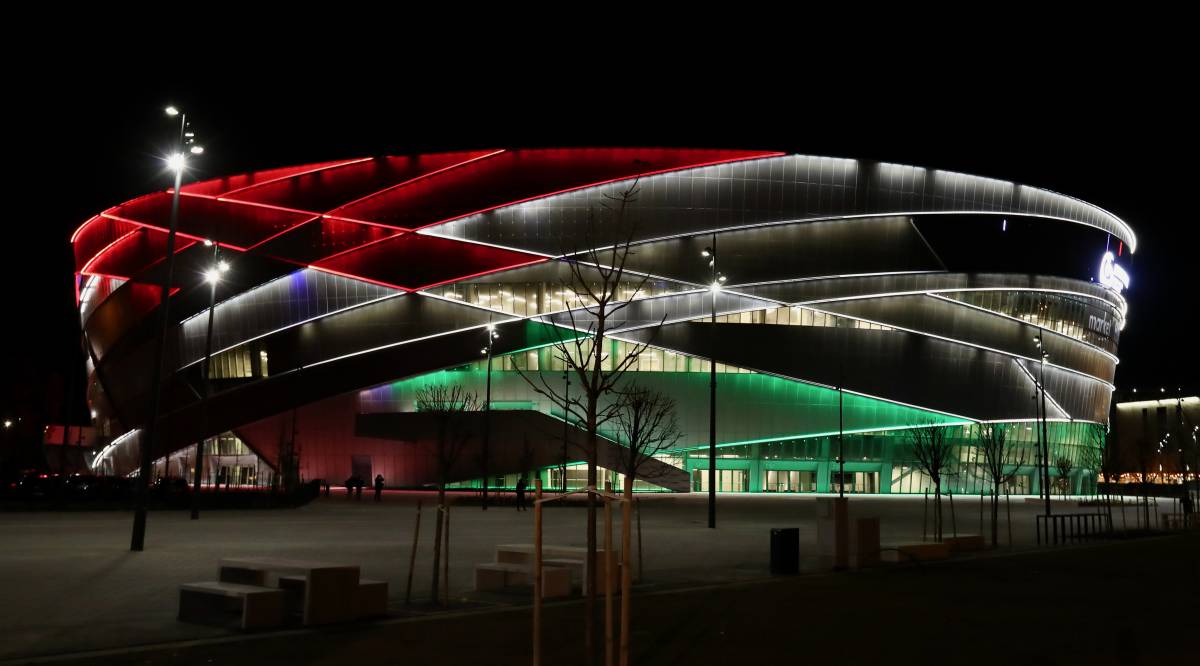
One of the most important elements of the design concept was that the arena should radiate dynamism and energy from the outside as well. The outward-leaning facade elements and the horizontal light strips running around the building evoke the structure of a tensed muscle fiber. The source of inspiration came from Michelangelo’s anatomical sketches, which is a rare and unique reference to art history in the case of a contemporary sports arena.
The building thus does not appear as a static mass, but as a structure that is almost in motion.
4,400 tons of steel and a constantly changing space
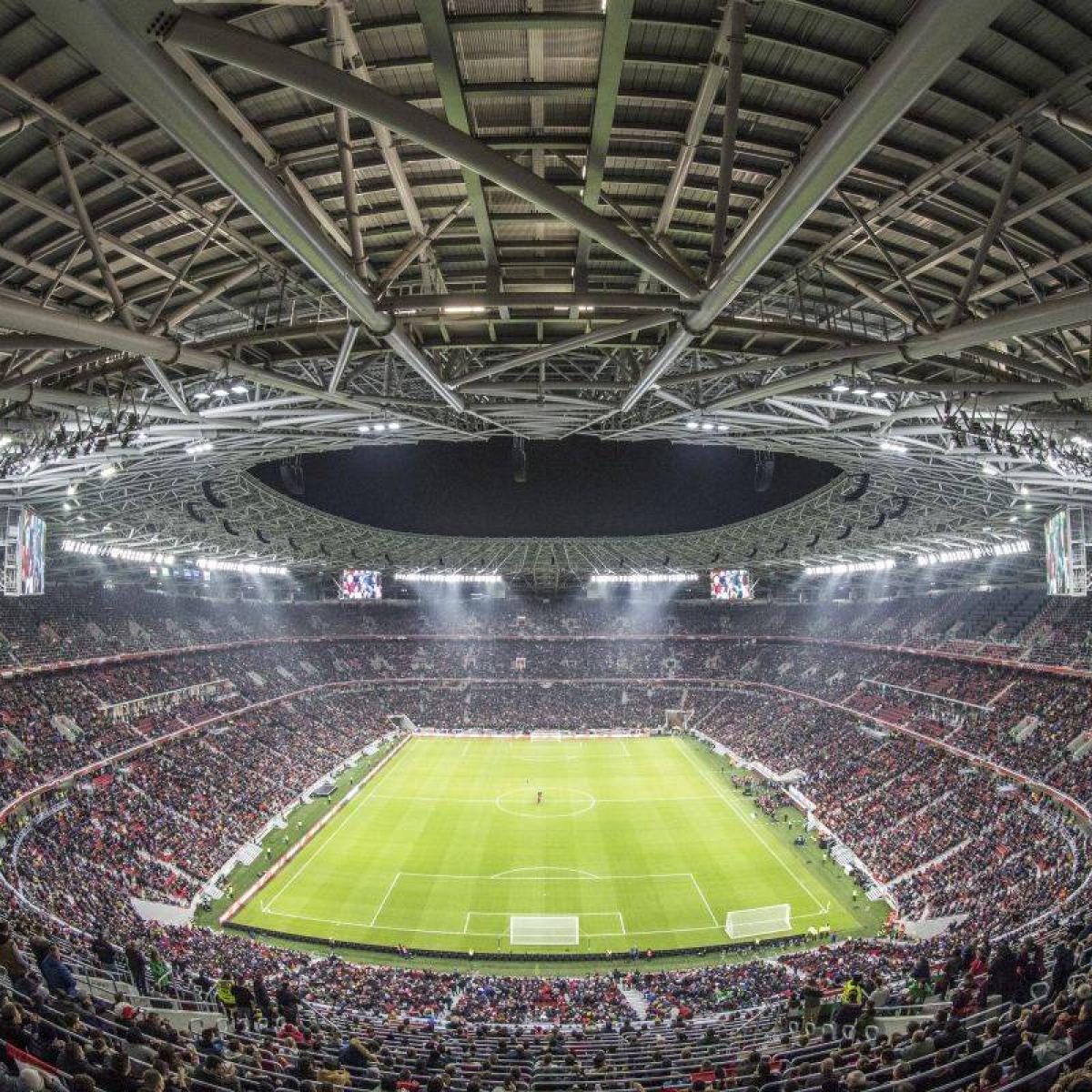
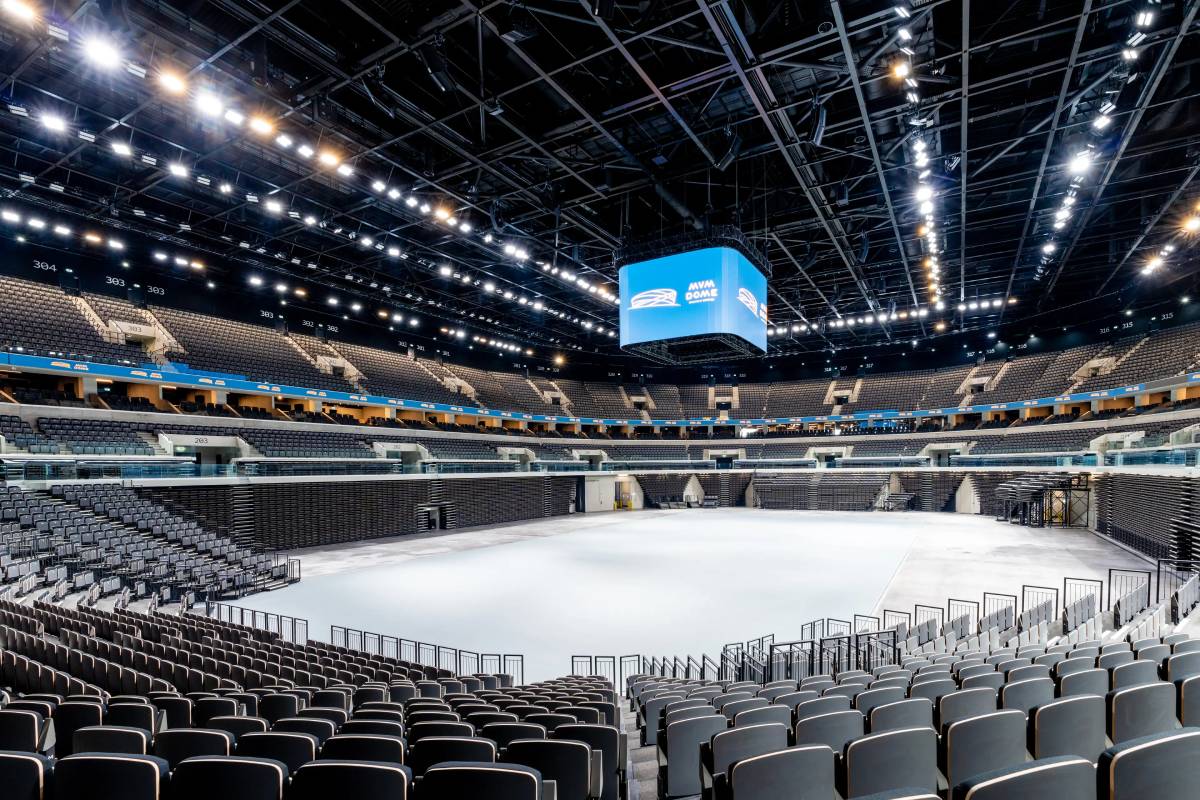
MVM Dome’s long-span hall structure allows the arena’s interior to remain entirely column-free. Approximately 4,400 tons of steel were used in the construction of the nearly 50,000-square-meter building.
From an engineering perspective, the construction was a unique challenge. Due to the massive roof structure, traditional construction logic had to be reversed in several places during construction to ensure that the structural stresses functioned properly.
The nearly 4,500-ton steel roof structure of the arena was designed by bim.GROUP”s engineers, the components were manufactured by KÉSZ Ipari Gyártó Kft., while KÉSZ Metaltech Kft. was responsible for the precise on-site construction. The coordinated engineering and manufacturing collaboration on this project clearly demonstrates the complex professional expertise required to realize an arena of this scale.
The three-level seating system was designed to be quickly reconfigured for sporting events, concerts, conferences, or even motorcycle races. The arena’s spaces can therefore be virtually “reconfigured”: the same venue can host the European Handball Championship final one day, a concert by a world-famous artist the next, or an esports event.
The lighting system also plays a key role in this. The programmable, flicker-free lighting system is capable of creating a completely new atmosphere without any physical reconstruction. The mood of the auditorium is often transformed simply by changing the lights.
Where sports and entertainment meet
In a short time, MVM Dome has become one of Budapest’s most important event venues. The arena has hosted the Men’s and Women’s European Handball Championships, the Champions League Final Four, darts tournaments, a Superenduro World Championship race, and large-scale corporate events.
In addition to sports, the music industry has also quickly taken the arena by storm. In recent years, global stars such as Roger Waters, Depeche Mode, Bryan Adams, Tom Jones, Andrea Bocelli, and Sting have performed here.
The modern face of Budapest
From an urban planning perspective, MVM Dome is now one of the capital’s most prominent contemporary landmarks. Approaching from the airport access road and the Üllői út axis, the arena appears almost like a gateway to Budapest. Thanks to its programmable facade lighting, monumental scale, and iconic form, the building has a striking visual presence both day and night.
The international professional community has also taken notice: MVM Dome was named the world champion project in the sports facility category of MAPEI’s reference building competition.
Source of images: KÉSZ Group, MVM Dome official website.
Facts


Constructed Stories was created by