Jedlik Ányos Gymnasium
A school the people of Csepel wanted
In the summer of 1945, Hungary had barely begun to recover from the war, but in Csepel, people were already planning for the future. Local parents wanted their children to be able to attend secondary school without having to travel to another district, so they initiated the establishment of a local grammar school.
The three political parties active in Csepel at the time all supported the cause, while the Benedictine Order of Pannonhalma was asked to organise and manage the school.
The initiative was followed by unusually swift action: in just one month, Csepel’s first secondary school was established. It also became Hungary’s first tuition-free, coeducational, state-supported church school.
In this way, the young institution forged a unique link between past and future: one of the final new branches of Pannonhalma’s thousand-year-old educational tradition took root in a rapidly developing industrial district of Budapest.
Read more
The birth of a modern school
In 1948, nationalisation brought the Benedictine chapter of the school’s history to an end. However, the high-quality yet close-knit educational culture they had established continued to shape the institution.
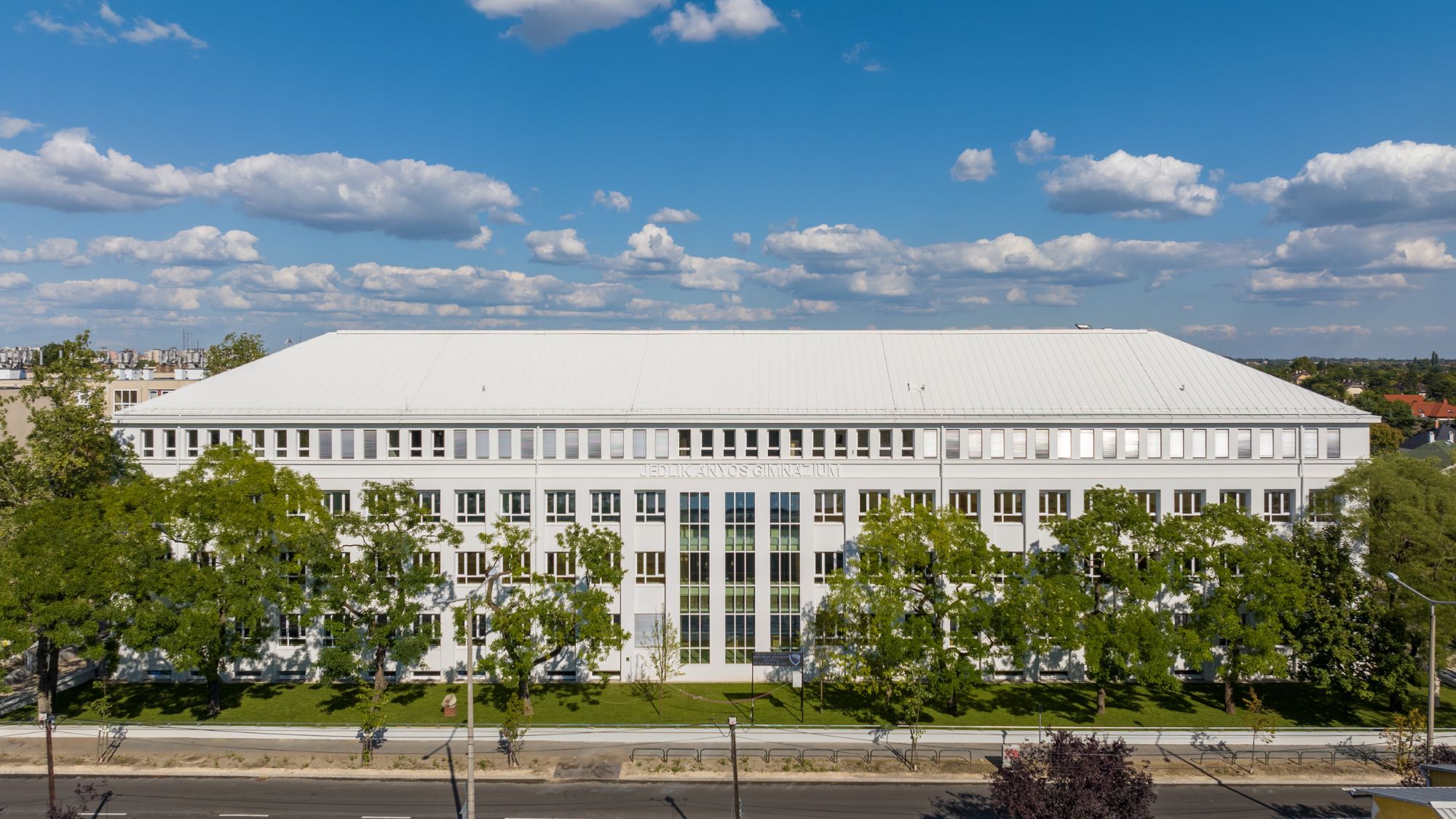
A few years later, another milestone followed. In 1952, the building of Jedlik Ányos Grammar School that is still familiar today was inaugurated. At the time, it was considered one of the most modern school buildings in Central Europe.
Education also gained fresh momentum within the new walls. Jedlik became a teacher-training school affiliated with Eötvös Loránd University, and a community of educators gradually emerged that would shape the school’s character and reputation for decades.
As Csepel and the world around it changed, Jedlik continued to adapt. First, specialised language programmes were introduced, followed by science programmes. Later came information technology and an eight-year grammar school programme.
The school thus became not only a witness to Csepel’s transformation, but an active participant in it.
A new chapter after seventy years
A school building, however, also learns from the passage of time. The spaces considered state-of-the-art in 1952 had to serve entirely different educational, technological and community needs several decades later.
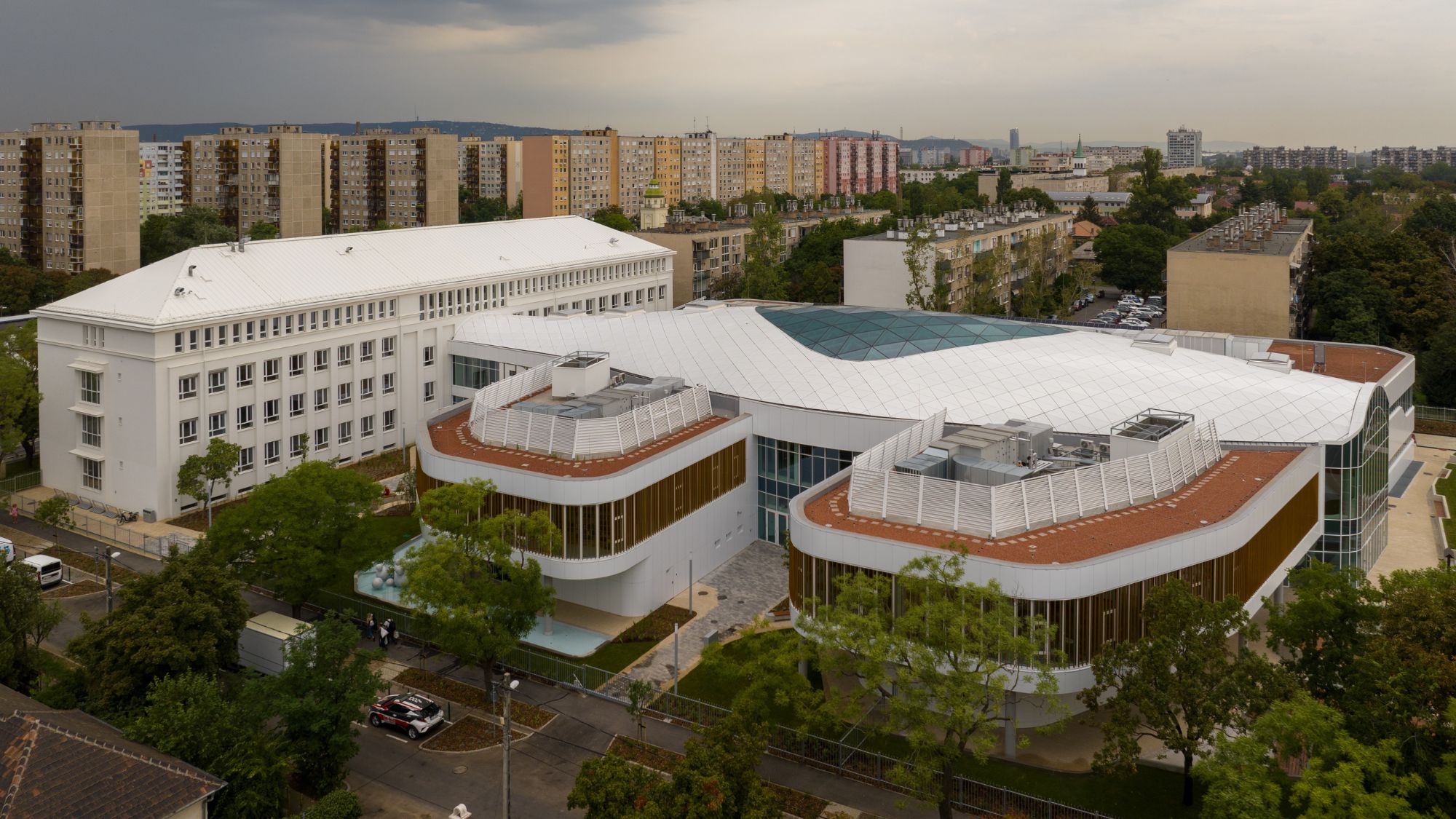
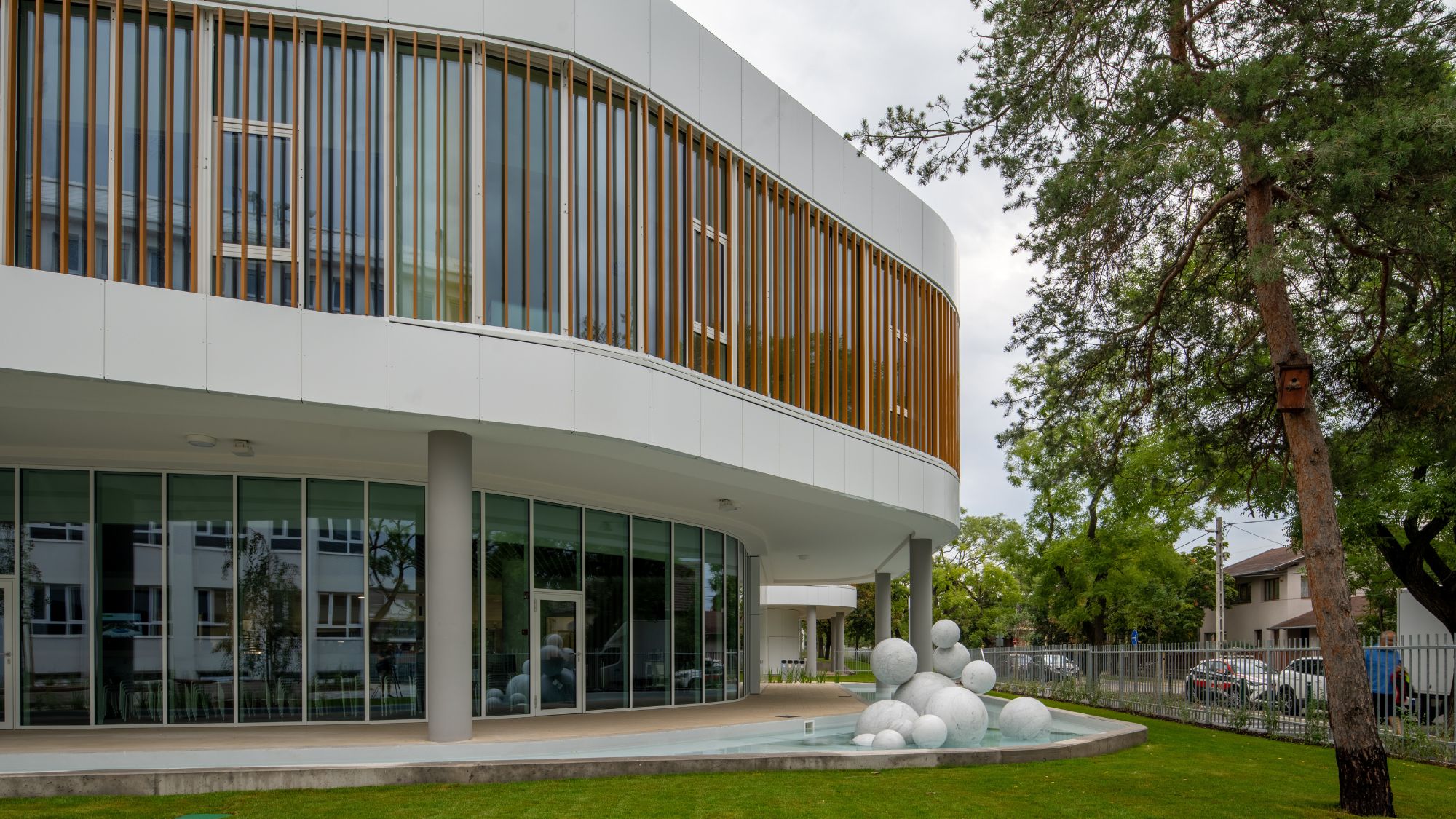
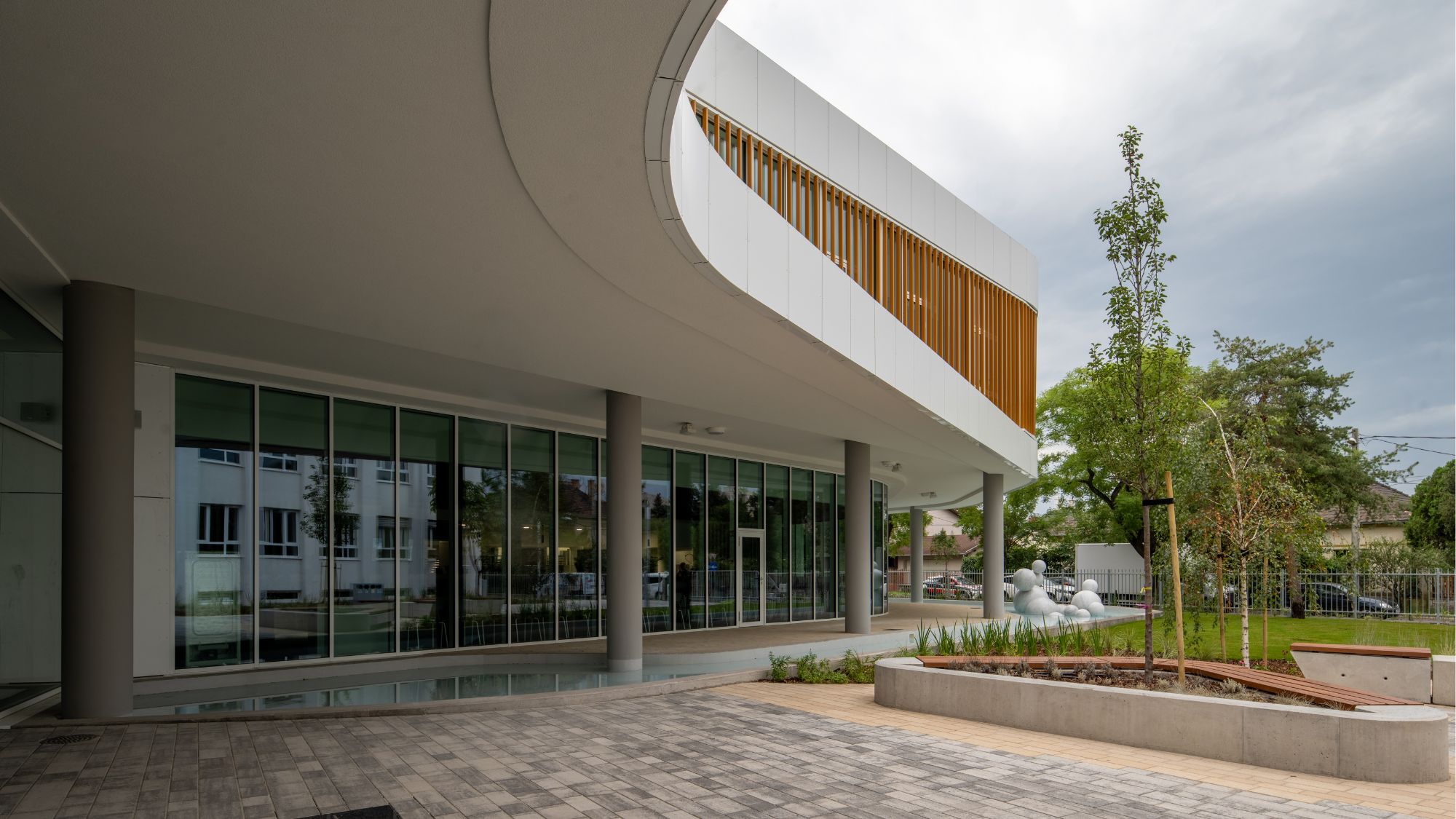
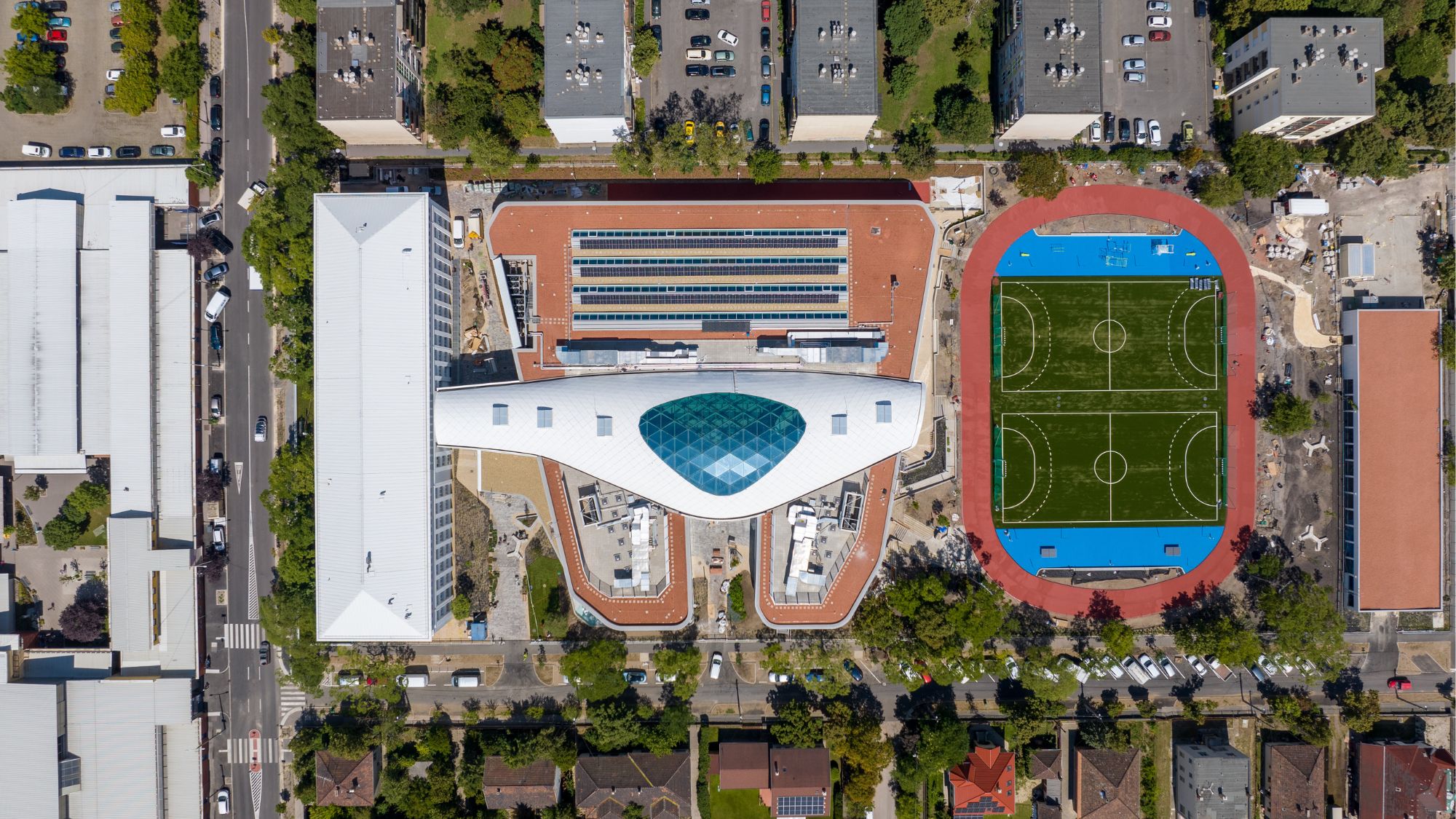
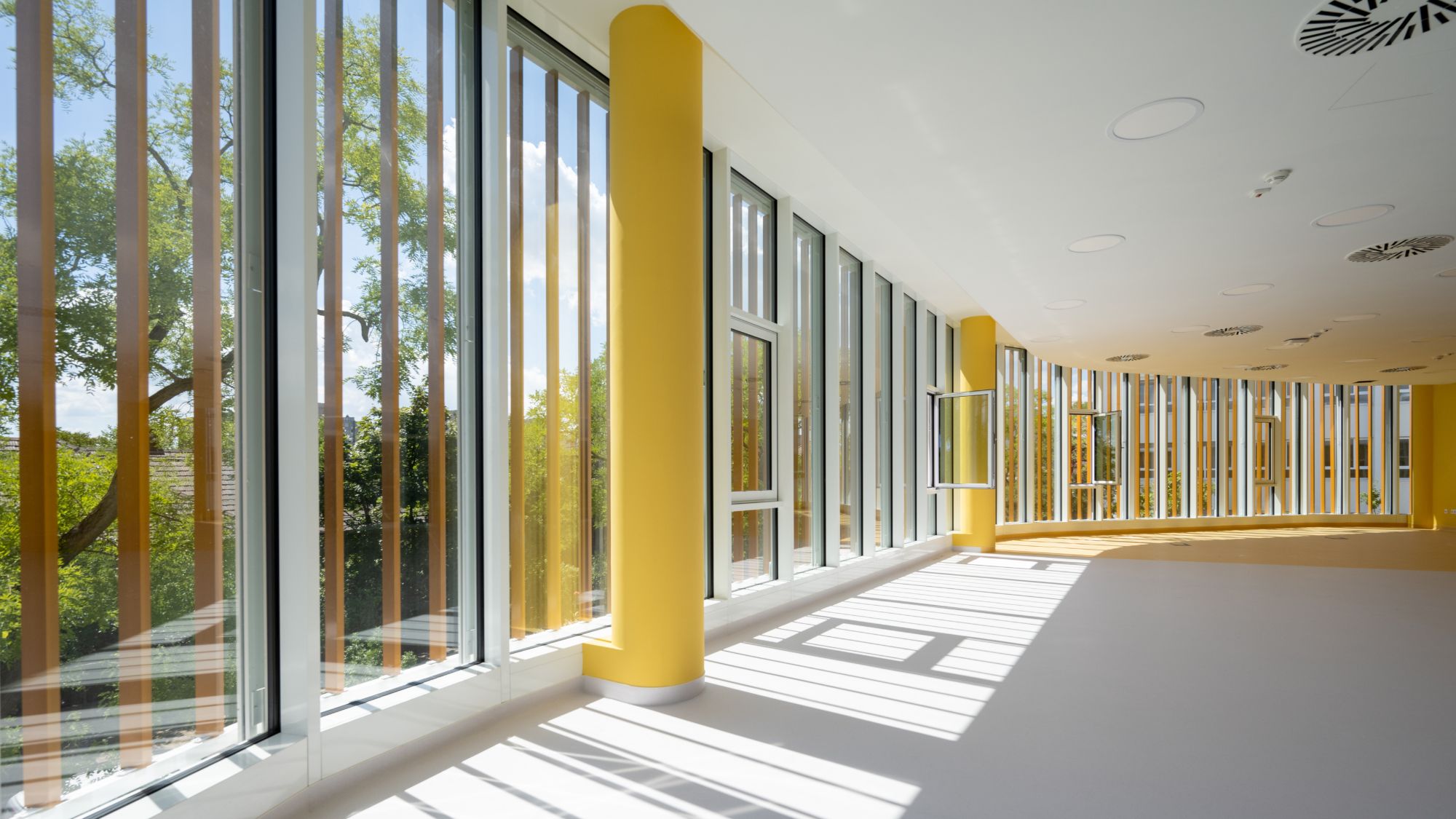
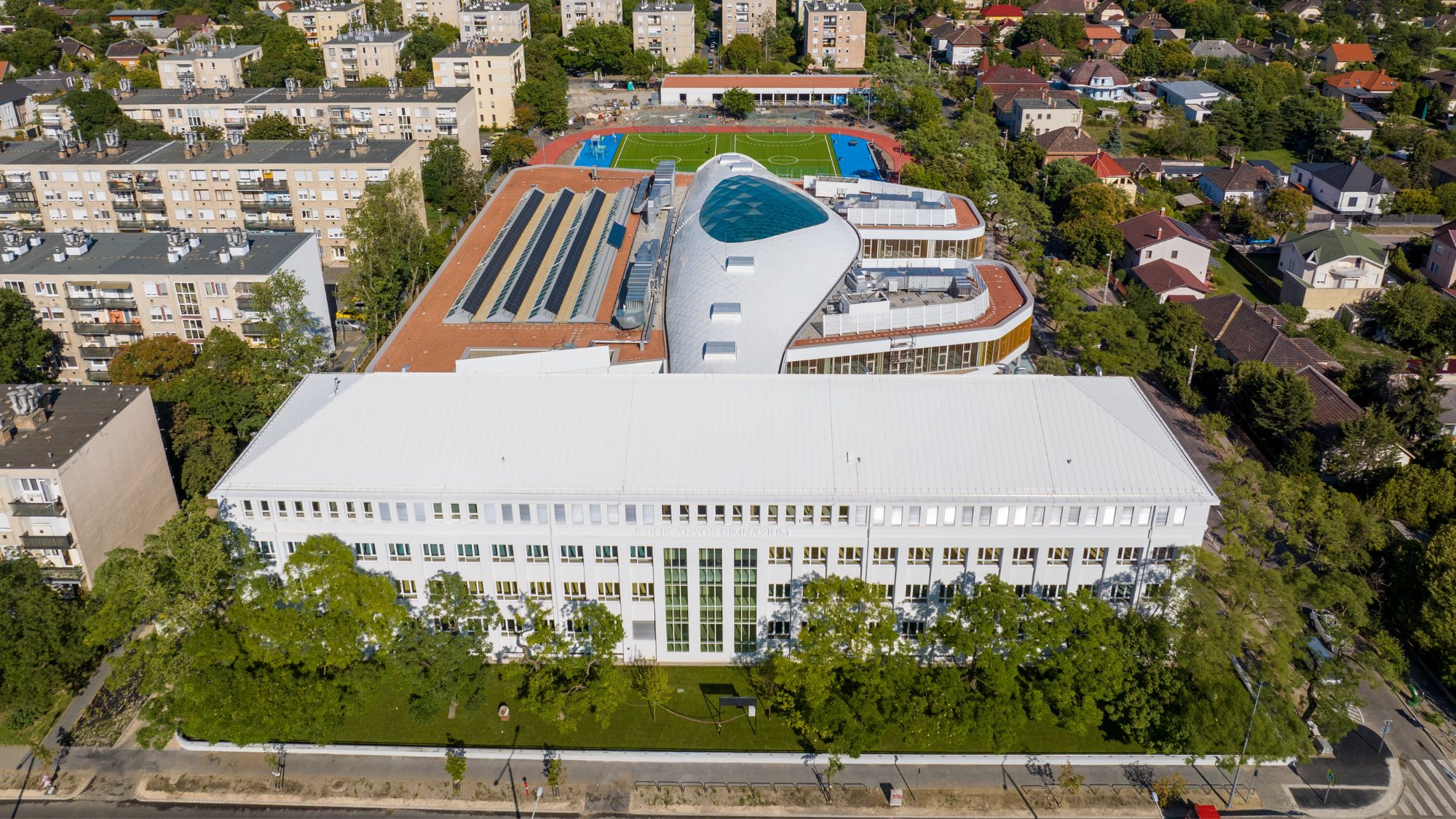
A major reconstruction project therefore began in 2019. During the four-year development, worth more than HUF 22 billion, the old school building was completely renovated and expanded by approximately 6,500 square metres.
The aim was not simply to refurbish an old building. It was to create a school that would preserve Jedlik’s heritage while preparing for the educational needs of future generations.
Where the atrium becomes the heart of the school
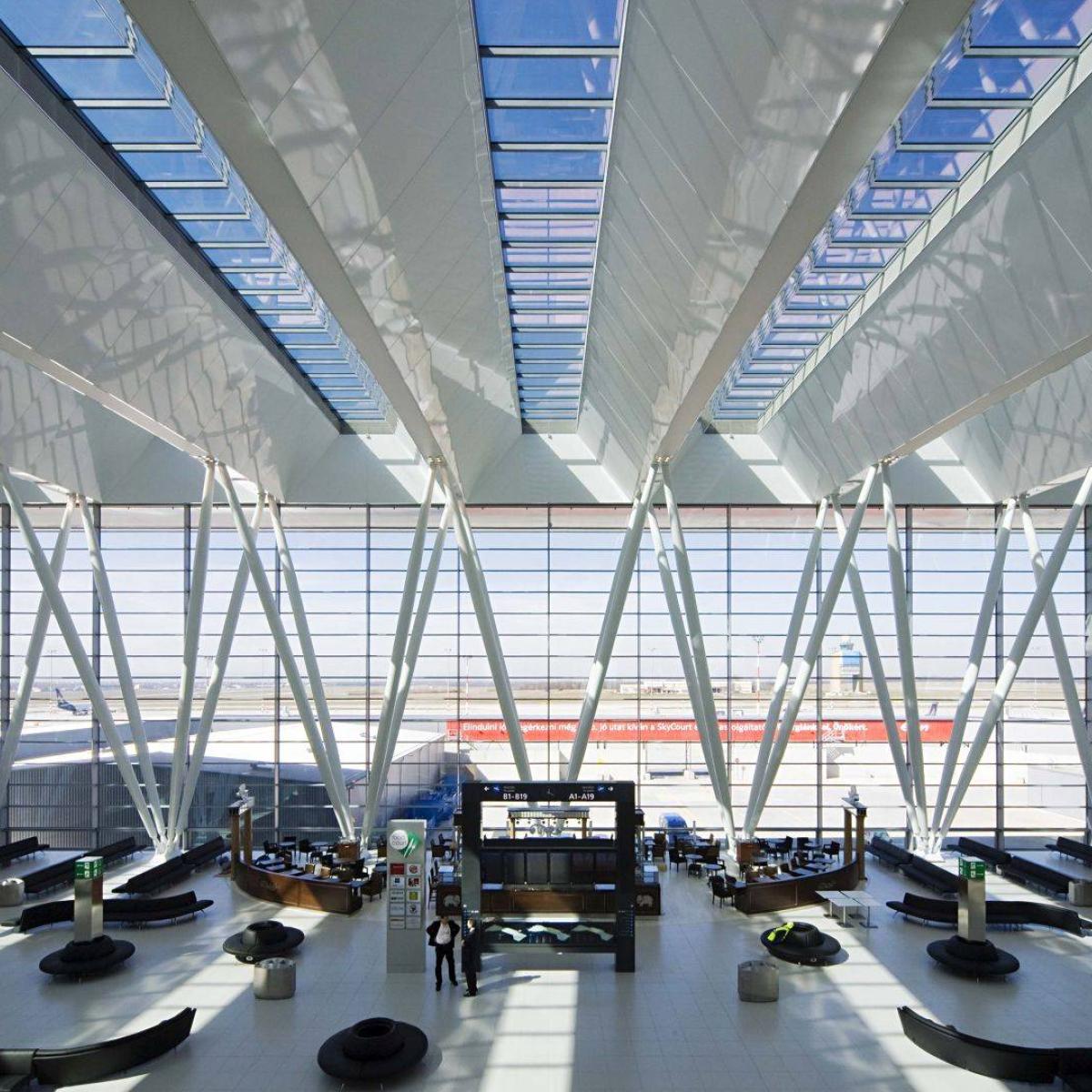
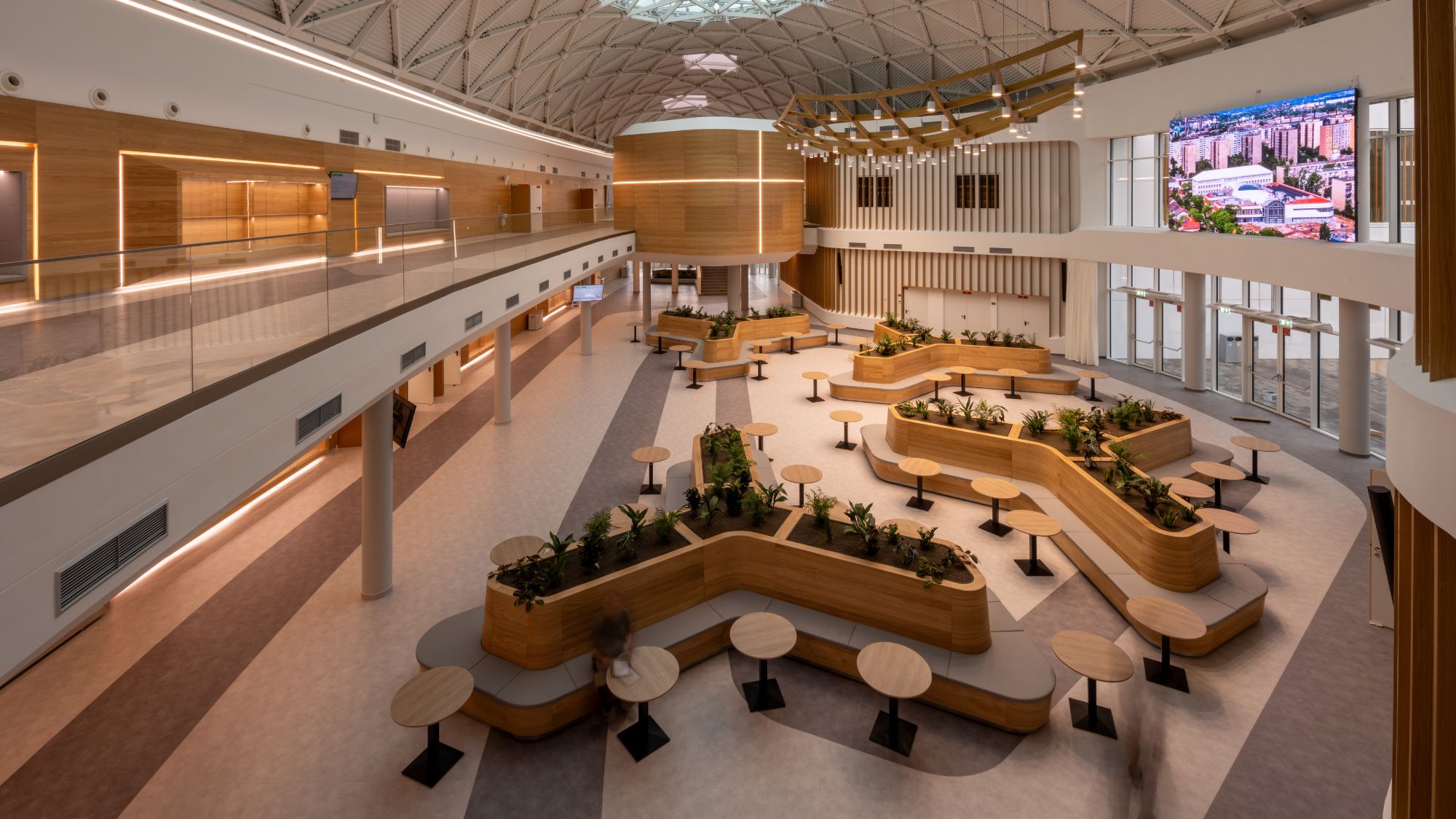
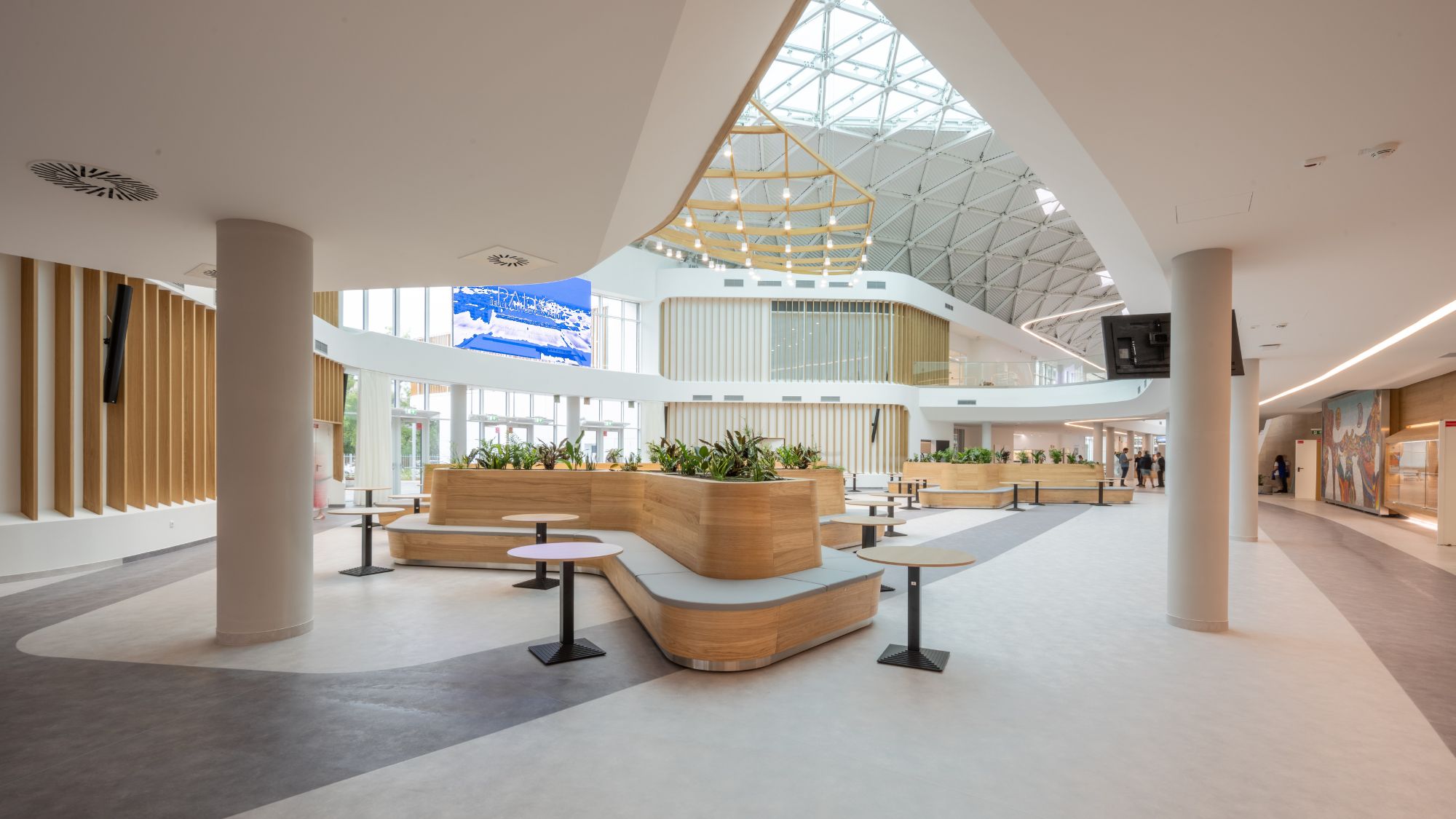
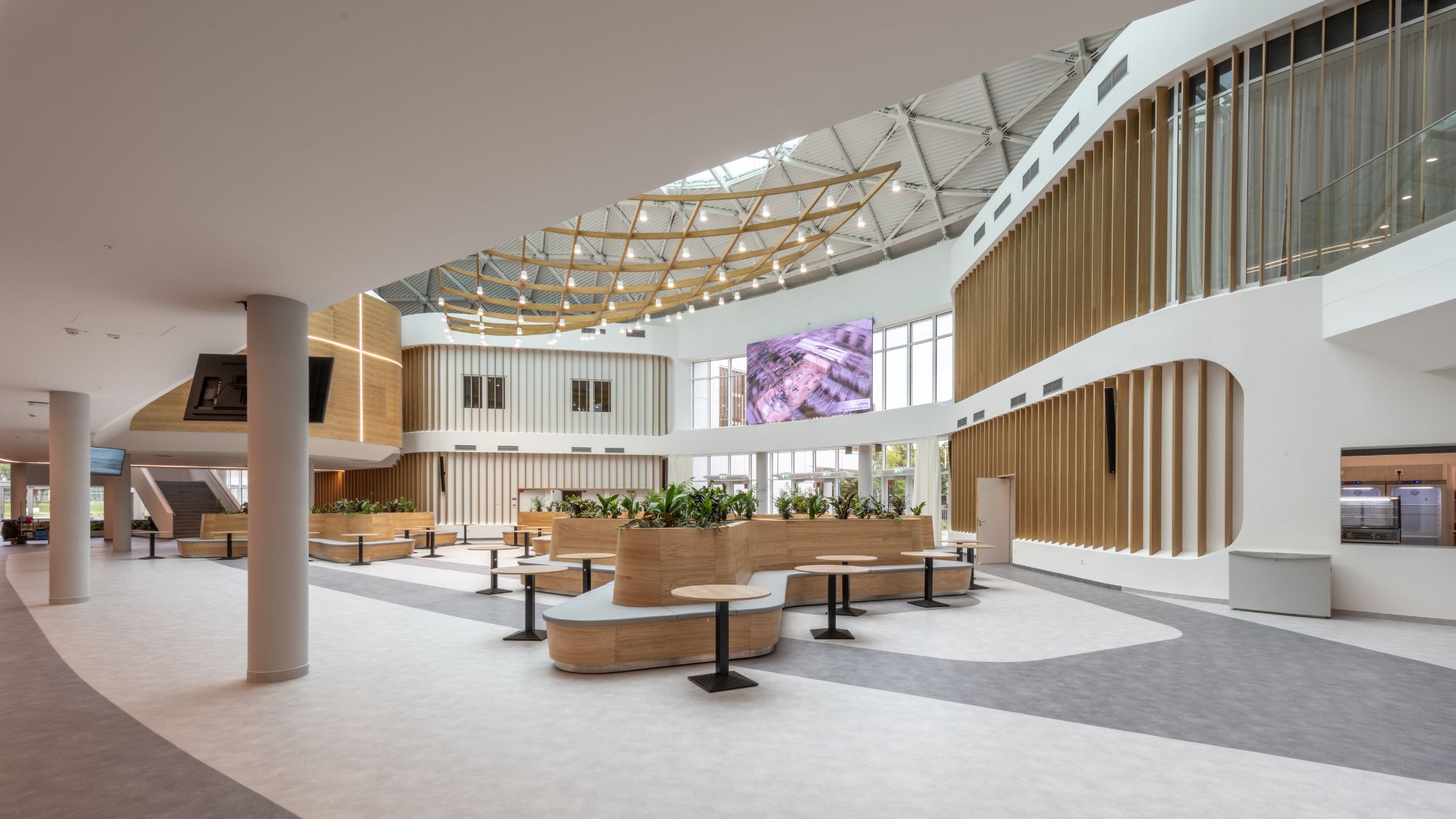
A new wing was constructed on the site of the former gymnasium. At its centre is an atrium capable of accommodating up to 1,000 people, designed not merely as a circulation space but as the school’s true community hub.
Modern IT and language classrooms, a library and a theatre are arranged around it, while the new sports hall provides approximately 1,500 square metres of space for students.
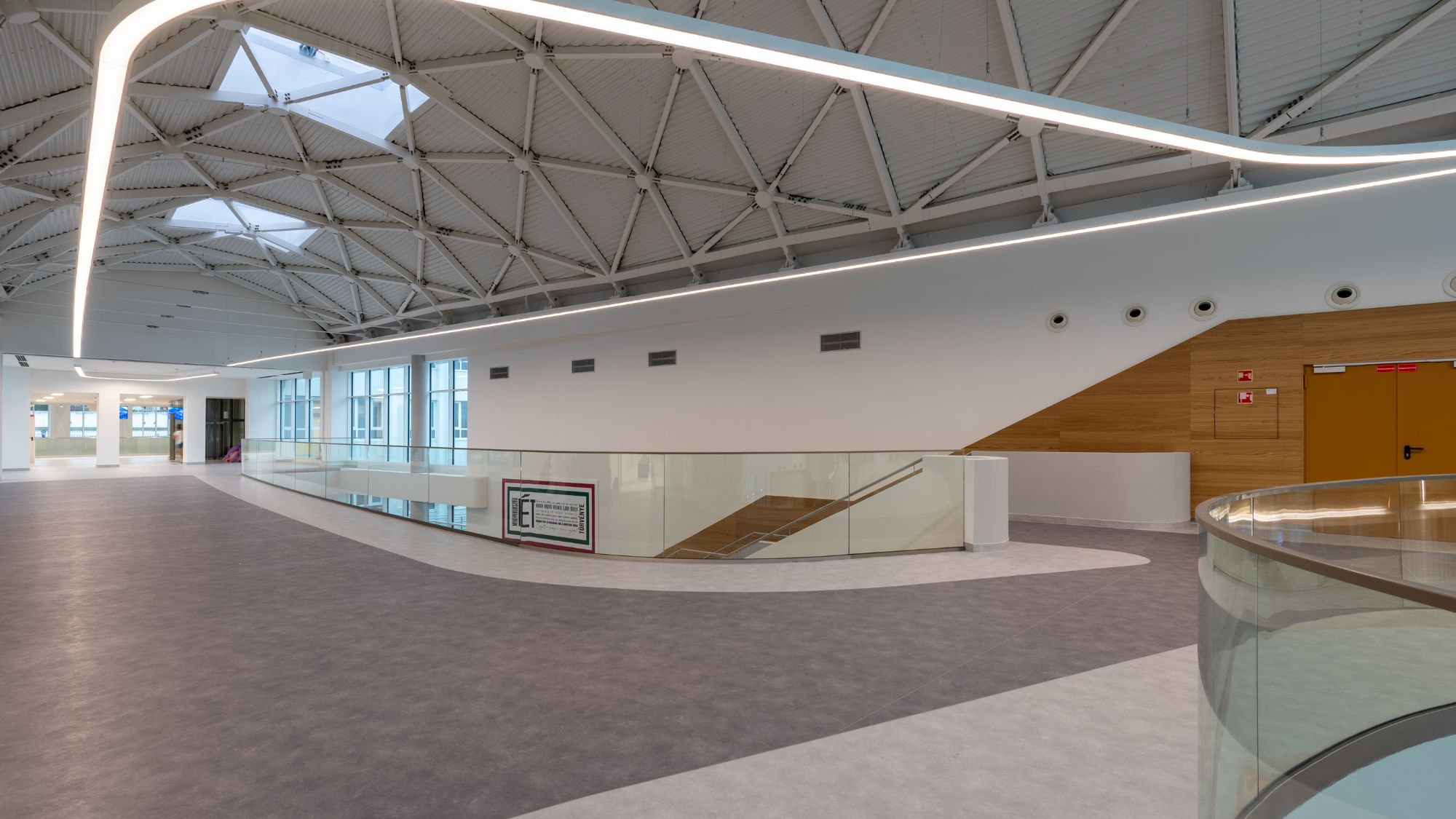
This vast atrium also presented one of the most fascinating engineering challenges of the entire renovation.
A roof that brings together the expertise of five disciplines
KÉSZ Group’s strategic partner, bim.GROUP, contributed significant design expertise to the renewal of Jedlik.
Following the concept design phase, the team prepared the permit, construction and fabrication drawings through the coordinated work of five principal disciplines: architecture, reinforced-concrete and steel structures, the building envelope, electrical engineering and mechanical engineering.
One of the project’s greatest structural challenges was spanning the atrium’s expansive interior. With a structure of this scale, what appears on paper is only the beginning: experience, digital design expertise, the right software and close cooperation between several engineering disciplines are all essential to turn an idea into a buildable structure.
In this sense, Jedlik itself became an example of what has been taught within its walls for decades: knowledge becomes truly valuable when it is capable of creating something new.
When engineering excellence earns professional recognition
The renewed grammar school opened a new chapter not only for its students and teachers. Within a short period, the project also received several prestigious professional awards in Hungary and internationally.
Jedlik Ányos Grammar School project won the international Public Choice Award at the Construsoft Tekla BIM Awards and later received a BIG SEE Award.
In 2024, another accolade was added to the school’s imaginary trophy cabinet: the complex received the Construction Industry Award of Excellence in the public building/education category, with a commemorative plaque later installed on the building itself.
More than eight decades, one enduring purpose
The story of Jedlik has come full circle in a remarkable way.
It was founded in 1945 because a community believed that the young people of Csepel should have access to education close to home. In 1952, it was given a building that offered one of the most modern educational environments of its time. Seventy years later, that same building began a new chapter, once again placing modern knowledge, technology and community at its heart.
Generations have followed one another, subjects and technologies have changed, and Csepel itself has been transformed. Yet Jedlik’s role has remained the same: to provide a place for knowledge, human connections and opportunities for future generations.
And perhaps that is precisely what makes a school building far more than just a collection of walls.
Source of images: KÉSZ Group, bim.GROUP
Facts

Constructed Stories was created by