Puskás Arena
The stadium where the memories of generations come together
There was a time when nearly 100,000 people sang the national anthem here at once. These same walls witnessed the Golden Team’s legendary victory, Freddie Mercury’s concert, and Pope John Paul II’s Mass.
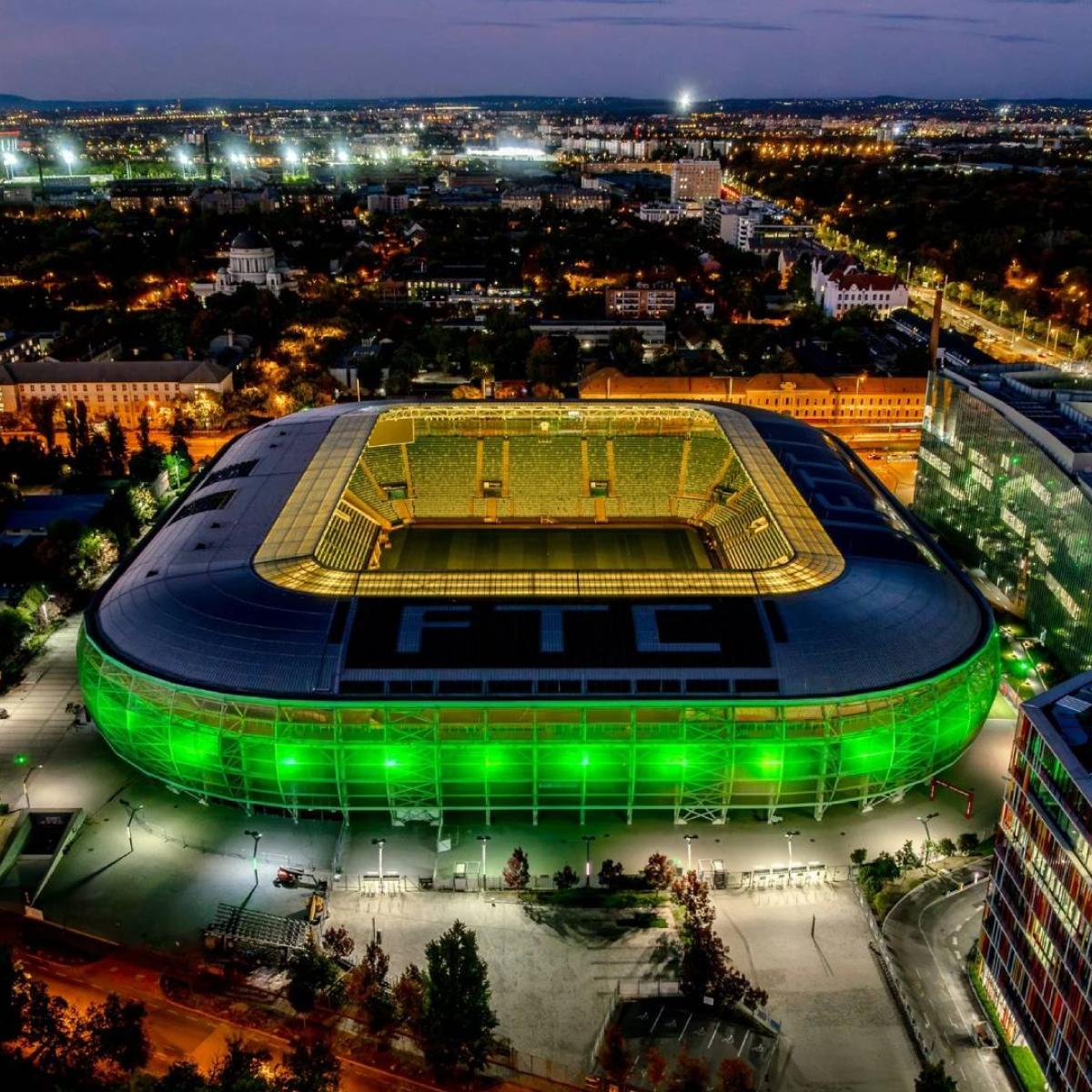
Puskás Arena is more than just a stadium. It is one of Hungary’s most powerful shared memories - cast in concrete, steel, and stories.
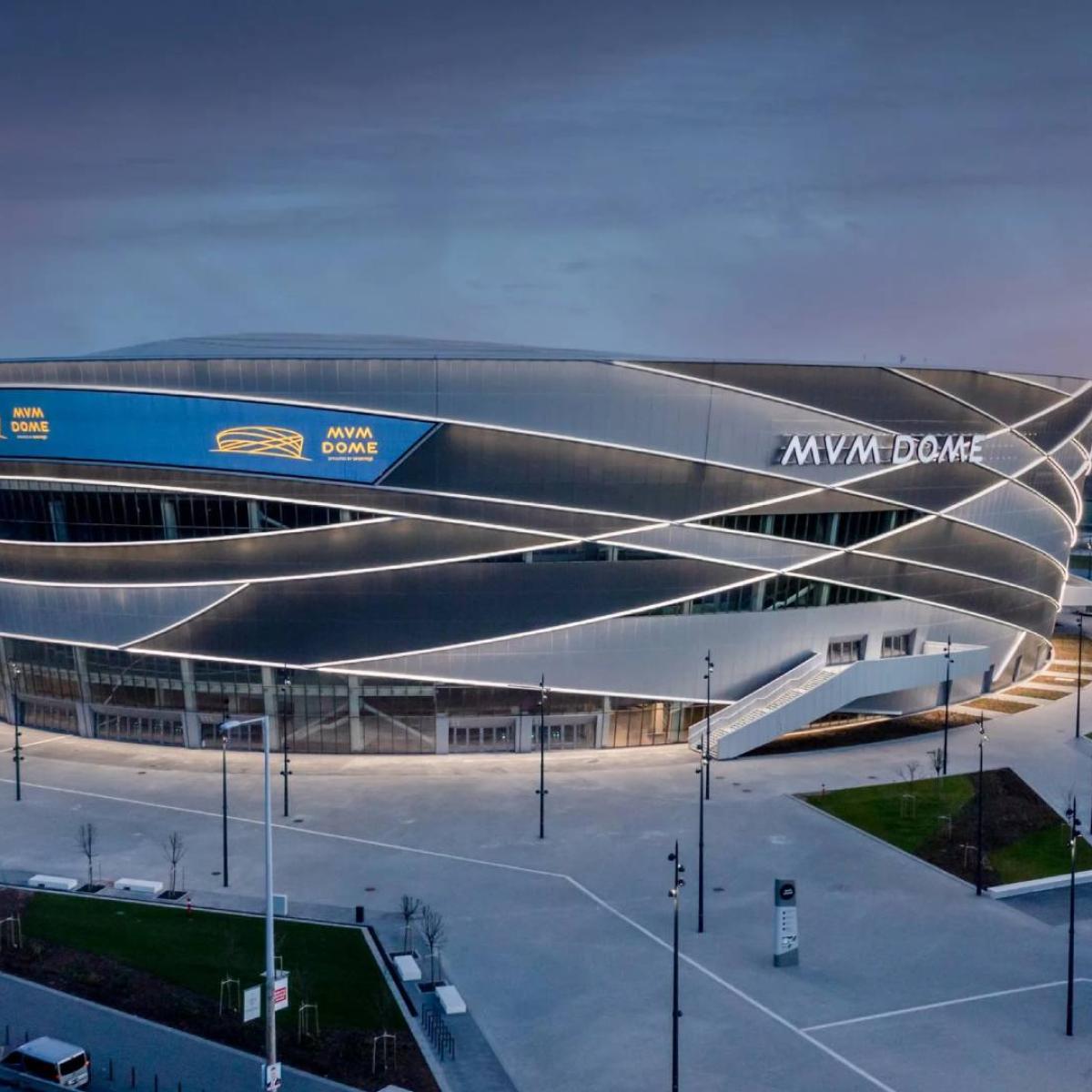
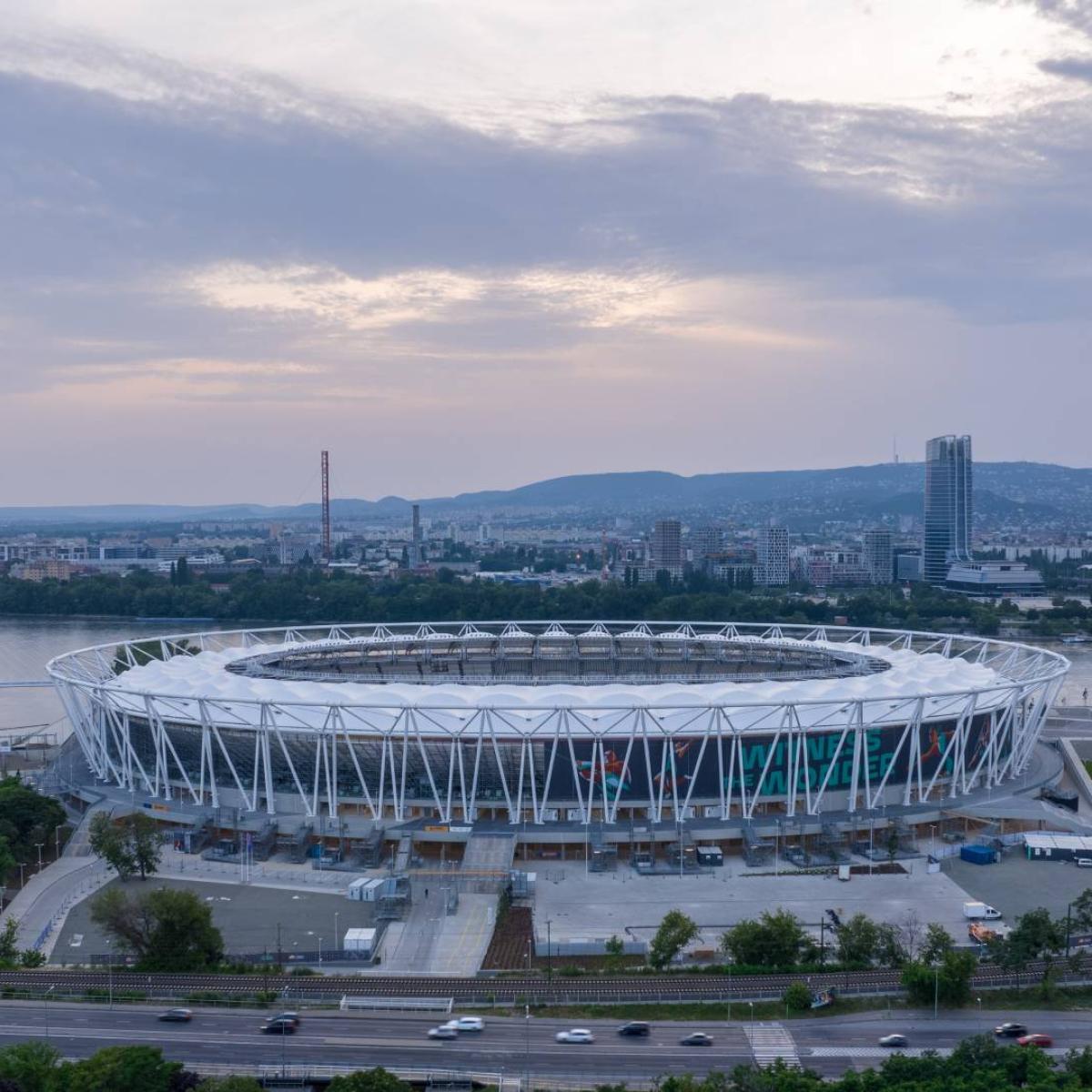
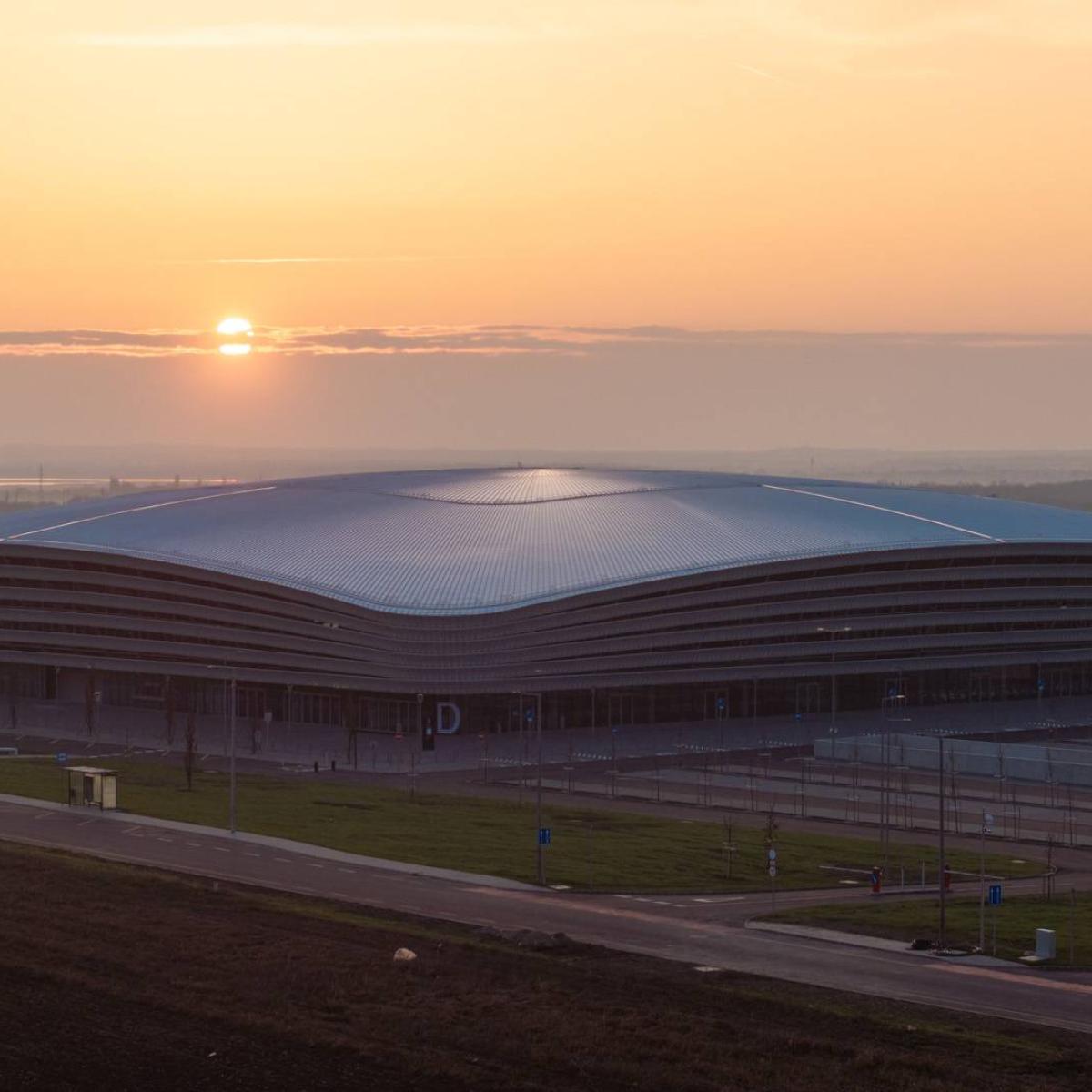
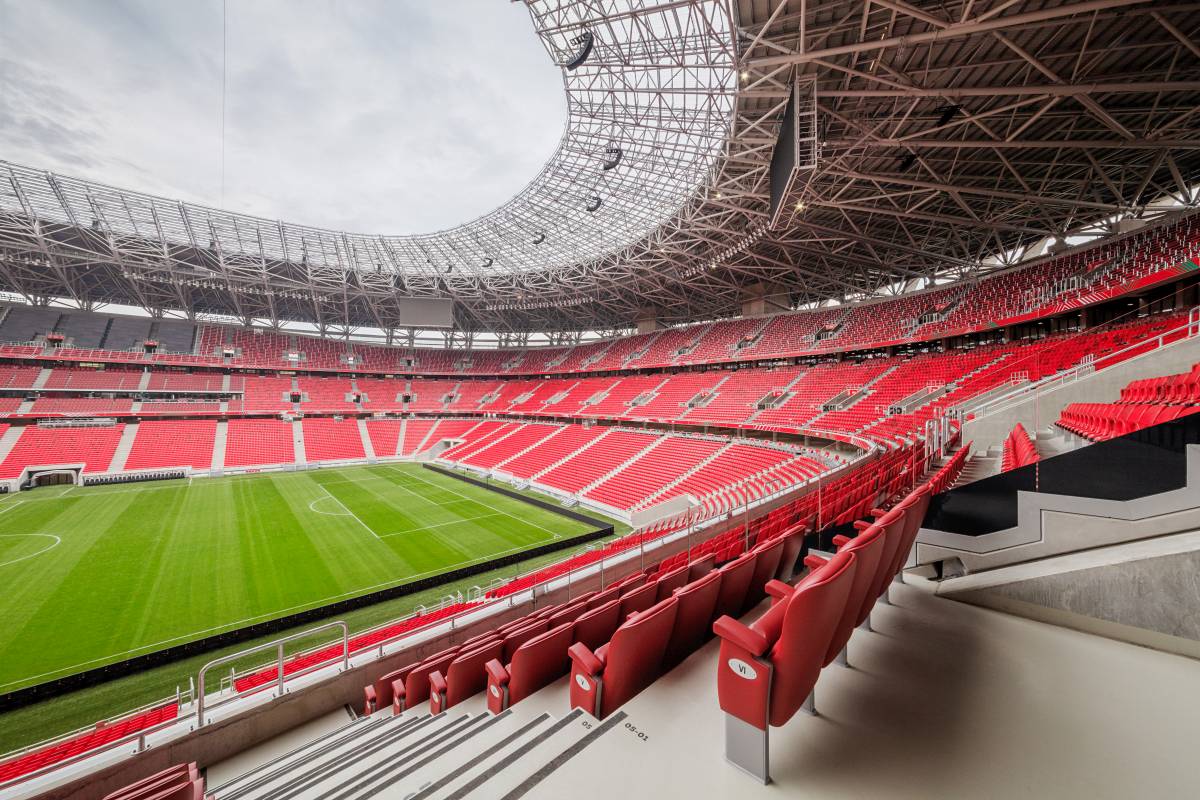
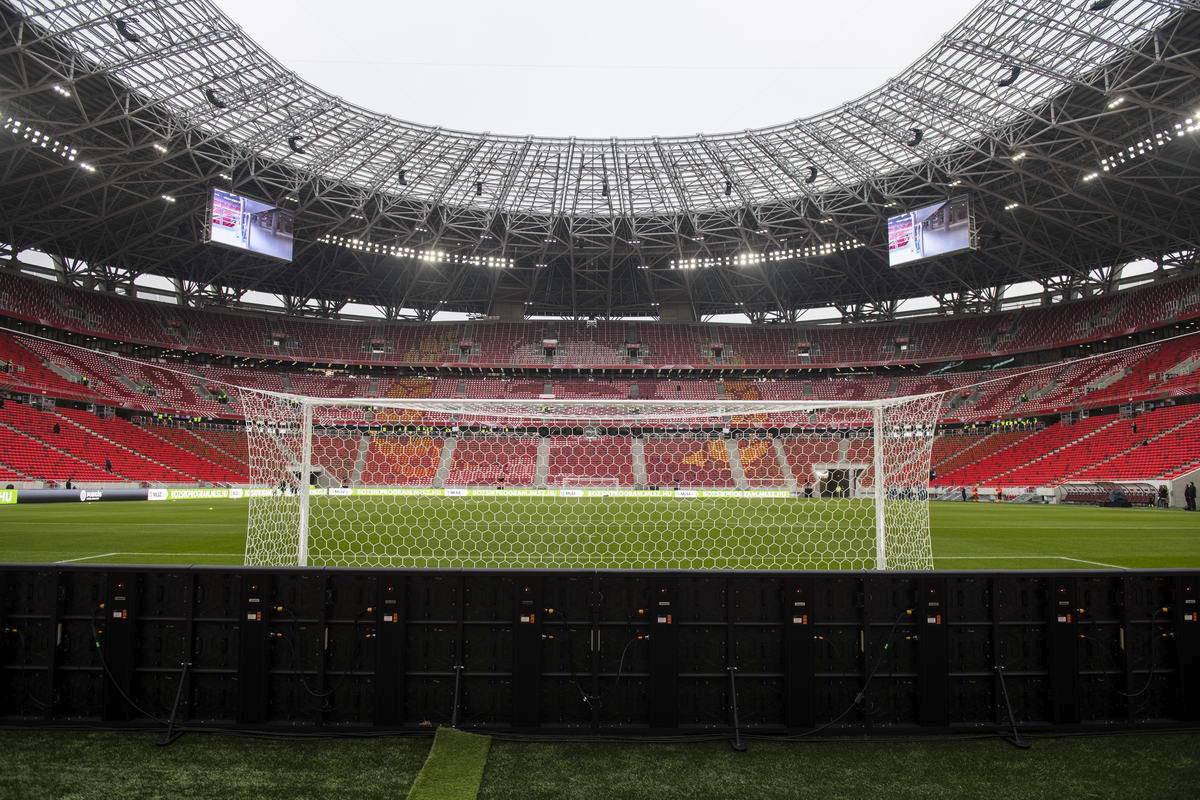
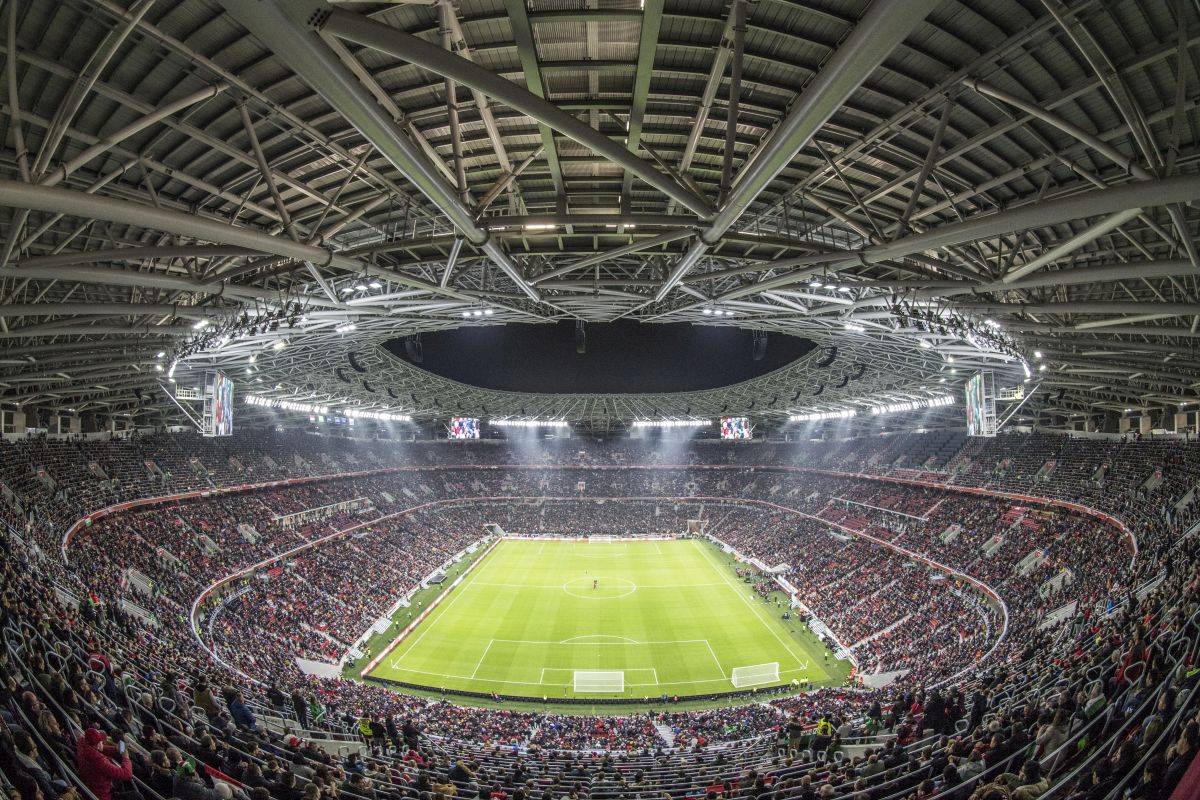
The 50.7-meter-tall, 67,215-seat arena in Budapest is today one of Central Europe’s most modern sports facilities, regarded as a world-class stadium. Yet it is far more than a state-of-the-art architectural achievement: it is a place where the past and the present meet in the same space.
The stadium where history was made
The story began with the National Stadium.
More
Construction began in 1948, and the stadium soon became one of the country’s defining symbols. After opening its doors on August 20, 1953, it quickly grew to become the center of Hungarian sports.
The Golden Team also played here. In 1954, this field was the site of the legendary 7–1 victory over England—one of the most iconic moments in soccer history, forever etched in the memory of international sports.
However, the National Stadium was always more than just a sports field. Under the floodlights, memorable moments of culture and history also took place:
- In 1965, Louis Armstrong gave a concert in front of tens of thousands of people.
- In 1986, Queen performed at the stadium, where Freddie Mercury sang the folk song “Tavaszi szél vizet áraszt” in Hungarian.
- In 1991, Pope John Paul II celebrated Mass here—a religious event of historic significance that many still remember today.
The stadium was renamed after Ferenc Puskás in 2002.
The stadium that lives on
When plans for the new Puskás Arena were first drawn up, one of the primary goals was to ensure that the legacy of the legendary National Stadium would not be lost; for this reason, the center of the new arena was placed, with millimeter precision, exactly where the center circle of the old stadium once stood. In this way, the past lives on not only as a memory but also in the physical structure of the space.
During demolition, several elements of the former stadium were given new roles. The concrete was crushed and incorporated into the foundations of the new arena, while the plastic seats found new homes in several regional stadiums—such as those in Eger and Kisvárda.
During the design process, some of the stadium’s characteristic columns and support pillars were preserved, as was the tower building. For this reason, many people simply refer to the Puskás Arena as:
“a stadium within a stadium.”
The character of the old stadium is still clearly recognizable in the modern structure today.
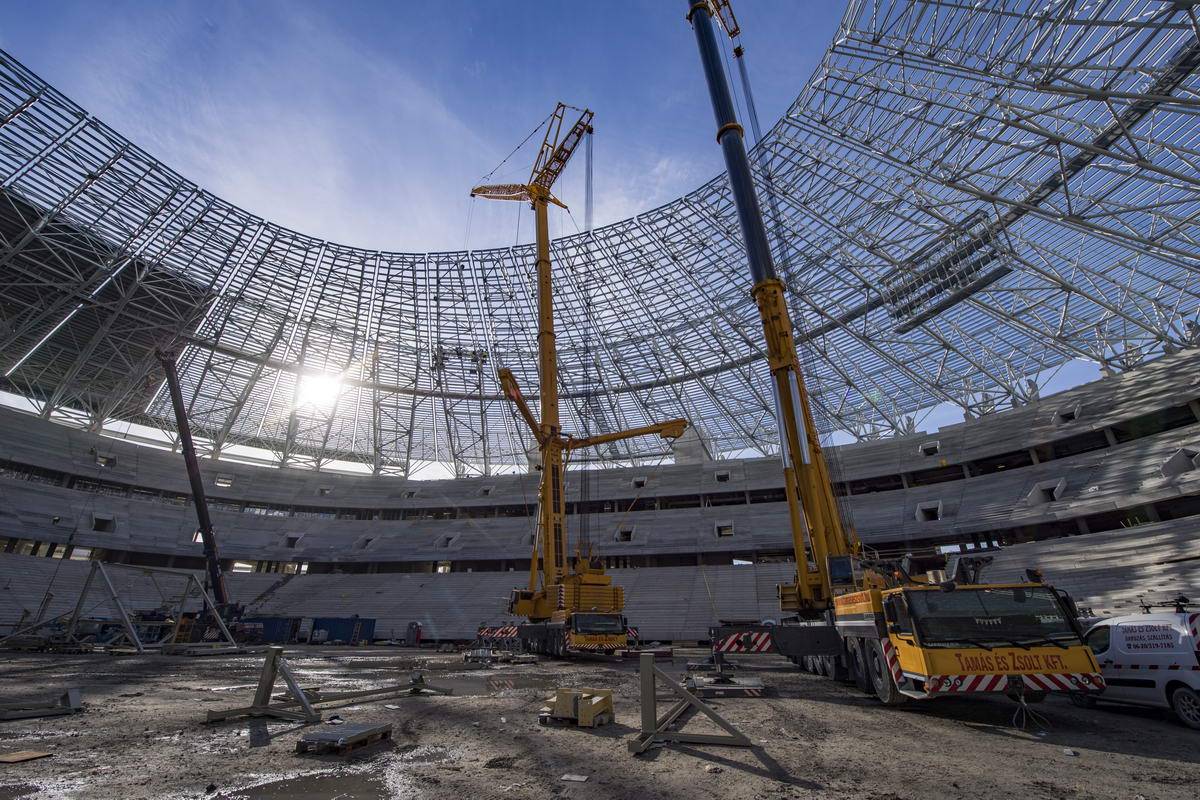
12,000 tons of steel and an engineering masterpiece
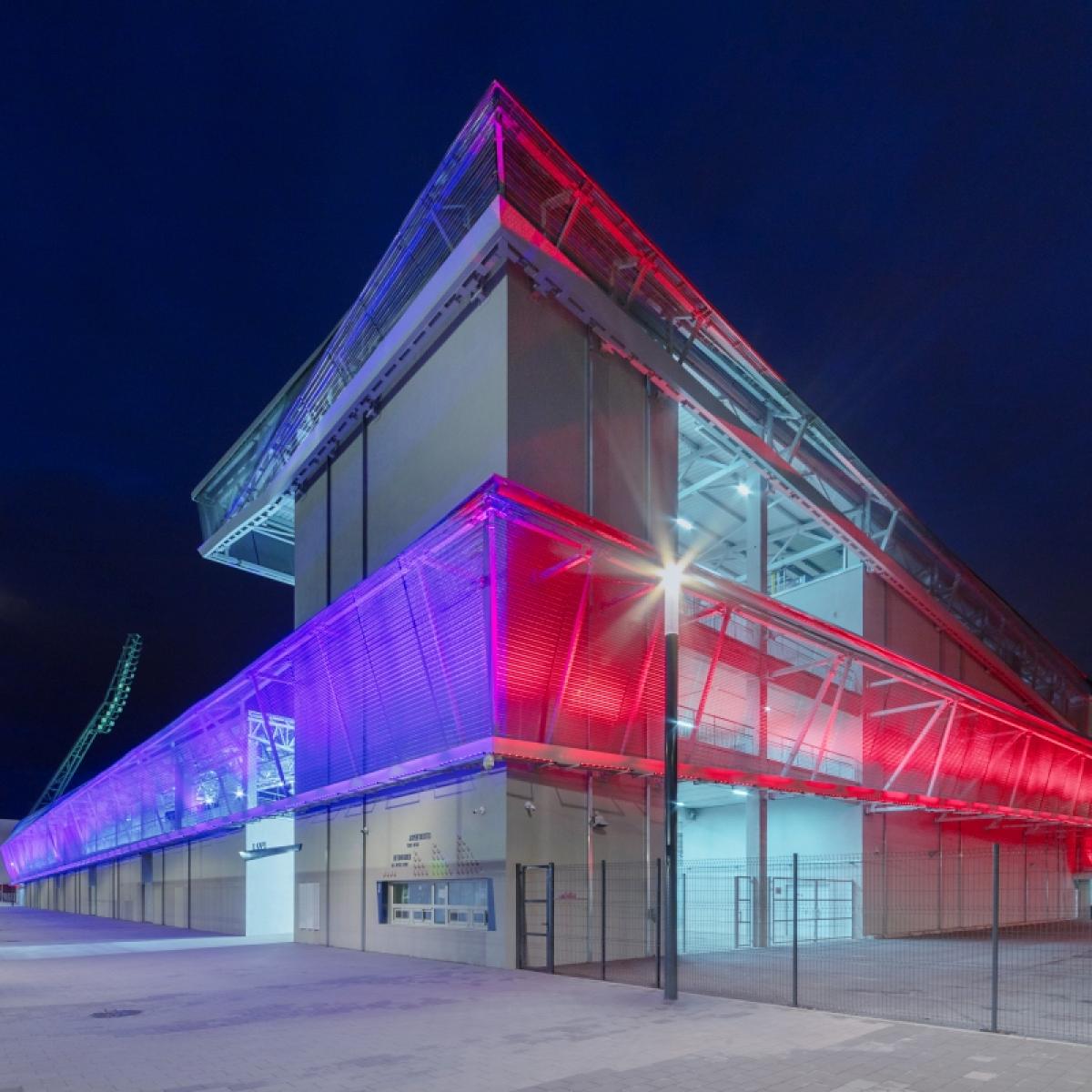
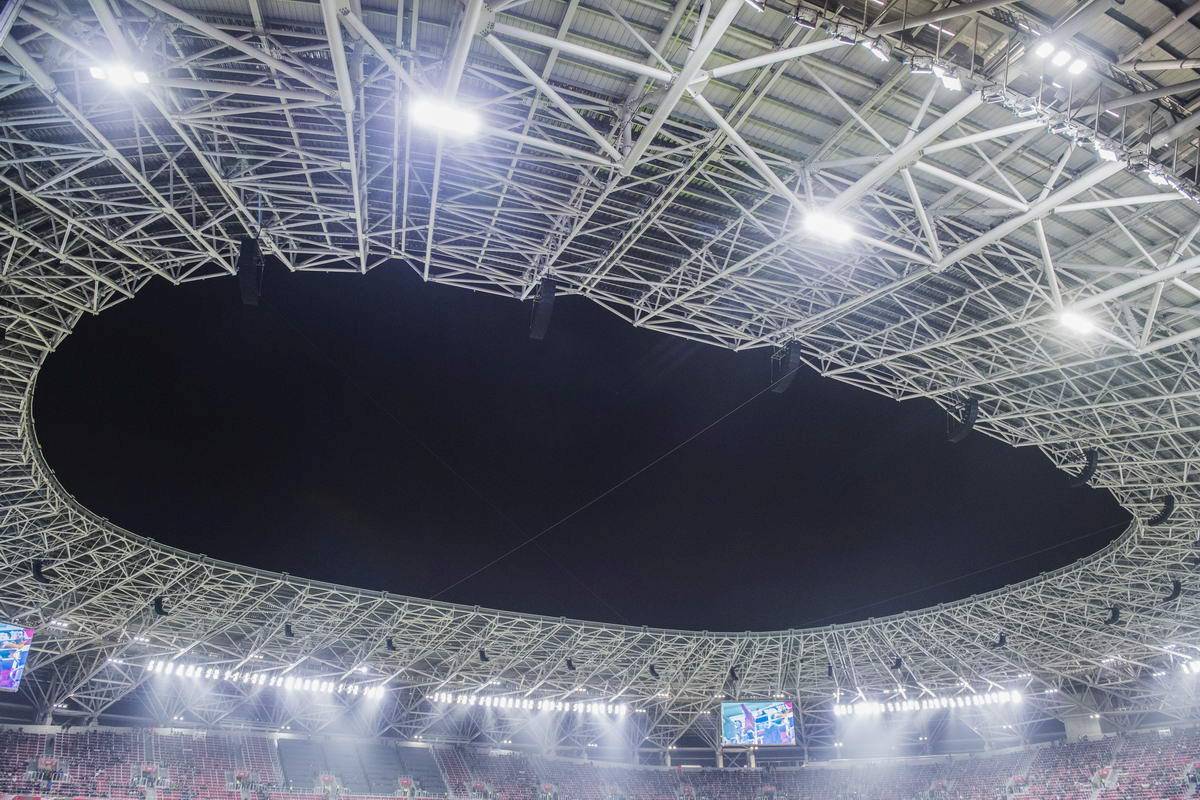
The new Puskás Arena, designed by György Skardelli, was completed in just three years and incorporates state-of-the-art engineering solutions.
For its structure:
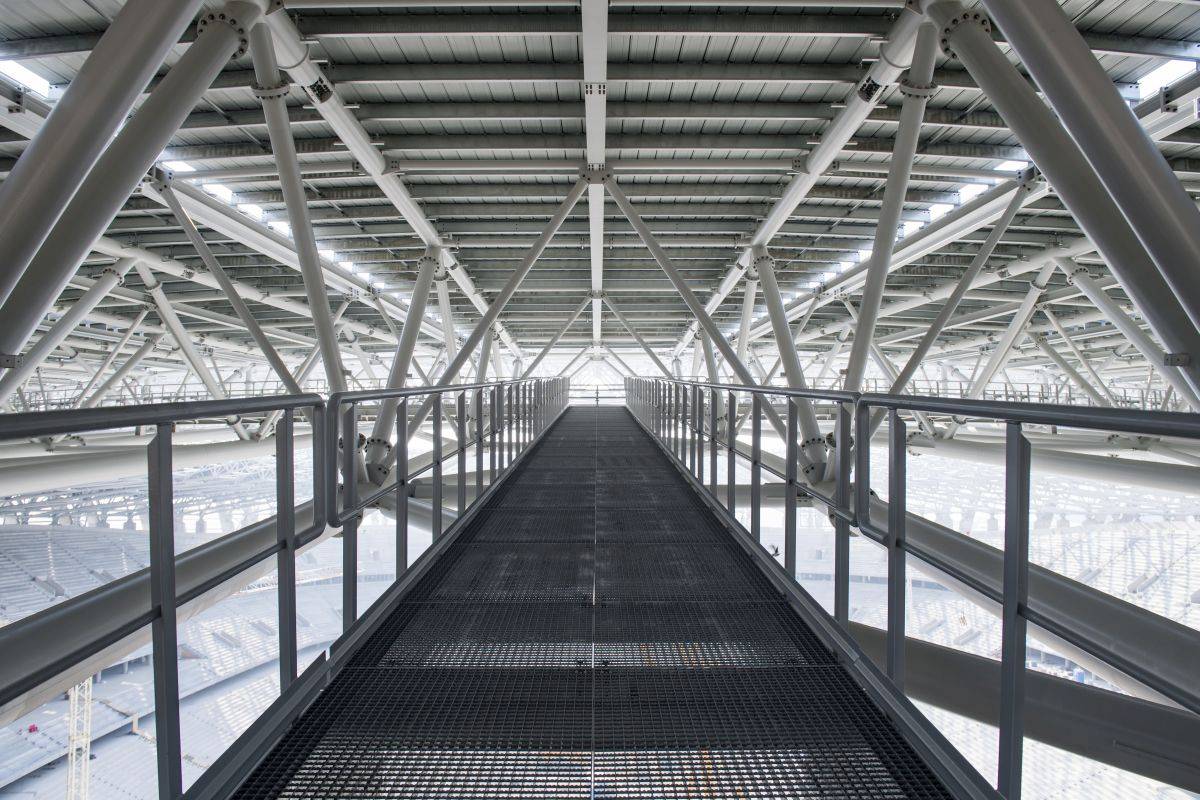
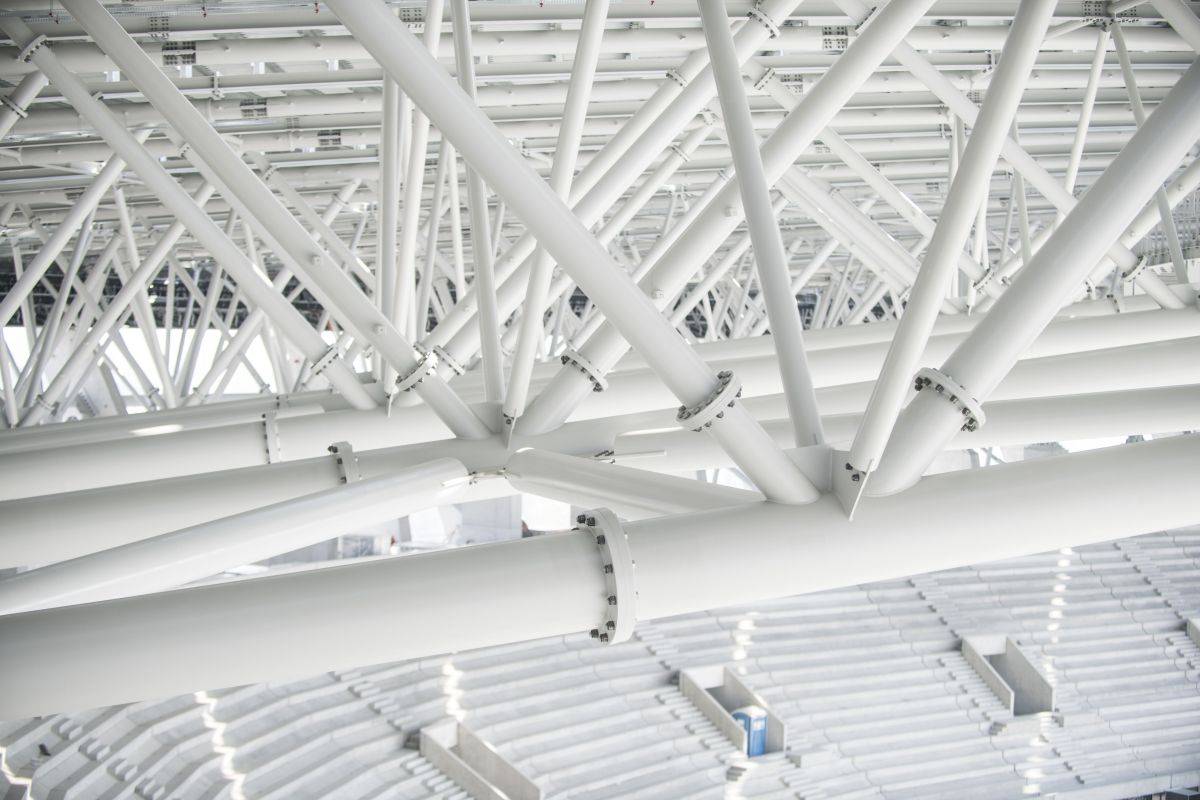
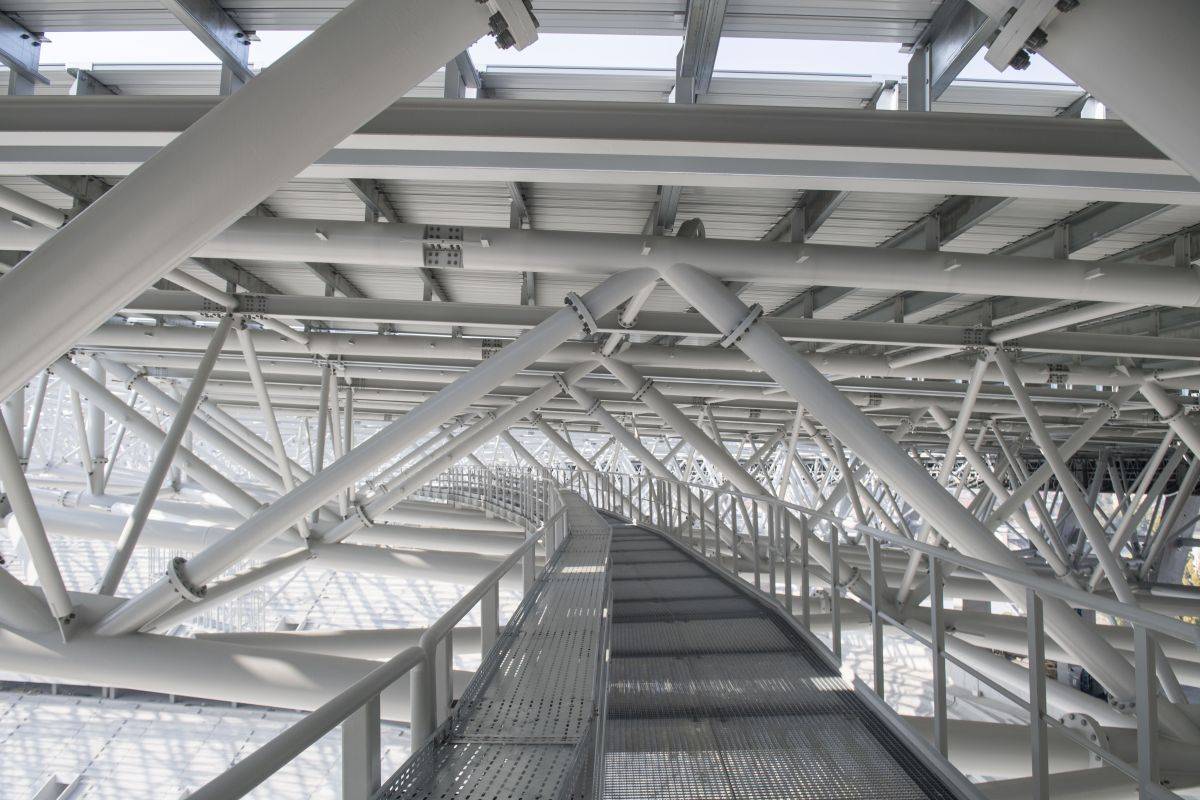
- more than 12,000 tons of steel,
- 140 kilometers of cable,
- and more than 10,000 data points.
KÉSZ Group completed the steel structure work—from comprehensive structural and construction design through manufacturing to on-site assembly—in just over a year. The project demanded exceptional precision, meticulous organization, and significant technical expertise all at once. The construction was also a unique challenge from a logistical standpoint. Only a handful of the specialized lifting devices required for the steel structure’s construction exist worldwide. The structure, with a load capacity of over 1,200 tons, was transported to the site by more than 50 trucks.
A venue for experiences across generations
Puskás Arena opened its doors on November 15, 2019, with a match between Hungary and Uruguay. Ádám Szalai scored the first goal for Hungary at the rebuilt stadium that evening.
Since then, the arena has quickly become one of the key venues for Hungarian and international soccer. It has hosted numerous national team matches and Hungarian Cup finals, and it also hosted the UEFA Super Cup final featuring Bayern Munich and Sevilla; in 2026, the Champions League final was held here as well.
Puskás Arena is also playing an increasingly important role as a concert venue. Its acoustics and state-of-the-art infrastructure make it suitable for hosting large-scale music events, and world-famous stars such as the Red Hot Chili Peppers, Metallica, Imagine Dragons, and Robbie Williams have already performed here.
Puskás Arena is therefore not merely a sports facility, but an iconic venue where Hungarian history is repeatedly transformed into a shared experience.
Source of images: KÉSZ Group
Facts

Constructed Stories was created by