Veszprém Castle
The Castle First Built by Nature
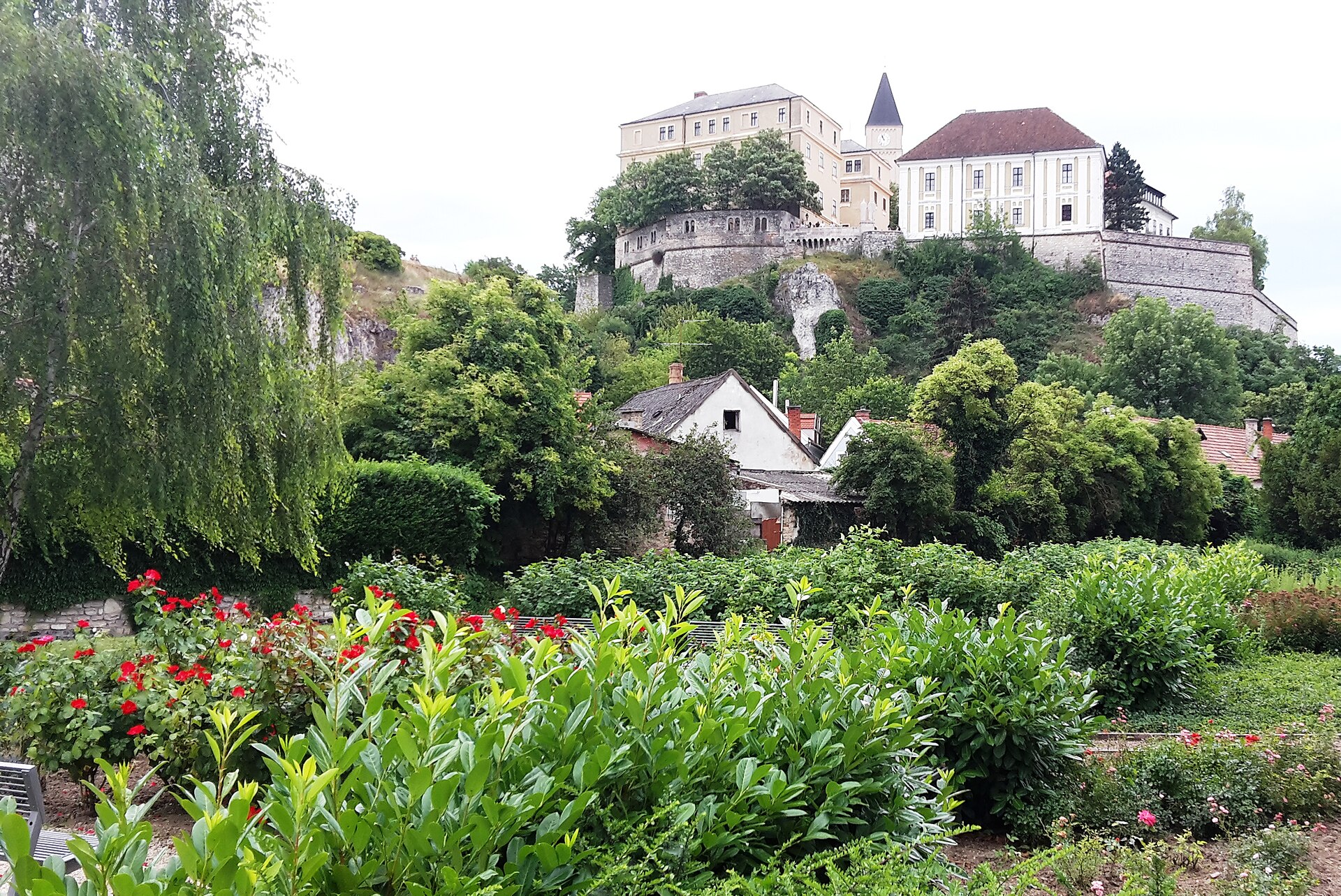
Rising above the eastern edge of the Bakony Hills, Castle Hill provided an ideal location for settlement thousands of years ago. Surrounded on three sides by steep cliffs and deep valleys, it served as a natural fortress. Archaeological discoveries show that the site was already inhabited during the Neolithic and Bronze Ages, making it an important strategic location long before the arrival of the Hungarians.
The City of Queens
During the foundation of the Hungarian state, Veszprém became an important princely centre. At the turn of the 10th and 11th centuries, one of Hungary's first bishoprics was established here. It was granted a unique privilege: the Bishop of Veszprém was entitled to crown the queens of Hungary. This is the origin of the city's enduring nickname, the City of Queens.
According to tradition, Queen Gisela was closely connected to Veszprém. During this period, the first cathedral was built, the Greek Orthodox nunnery of Veszprémvölgy was founded, and the episcopal centre gradually developed into the castle district we know today.
Read more
How the Castle Took Shape
Looking at today's castle district, it is easy to assume it has always looked this way. In reality, it evolved gradually over many centuries.
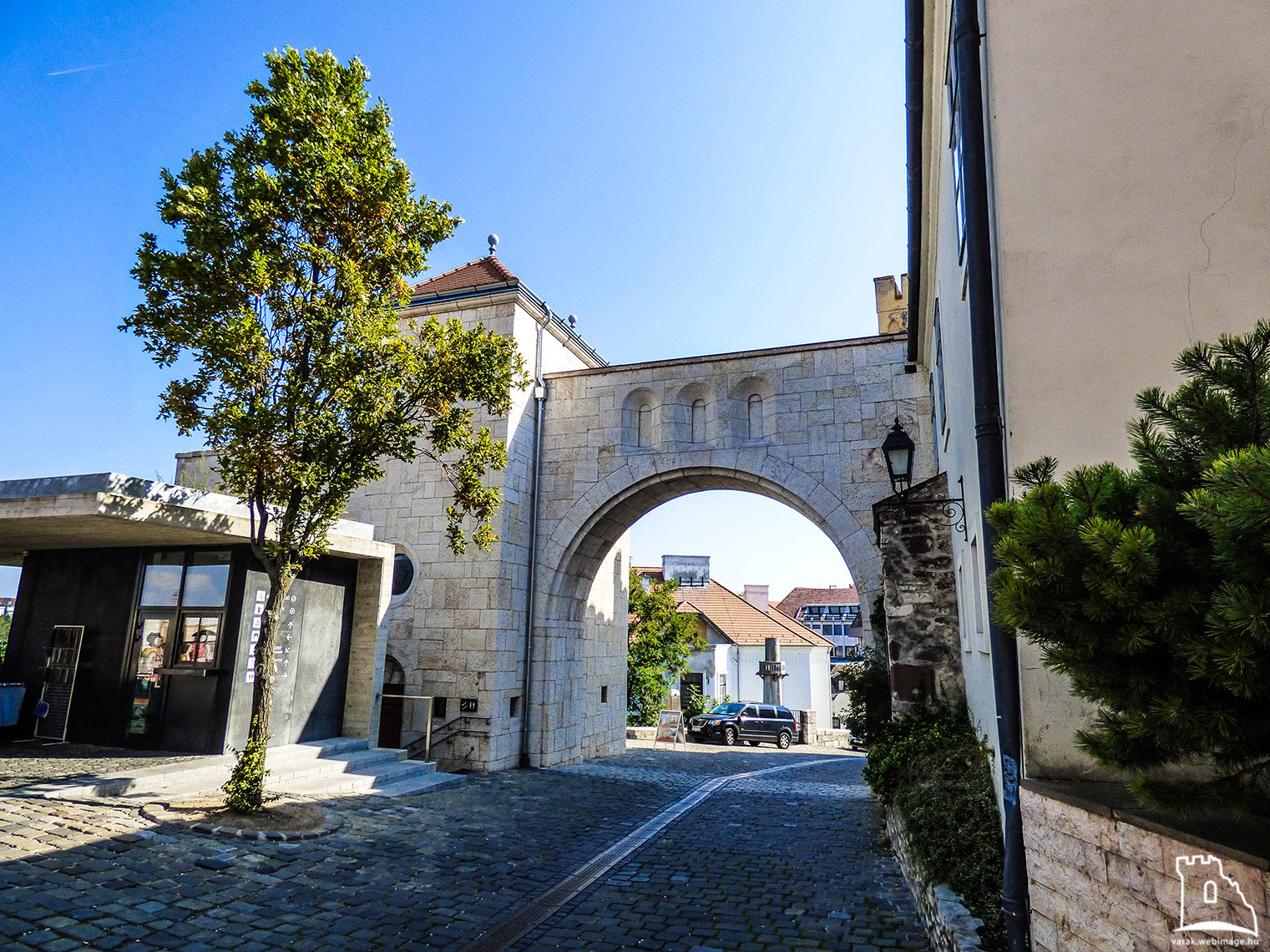
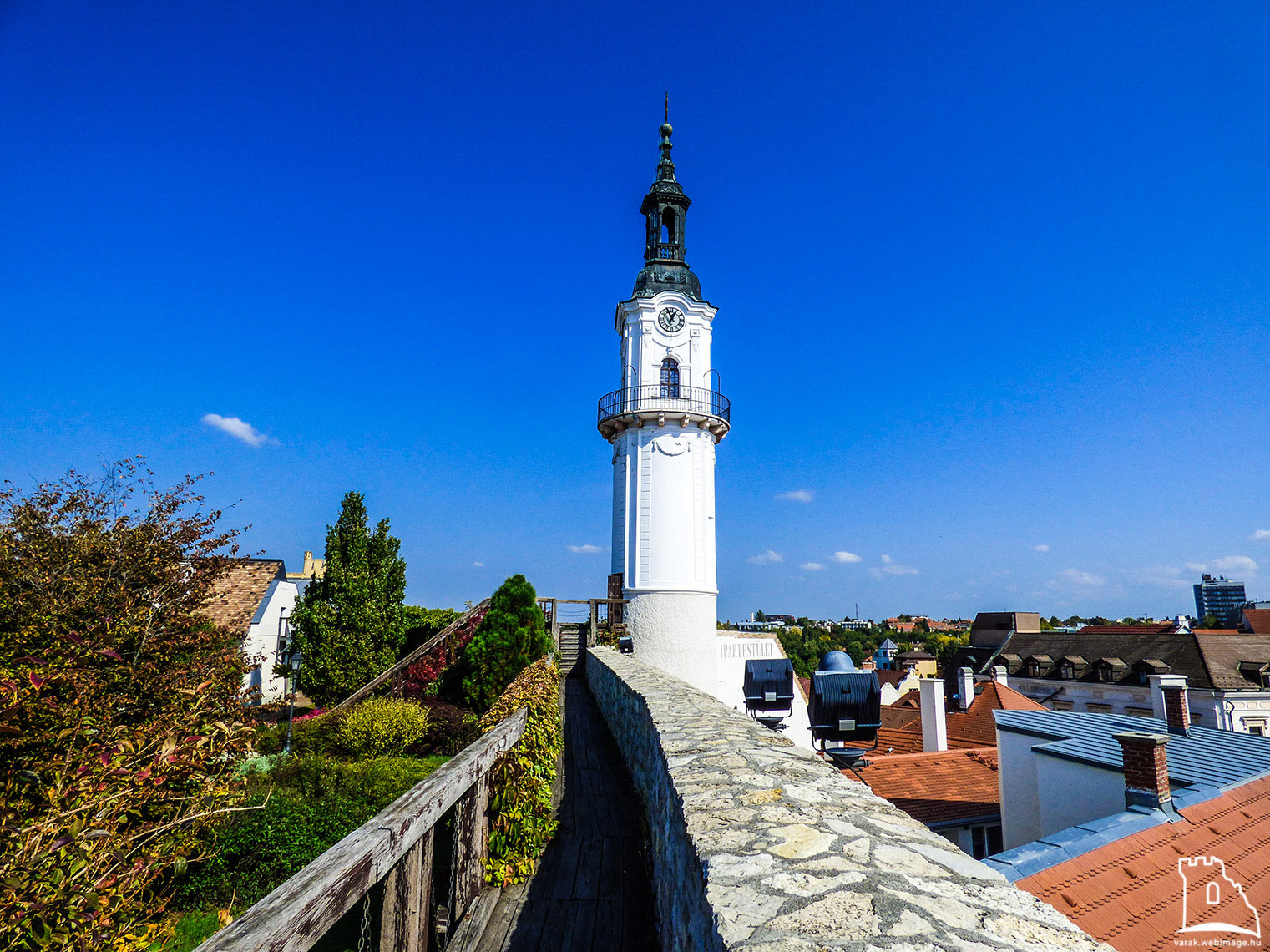
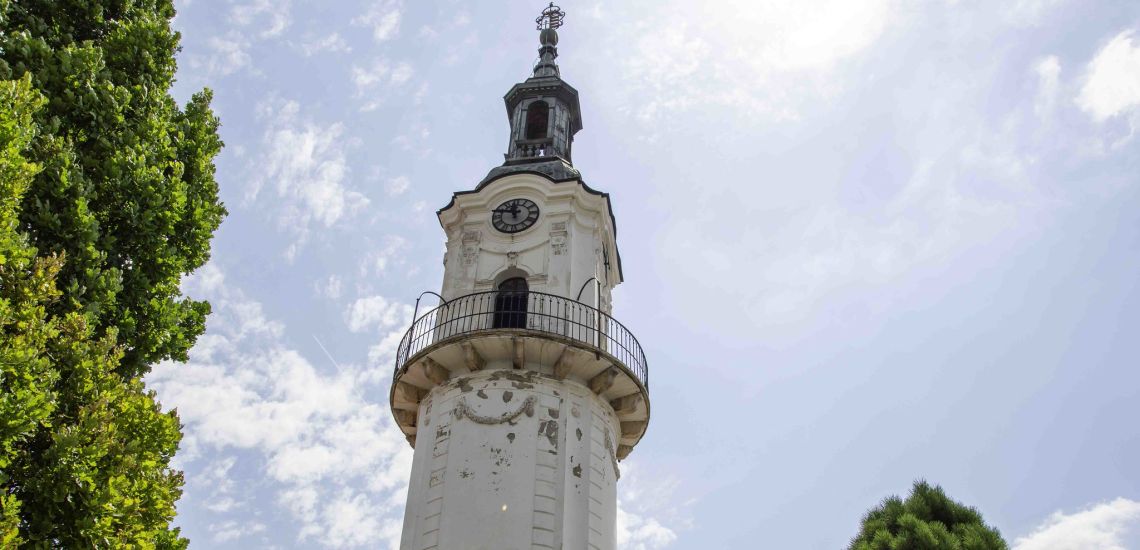
The earliest fortifications occupied only the northern part of Castle Hill. As the town expanded, so did the castle. Between the 13th and 15th centuries, double defensive walls, gate towers, drawbridges and new fortifications were constructed. The lower section of today's Firewatch Tower (Tűztorony) is the last surviving element of this medieval gateway system.
What made Veszprém Castle unique was its dual role as both a fortress and an ecclesiastical centre, home to bishops, canons, scholars and students alike.
Sieges and Rebuilding
The medieval golden age was followed by periods of destruction. In 1276, the forces of Péter Csák devastated the castle, and later a major fire caused further damage.
After the Battle of Mohács, Veszprém became one of the key strongholds of Hungary's defensive system against the Ottoman Empire. Throughout the 16th and 17th centuries, the castle changed hands several times as sieges and reconstructions followed one another. Italian military engineers modernised its defences, but rapid advances in military technology soon rendered even these fortifications obsolete.
From Fortress to Episcopal City
Following the expulsion of the Ottomans, the castle gradually lost its military importance. By order of Emperor Leopold I, much of its defensive system was dismantled and replaced by Baroque palaces, churches and residences for the canons.
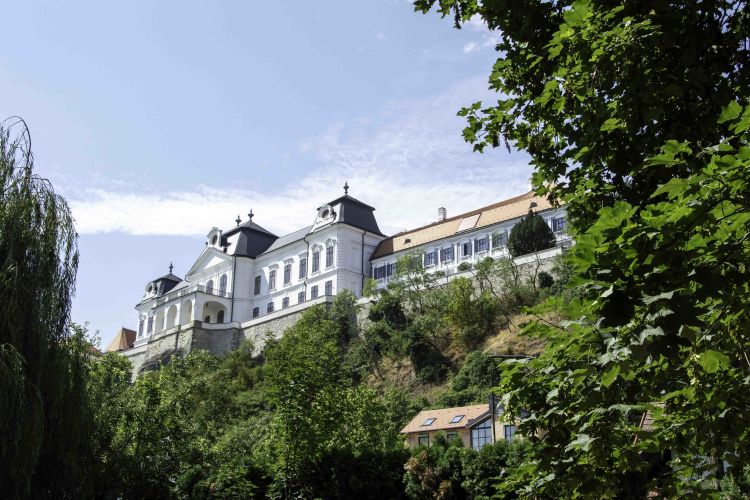
Thanks to the ambitious building programmes of Bishops Márton Padányi Bíró and Ignác Koller, the Baroque townscape that still defines the castle today was created. During these developments, Castle Hill itself was widened by constructing retaining walls and filling the space behind them with earth, creating new courtyards and gardens.
The City That Moved Beyond the Castle
For centuries, the castle itself was the city. It housed the bishopric, government offices, schools, administrative institutions and much of the local trade.
Everything changed during the 19th century.
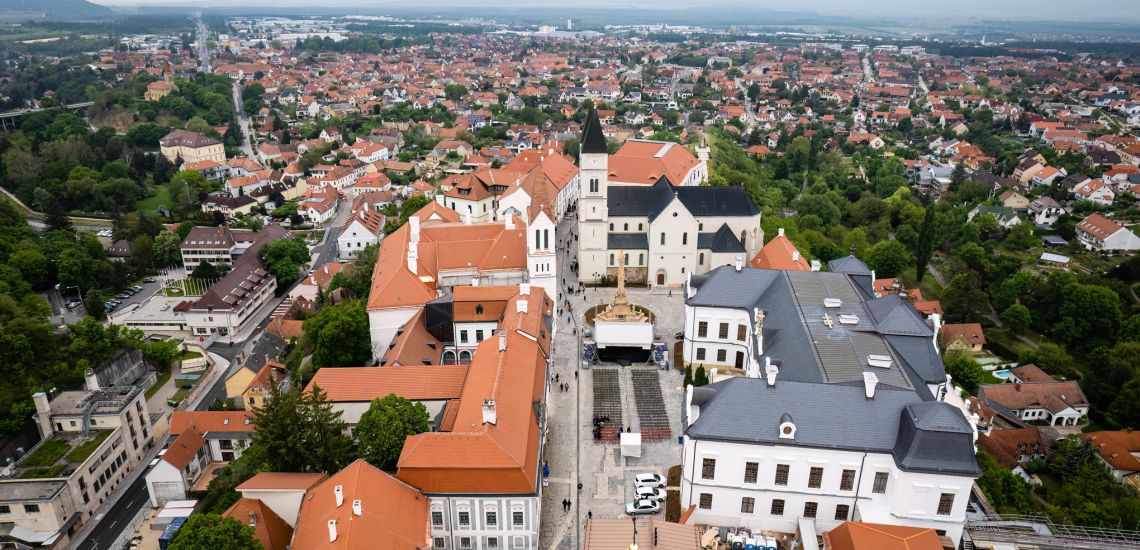
As modern Veszprém expanded, administrative, commercial and educational functions gradually moved beyond Castle Hill, while the castle retained its religious and historical significance.
This is why the district still feels like a "city within a city", where quiet streets and historic buildings preserve an atmosphere entirely different from the modern town surrounding them.
A Thousand Years of Architecture in One Place
Few historic sites in Hungary showcase the layering of architectural styles as clearly as Veszprém Castle. Romanesque walls are complemented by Gothic details, while Baroque palaces and later restorations complete the architectural landscape.
Within St. Michael's Cathedral, Romanesque, Gothic and Baroque elements coexist. The Gisela Chapel, renowned for its 13th-century frescoes, is one of Hungary's finest medieval monuments, while the Archbishop's Palace stands as an outstanding example of late Baroque architecture.
The Castle Today
Today, Veszprém Castle is one of Hungary's most significant historic districts and one of the country's most important ecclesiastical centres. Since 2021, an extensive heritage restoration programme has renewed churches, palaces, exhibition spaces and public squares, allowing visitors to experience the castle's rich history more fully than ever before.
The castle is simultaneously a religious centre, a cultural quarter, a museum destination and a major tourist attraction. At the same time, it remains far more than an open-air museum: the institutions of the Archdiocese continue to operate here, religious services are still held, and the historic district remains a living part of the city of Veszprém.
Source of images: Veszpreminfo.hu, Varlexikon.hu, Wikipedia
Facts
Constructed Stories was created by