Museum of Applied Arts
The museum that defined the language of Hungarian Art Nouveau
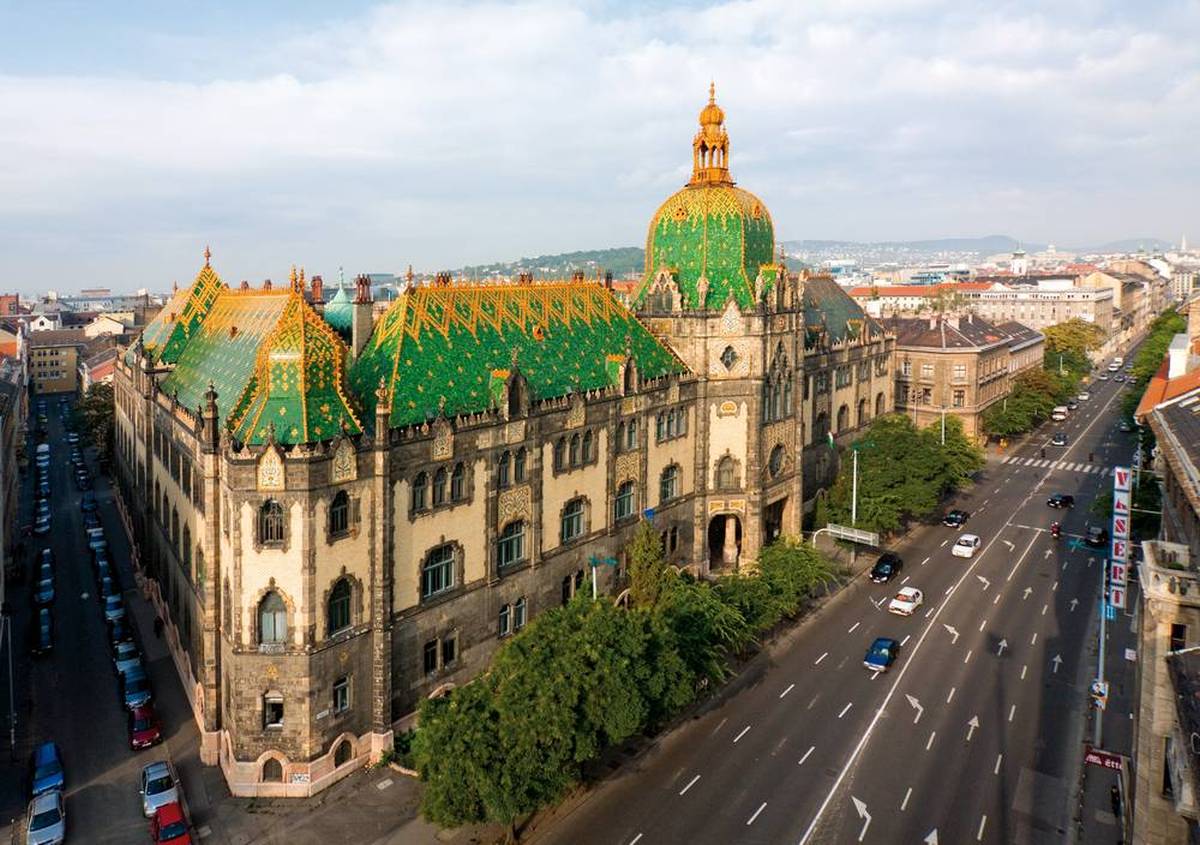
When it was built on Üllői út at the end of the 19th century, many of its contemporaries did not even understand what they were seeing. The unusual domes, the colorful Zsolnay ceramics, the Eastern motifs, and the decorations inspired by Hungarian folk art were completely different from what people in Budapest had come to expect from monumental public buildings. Today, however, almost everyone regards it as one of the most important masterpieces of Hungarian Art Nouveau.
And while the building has been closed for years, its history remains one of the most extraordinary in Hungarian architecture.
A museum that was considered pioneering even in Europe
The history of the Museum of Applied Arts began long before the building was constructed.
More
In the second half of the 19th century, the role of applied arts and design became increasingly important throughout Europe. The Victoria & Albert Museum was already operating in London, and the Österreichisches Museum für Kunst und Industrie in Vienna, when Flóris Rómer and Ferenc Pulszky initiated the creation of a similar institution in Hungary. The National Assembly finally approved the establishment of the new museum in 1872, making it the world’s third museum of applied arts at the time.
The goal was not simply to create an exhibition space. The institution was meant to serve as a model for Hungarian industry, crafts, and design culture. The collection served the purposes of art, education, and industrial development all at once.
The design, which was completely different from anything that had ever been seen before
In 1890, a competition was announced for the design of the new museum and school. The winning entry was given the unusual title: “Hungarian to the East!” The design was created by Ödön Lechner and Gyula Pártos.
By that time, Lechner had long been grappling with the question of whether an independent Hungarian architectural style could exist. He believed that the Hungarian formal language could not be born from copying the historical styles of other countries, but rather from its own motifs, folk art patterns, and Eastern influences.
The Museum of Applied Arts became one of the most important realizations of this vision.
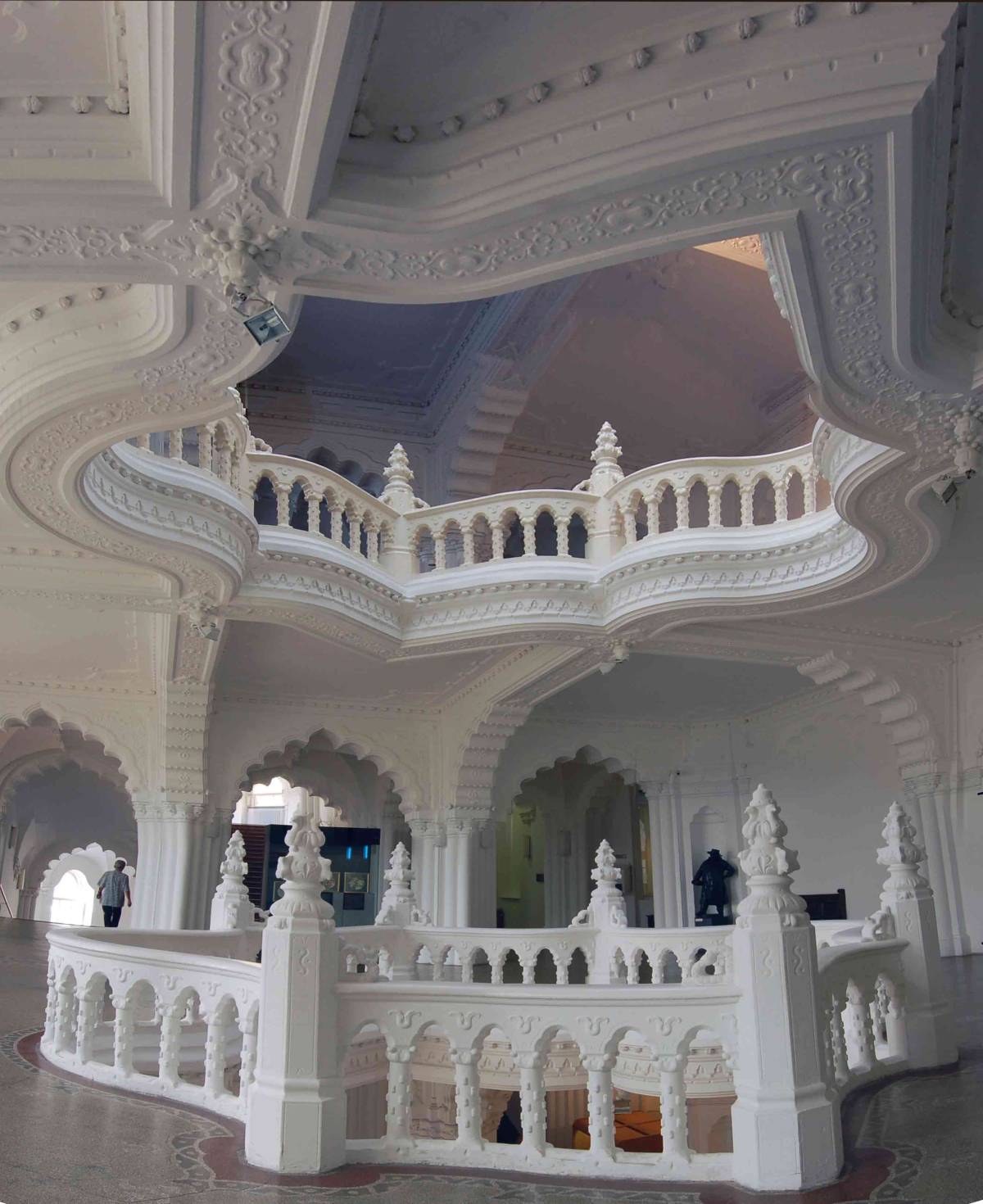
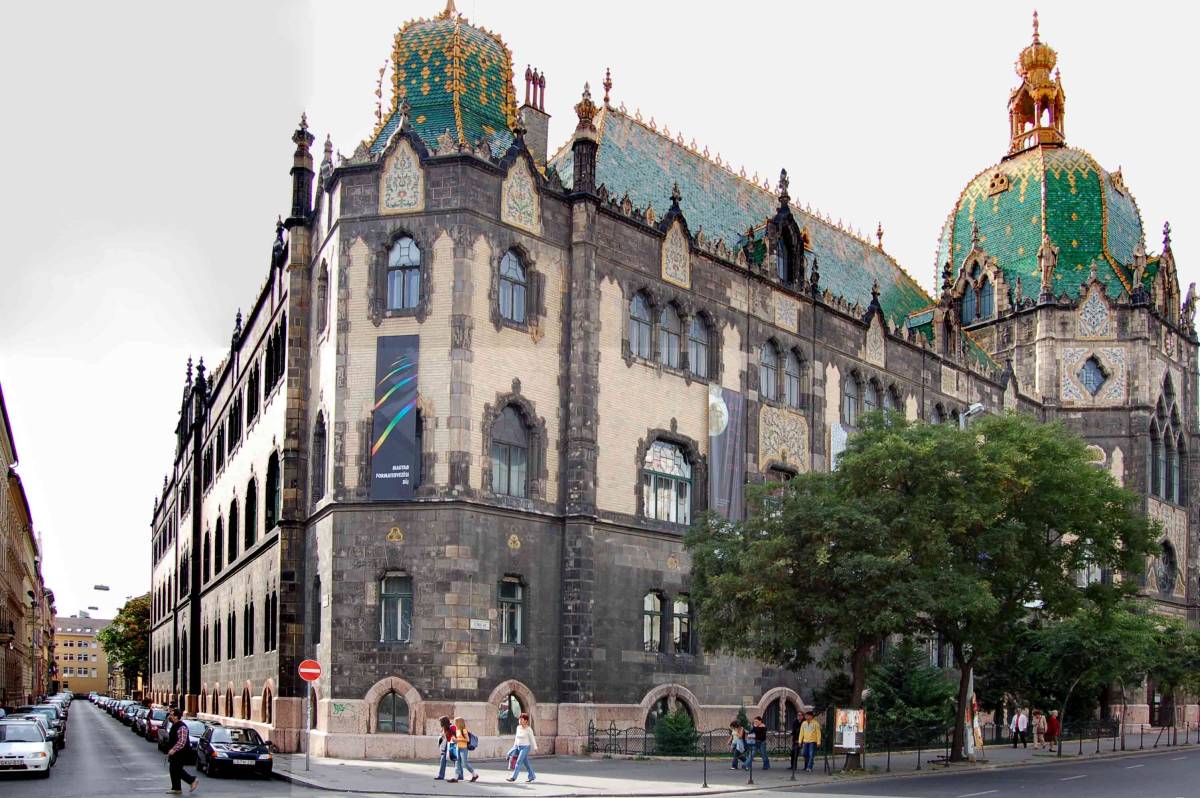
The building evokes the atmosphere of Indian, Persian, and Islamic architecture, while Hungarian ornamentation is also present in every detail. Many of the conservative architects of the era considered the design too bold. Lengthy debates ensued over whether such an unusual building was worthy of Budapest, but in the end, Lechner’s design prevailed.
The palace that created a new world, inside and out
Construction began in 1893 on Üllői Road.
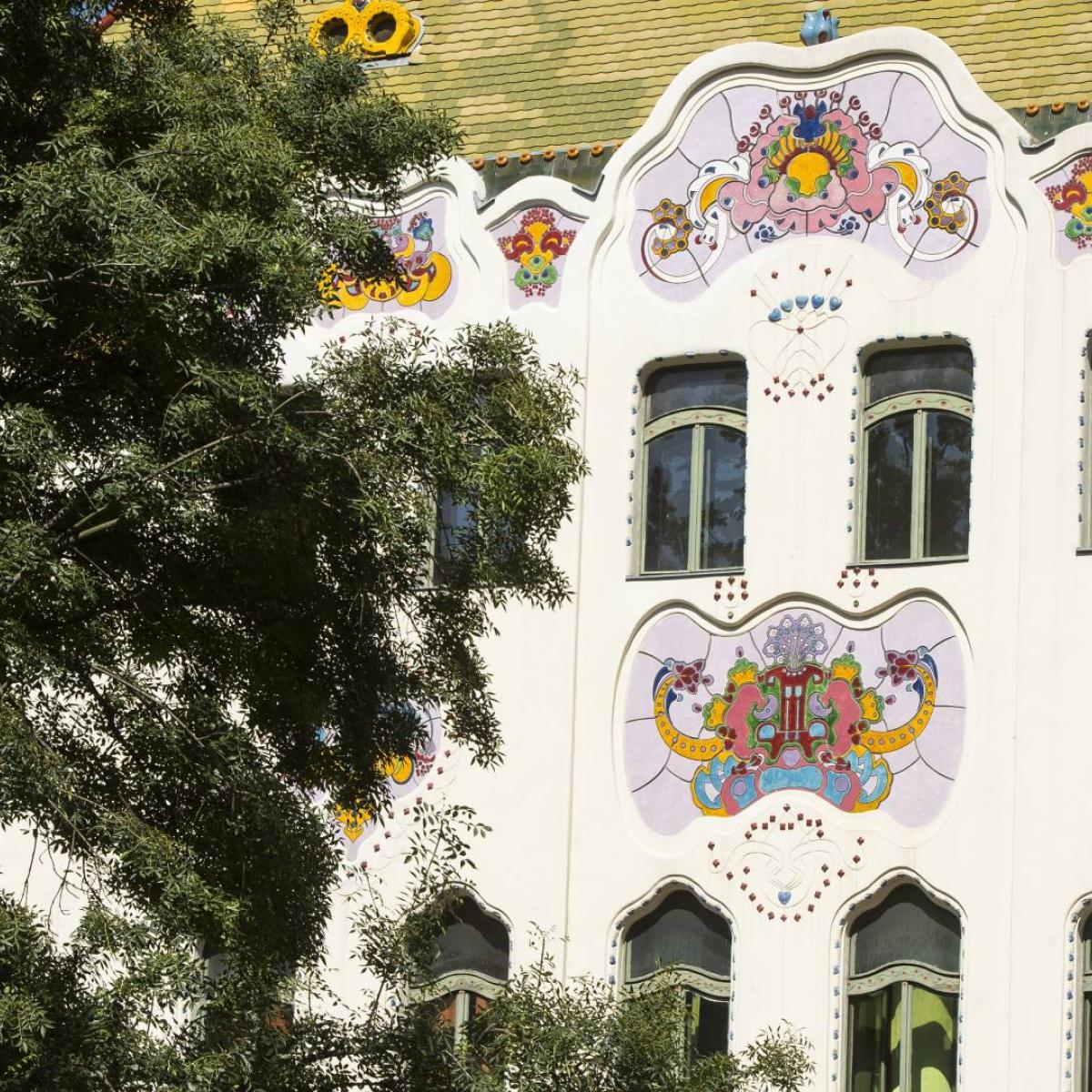
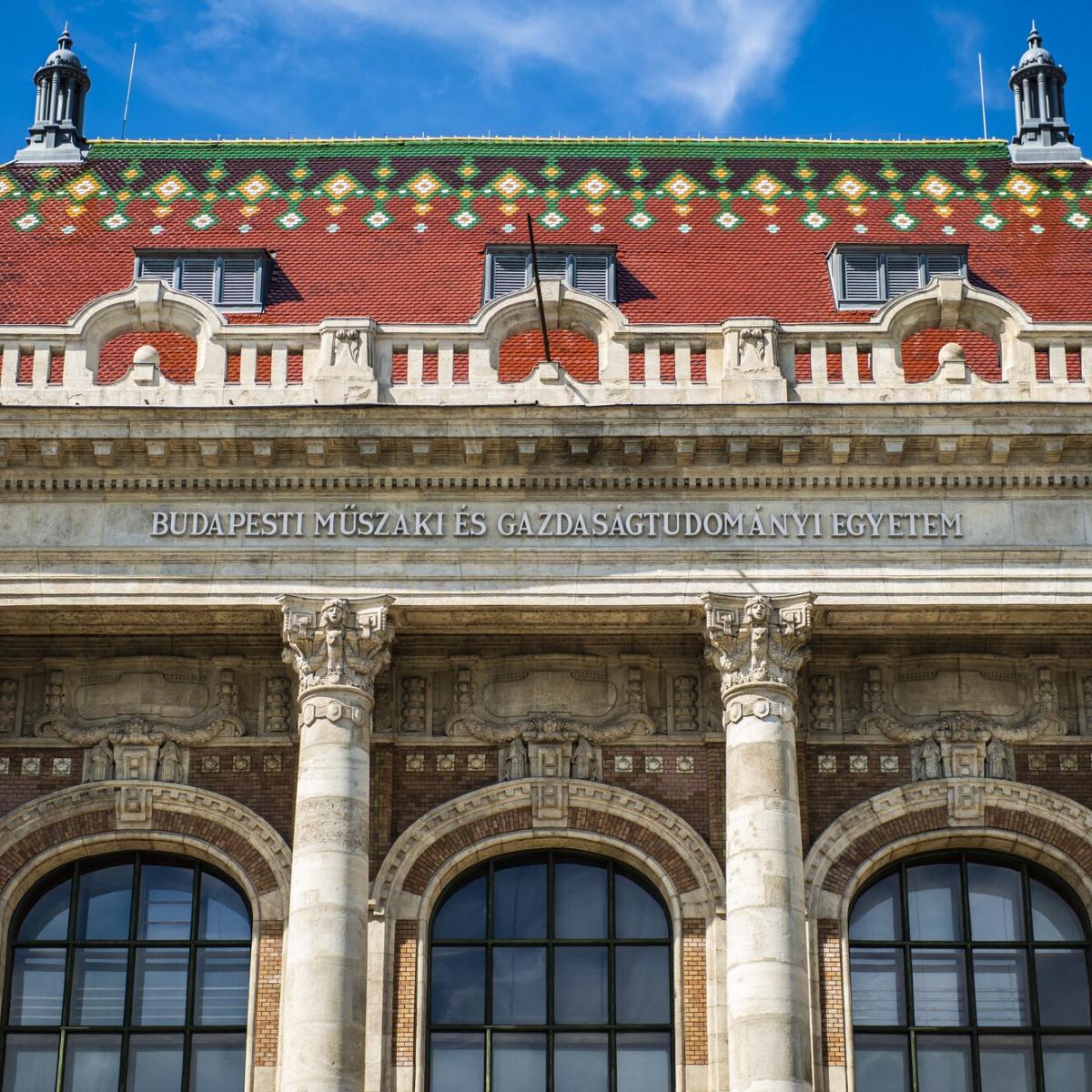
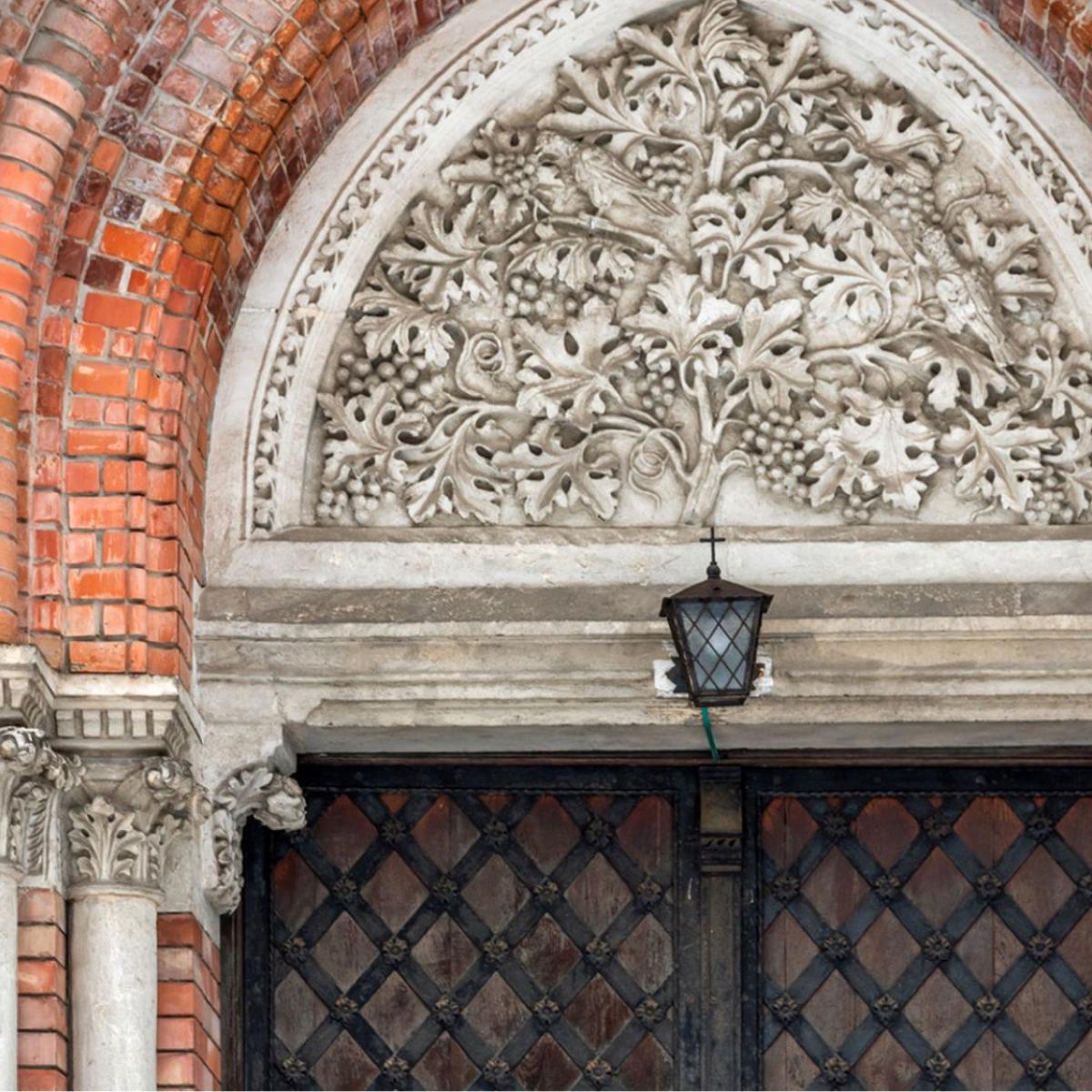
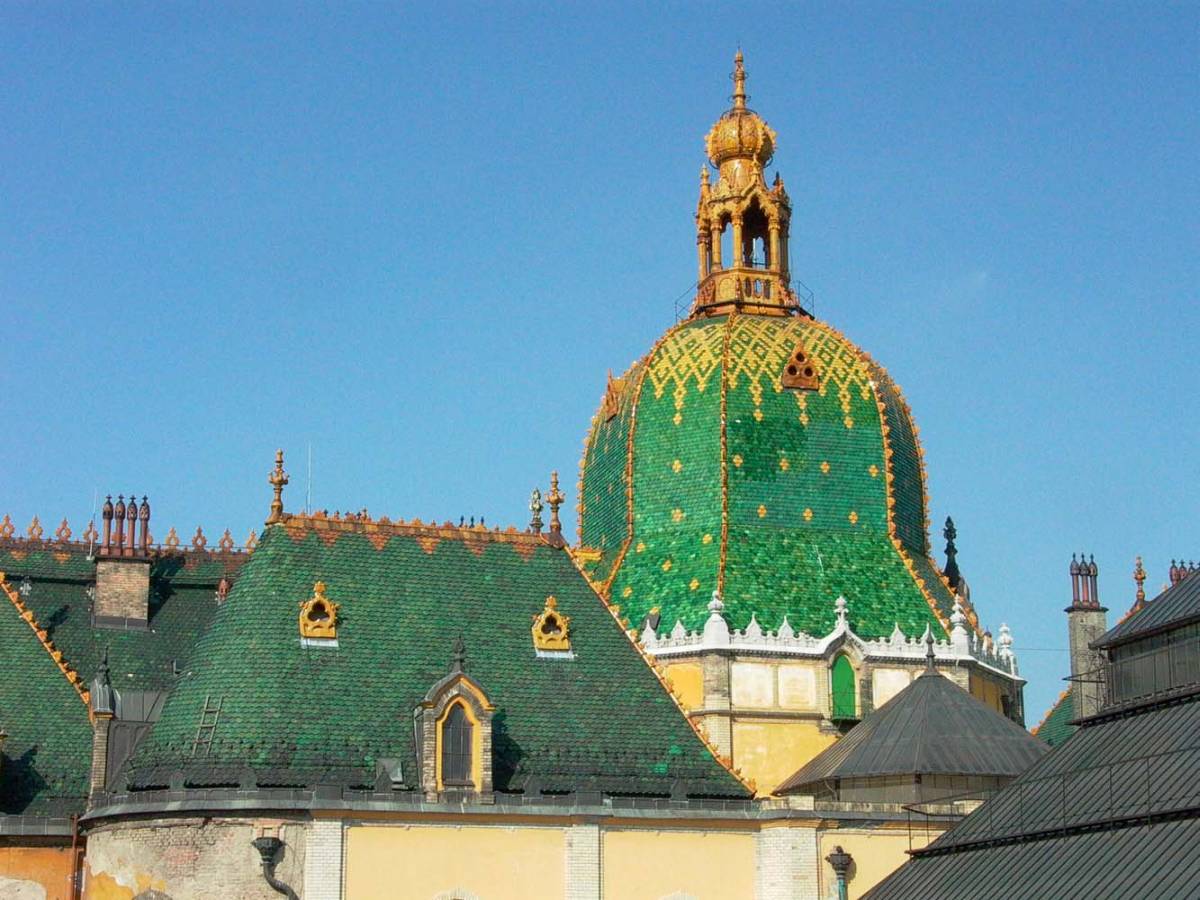
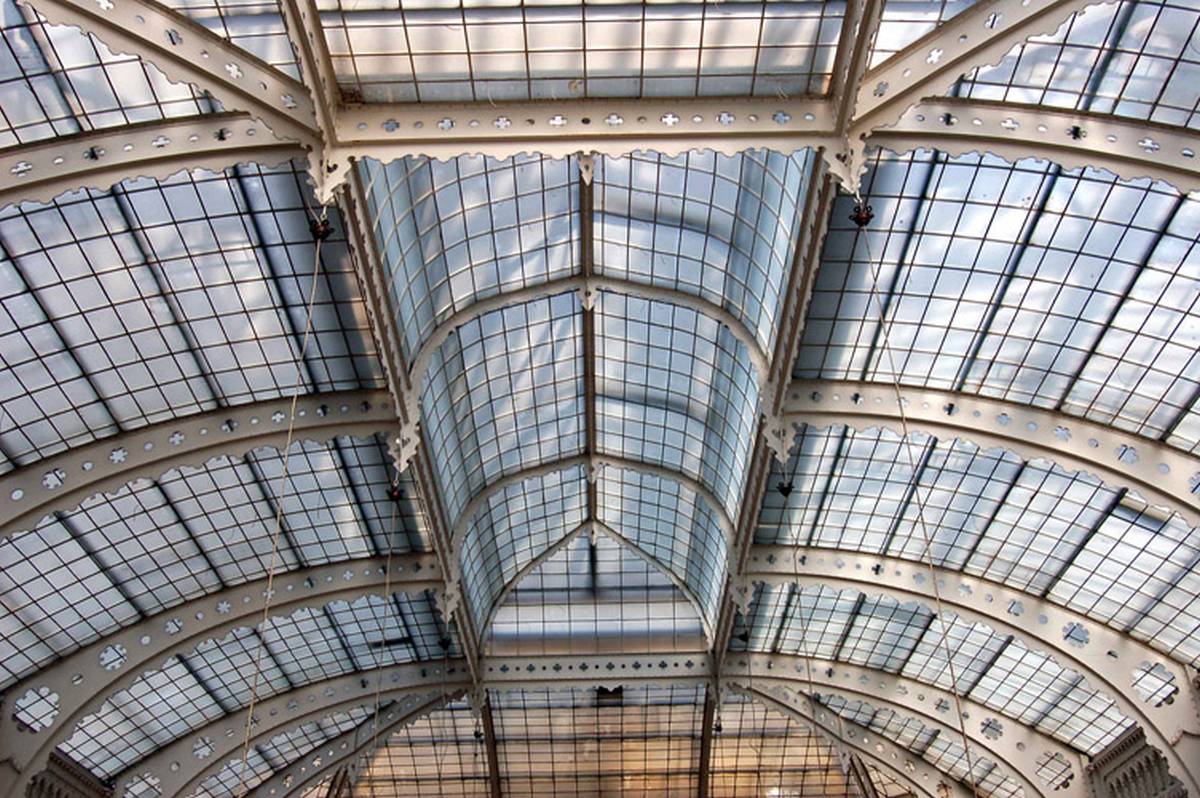
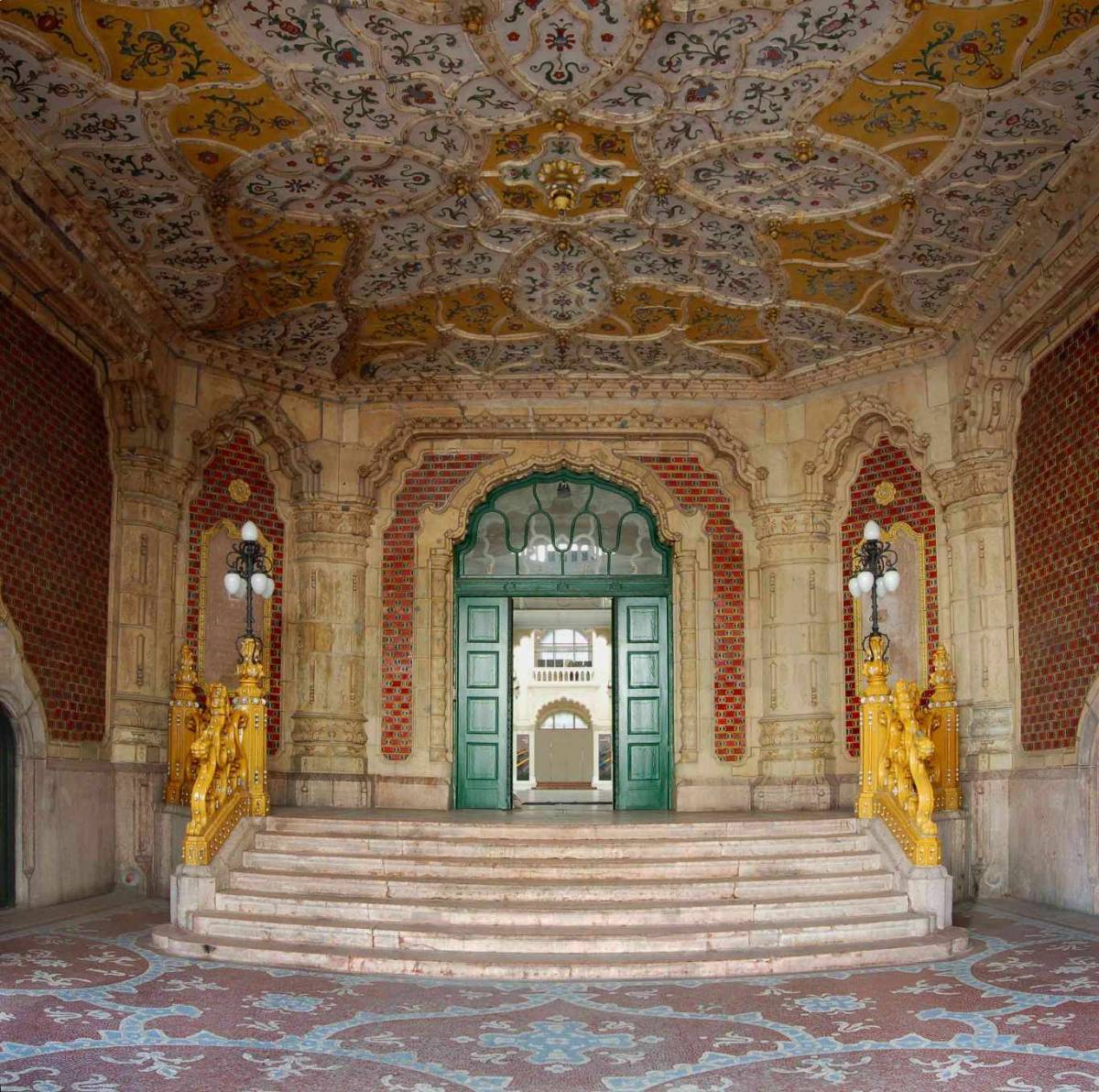
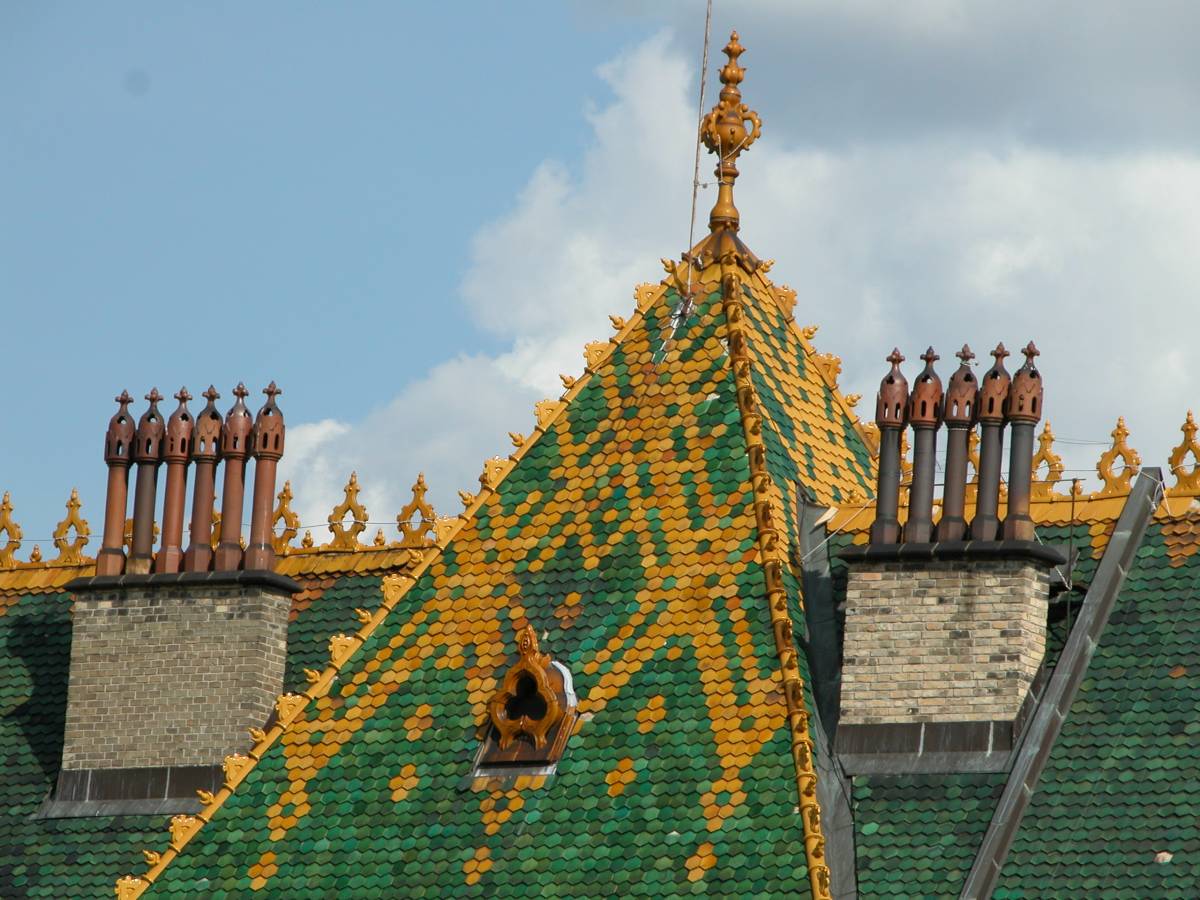
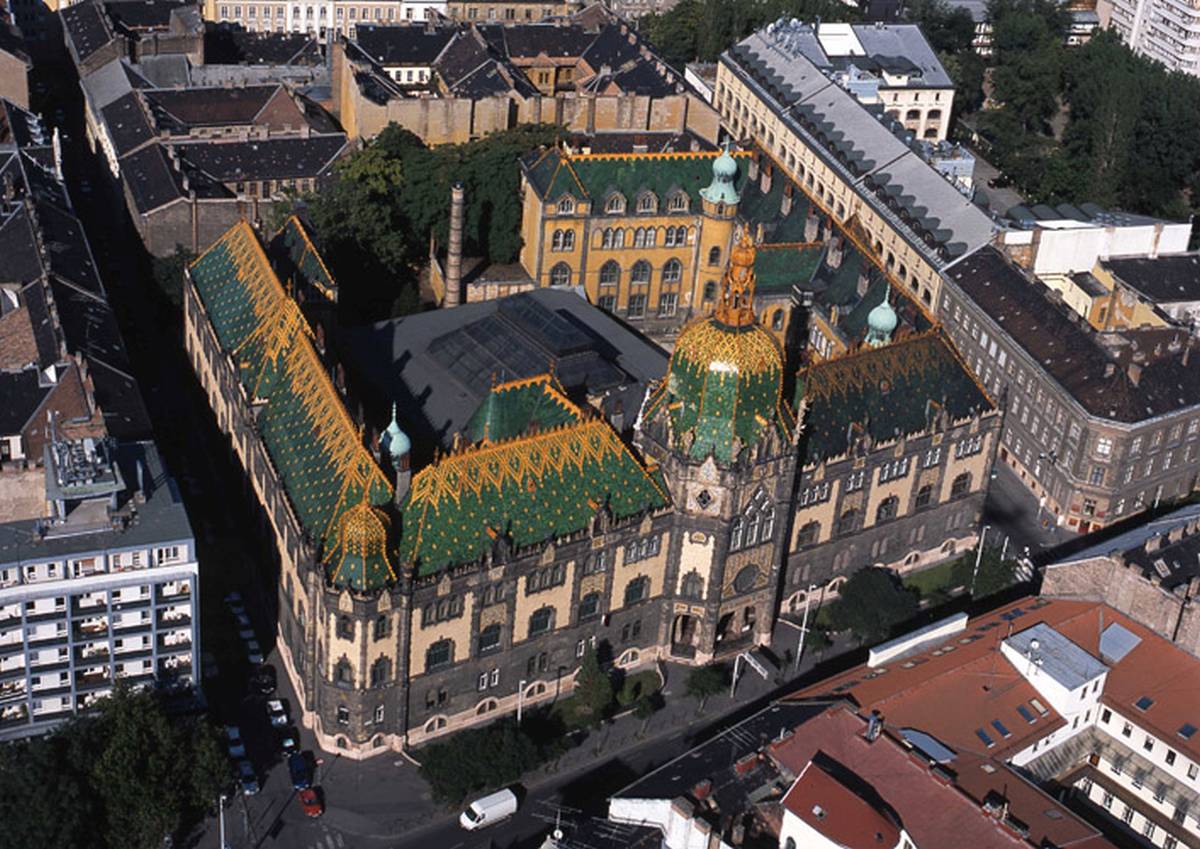
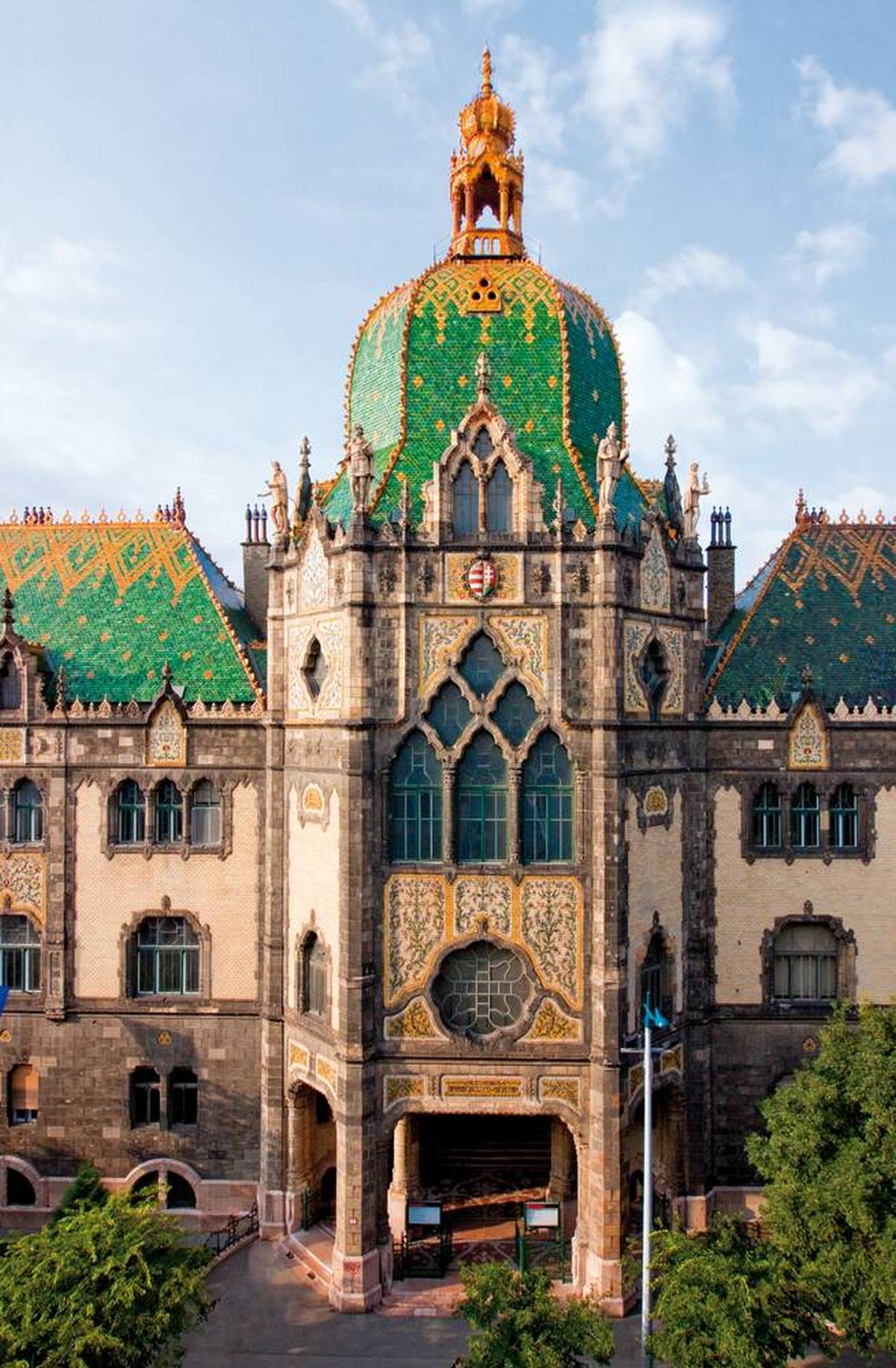
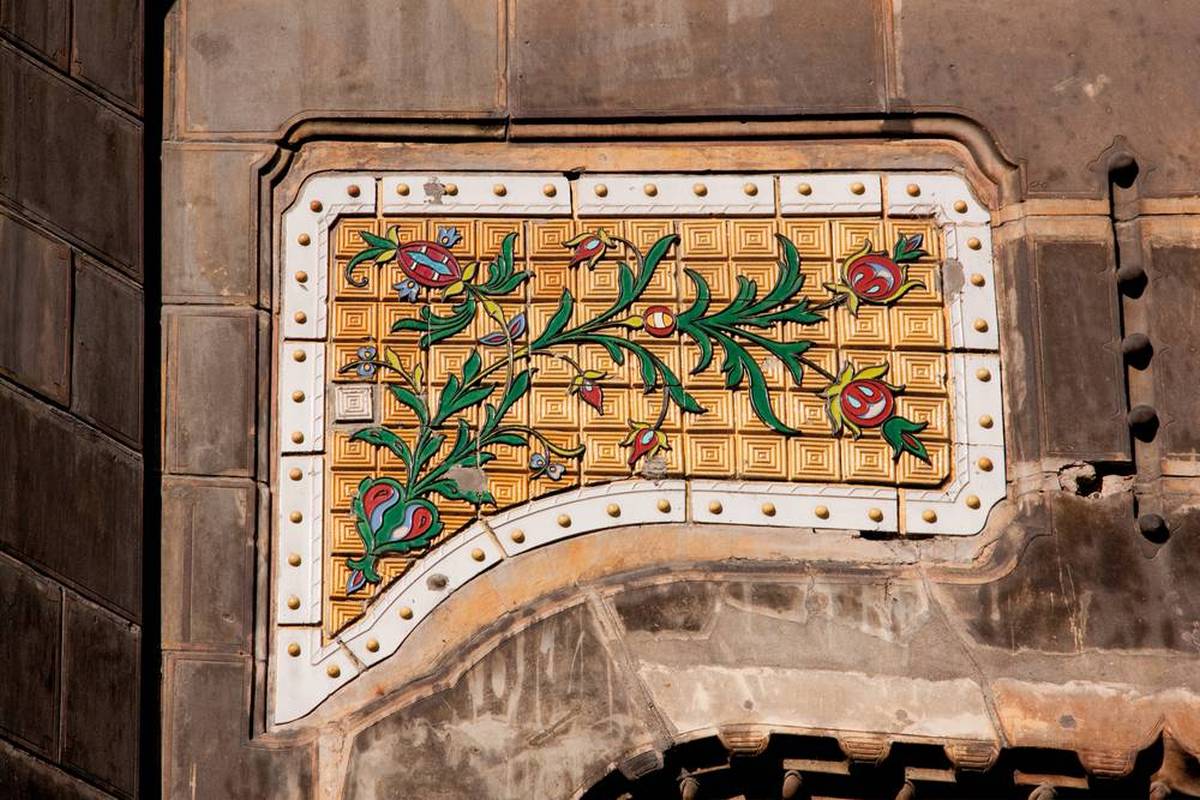
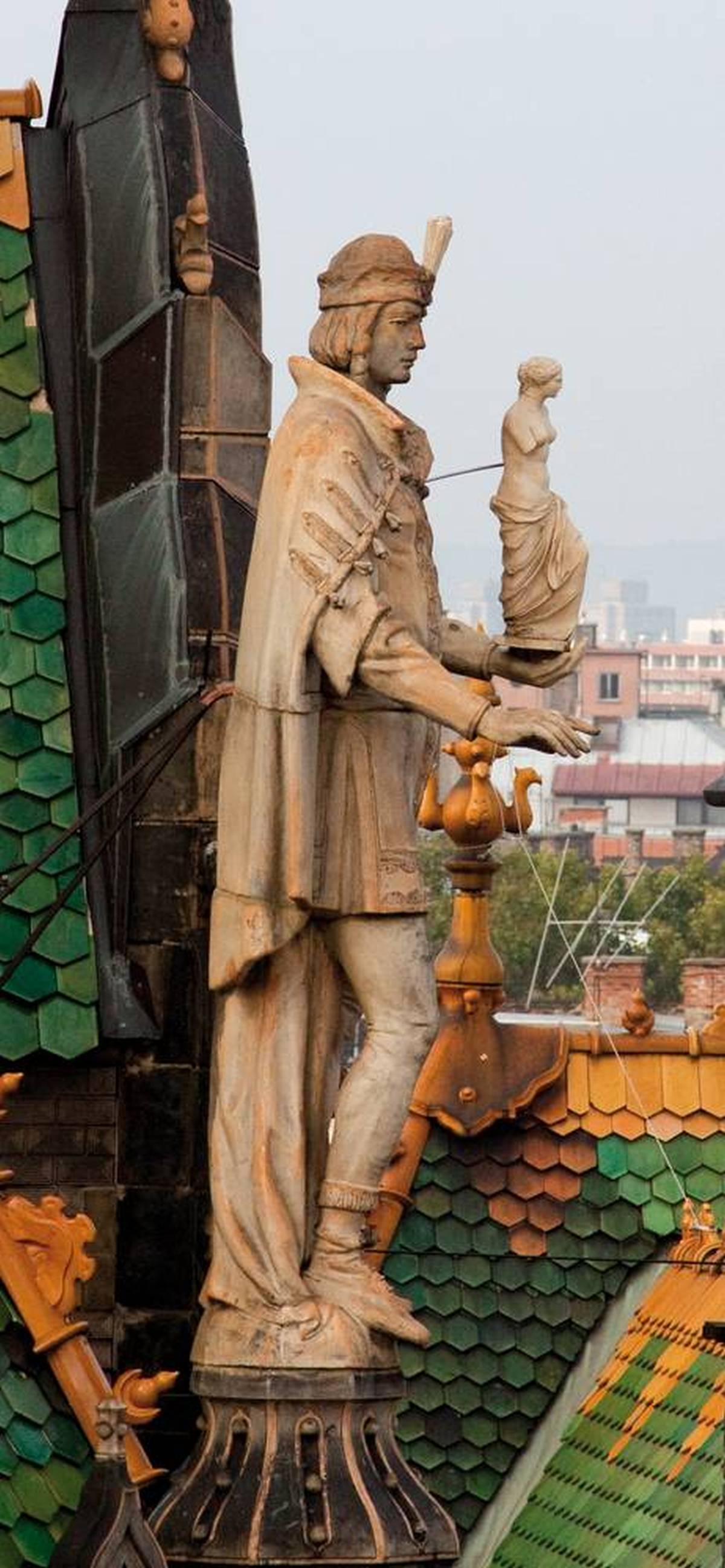
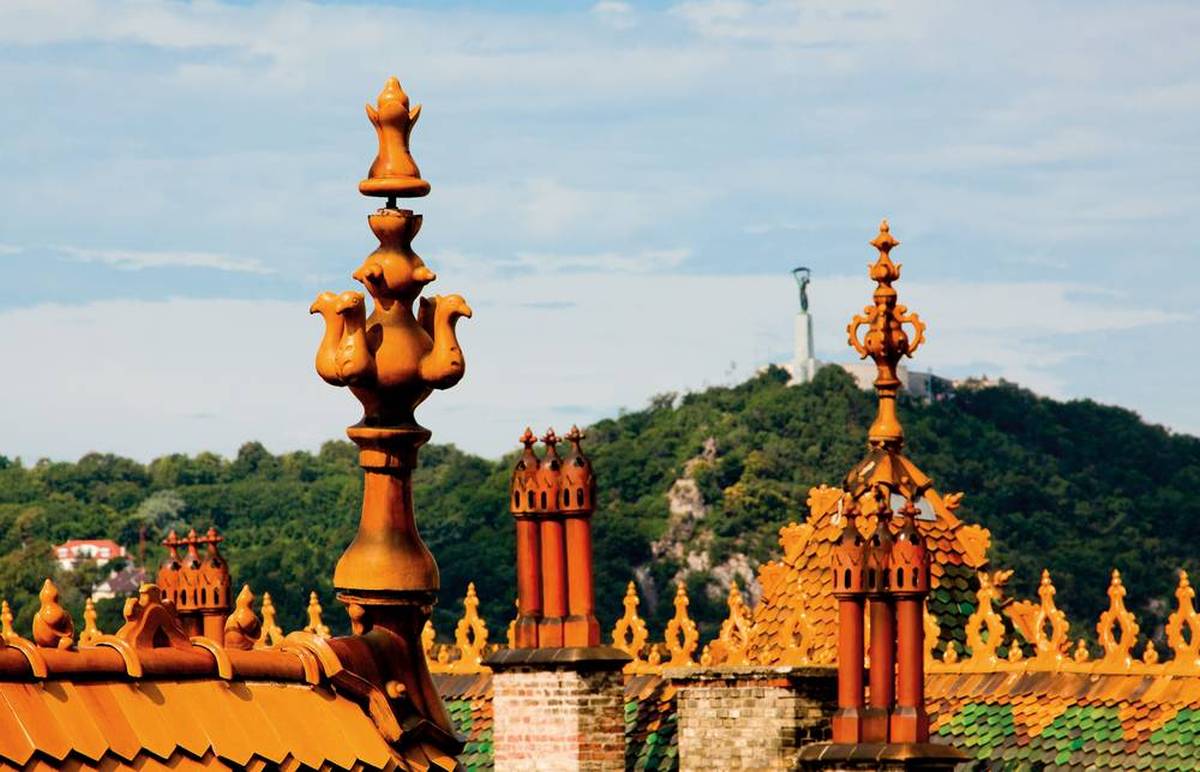
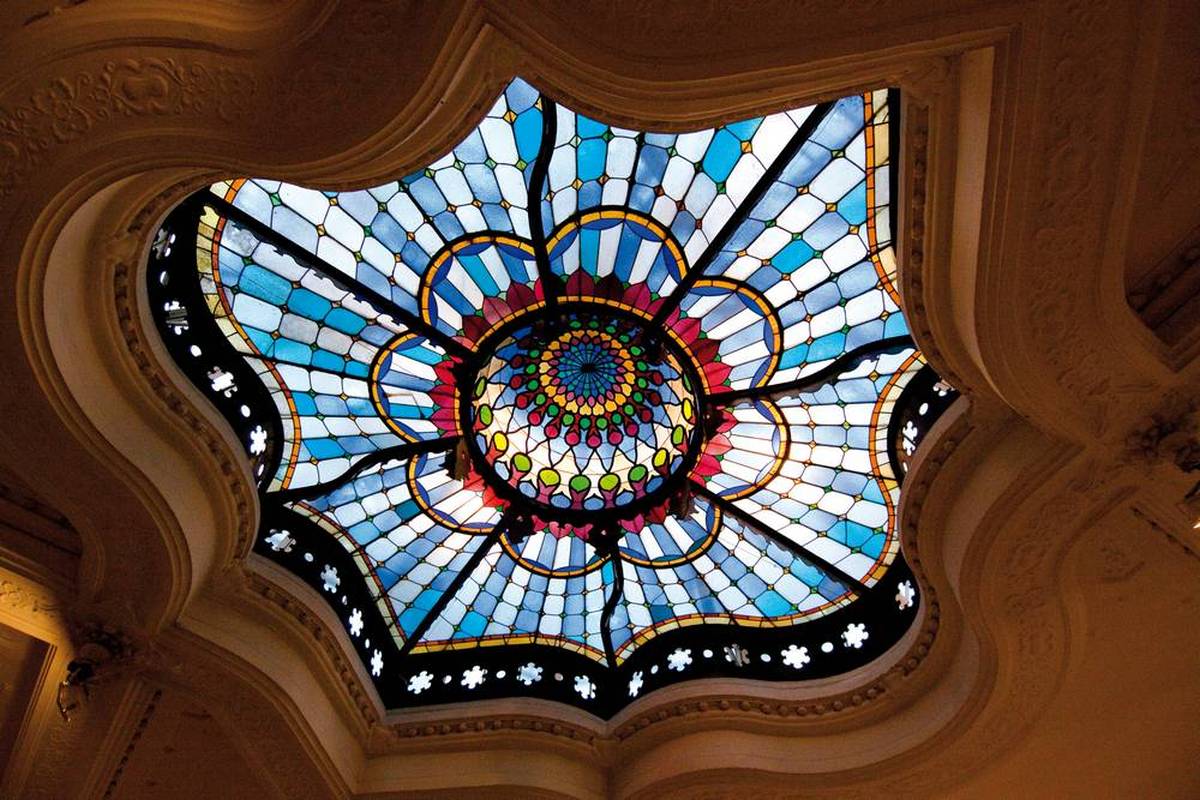
Every detail of the museum was considered unique. Even from the outside, it stood in stark contrast to the public buildings of Budapest at the time. The roof covered with greenish-yellow Zsolnay tiles, the colorful dome, the ceramic decorations, and the undulating facade forms were more reminiscent of an Eastern palace than a traditional museum. Inside, an even more spectacular world awaited visitors. The vast glass hall, surrounded by a two-story arcade, was bathed in natural light, and decorative paintings and ornamentation covered nearly every surface.
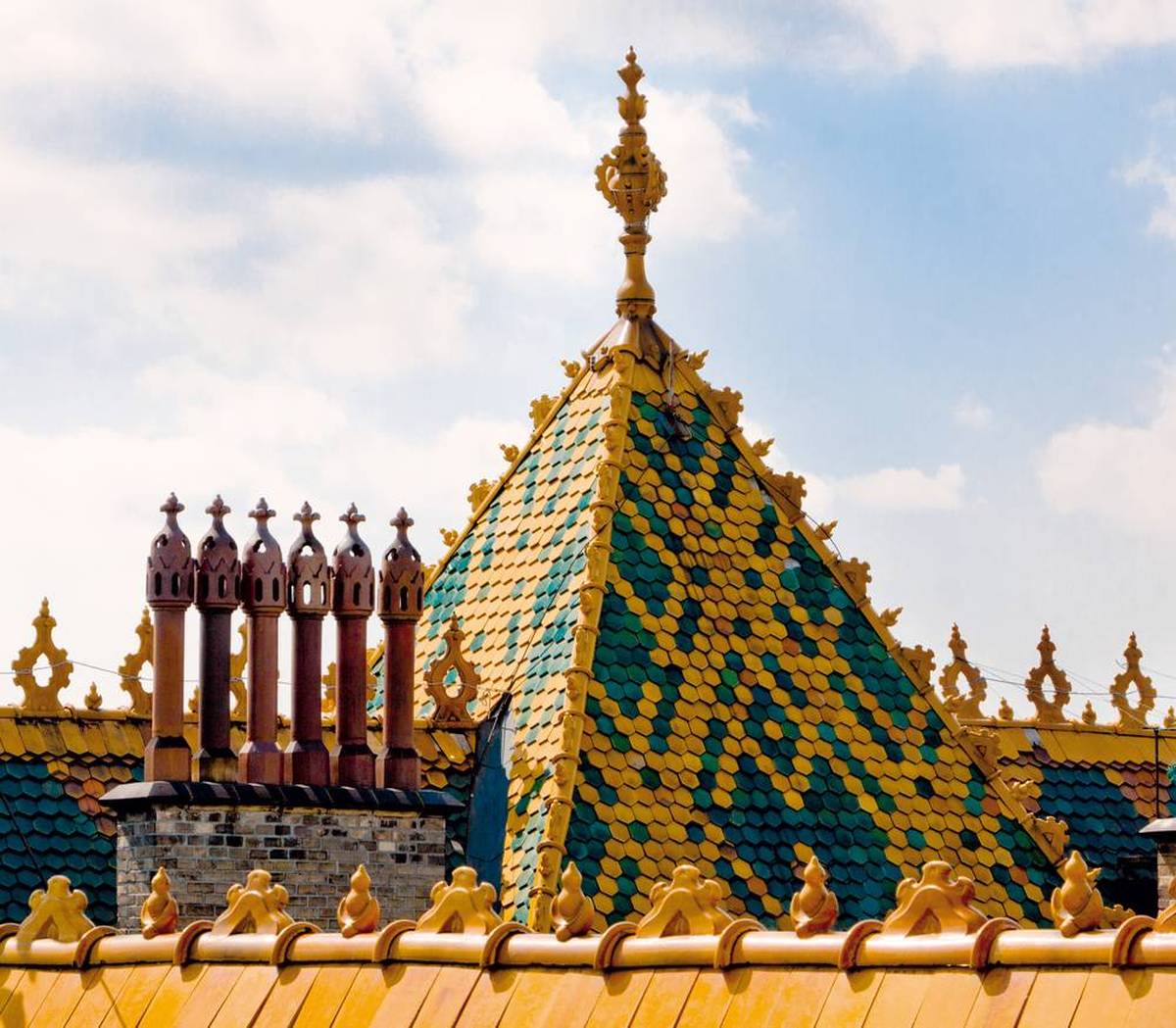
The Zsolnay factory not only produced the exterior ceramic cladding but also many of the building’s decorative elements. Pyrogranite technology was considered a technical innovation at the time, and the Museum of Applied Arts was one of the first buildings where it was used on such a grand scale.
Before designing the building, Lechner also took a study trip to London to learn about the operations of the Victoria & Albert Museum. He wanted to design not only a spectacular building but also a modern, well-functioning museum.
The building that divided contemporary opinions
When the Museum of Applied Arts opened in 1896 in the presence of Franz Joseph, the public both admired and criticized the building.
Many considered it a masterpiece.
Others found it too ornate, too unusual, or simply “not European enough.”
The international professional community, however, received Lechner’s work with great interest. The building quickly became one of the most important works of early European Art Nouveau. Moreover, the museum served not only as an exhibition space. The building also housed a school, a library, and workshops, functioning as a true center for the arts.
Wars, damage, and lost ornaments
The 20th century took a heavy toll on the building. During World War II, the museum was hit by bombs and shelling. The dome was damaged, the roof structure of the glass hall was destroyed, and many decorative elements were lost or destroyed.
Although reconstruction took place relatively quickly, not every detail was restored to its original form. Most of the former colorful interior paintings were simplified or completely removed.
Further modifications were made during the renovations of the 1950s and 1960s. Meanwhile, the building’s condition continued to deteriorate. Rising groundwater levels caused by subway construction damaged the foundations, the roof structure leaked in several places, and the dome eventually became a safety hazard. By 2011, even the iconic lantern had to be removed.
The museum, which is still awaiting renovation
The Museum of Applied Arts closed in 2017. The plan was to complete a full renovation over the course of a few years, featuring new exhibition spaces, modern museum infrastructure, and the addition of the long-missing wing on Hőgyes Endre Street. The goal was for the museum to once again become one of Europe’s leading institutions of applied arts.
However, the renovation has been delayed ever since.
While the building’s condition continues to deteriorate, the Museum of Applied Arts remains one of Budapest’s most powerful architectural symbols to this day. Many consider it Ödön Lechner’s greatest work—the building where the distinct language of Hungarian Art Nouveau first truly took shape.
Although its doors are currently closed, its history lives on in the domes rising above Üllői út, in the Zsolnay decorations, and in one of Budapest’s most unique architectural legacies.
Source of images: Museum of Applied Arts
Facts
Constructed Stories was created by