Parliament Building
From Garbage Dump to National Landmark
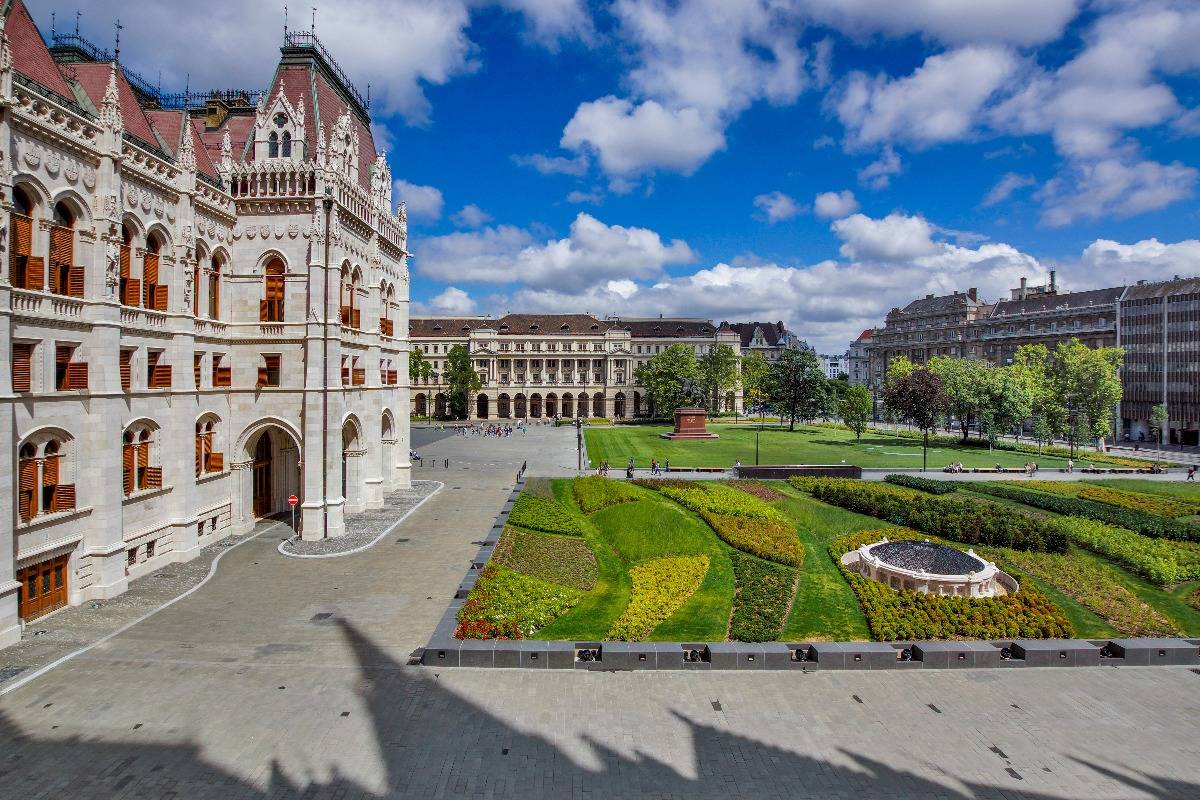
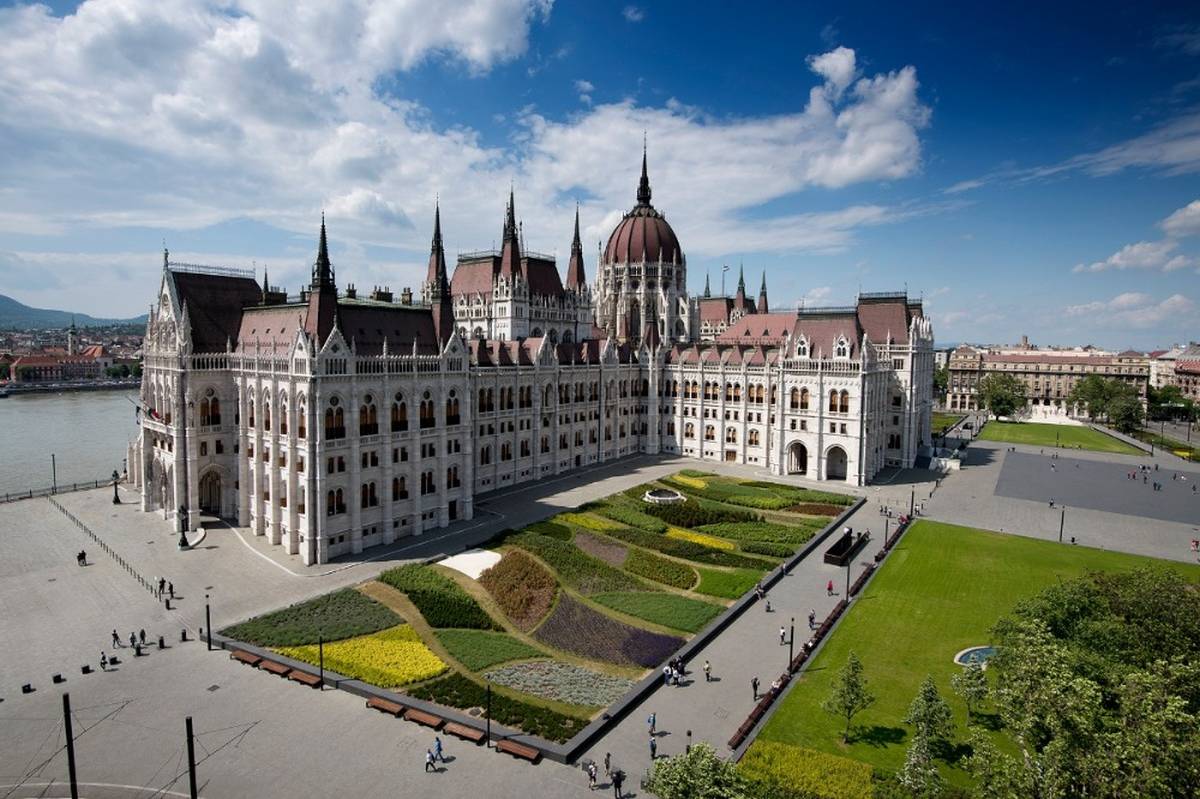
Today, it is almost impossible to imagine the Danube embankment in Budapest without the Parliament Building. The massive dome, the lace-like towers, and the facade rising above the Danube are so integral to the city’s skyline that it seems as though it has always stood there. Yet, a completely different world once greeted people where Kossuth Square stands today.
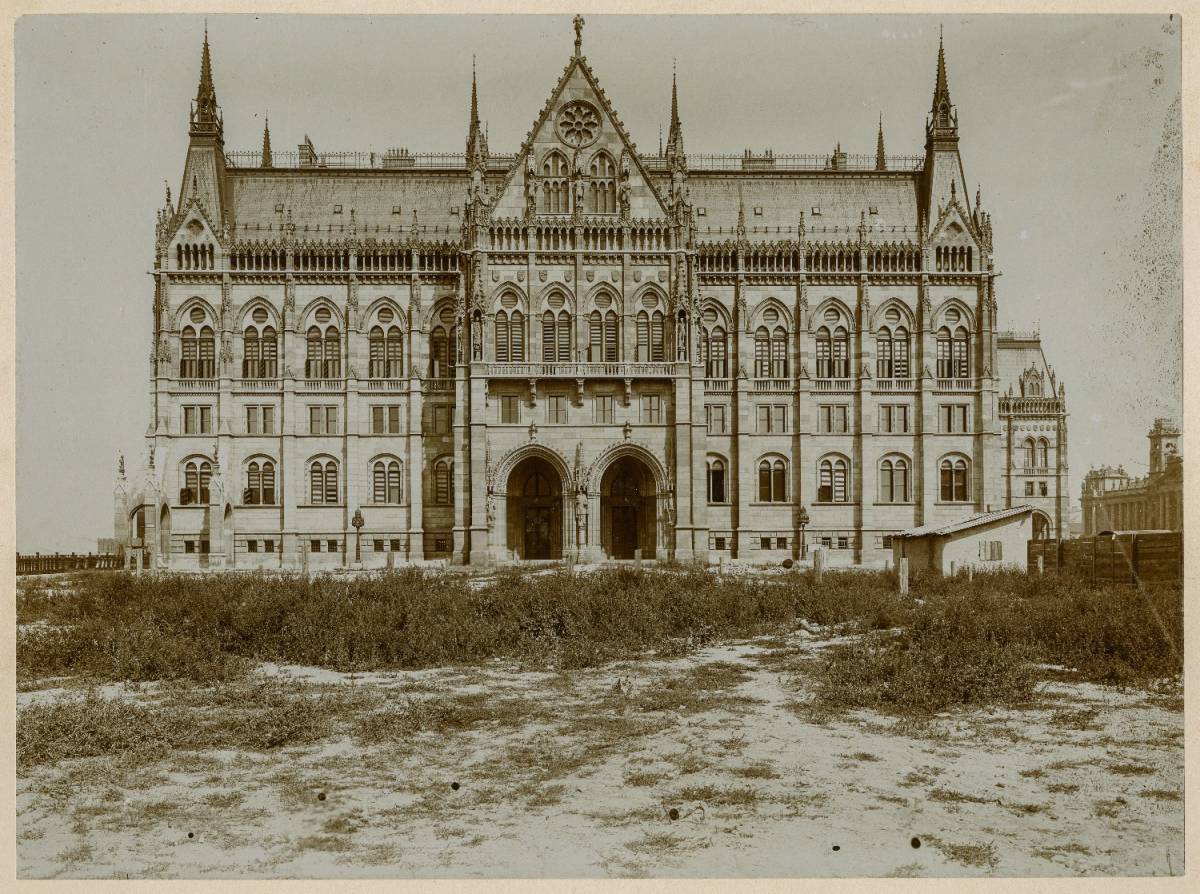
In the 18th and 19th centuries, there was still a huge pit here, which the city of Pest used as a landfill. For decades, the city’s waste was brought here, and the area was gradually filled in. This is where the neighborhood’s old name came from: Tömő Square. At that time, the Danube embankment was a far cry from today’s elegant cityscape: military warehouses, shipping offices, waterworks, and steam mills operated here, and for a long time, the area was considered more of a city outskirt.
By the second half of the 19th century, however, Budapest had embarked on rapid development. The city’s leaders and the Hungarian state envisioned a prestigious Danube waterfront worthy of Europe’s major cities. Thus was born the idea that Hungary’s new parliament should be built precisely on this neglected stretch of the riverbank. The Parliament Building thus became not only a public building but also a symbol of the transformation of an entire district.
More
A legend also spread during that era, claiming that the building was intentionally positioned so that the ruler, upon stepping out of Buda Castle, would first see the monumental mass of the Parliament Building, serving as a reminder that power is exercised together with the nation.
A nation dreams of its own parliament
For a long time, the Hungarian National Assembly had no permanent home. The legislature had previously met in Pozsony, and later operated from temporary venues in Pest-Buda, such as the National Museum, the Vigadó, or various rented buildings.
The idea of a separate parliament building had already emerged during the Reform Era. Mihály Pollack also drew up plans for a parliament building, but these were never realized. The first design competition was announced in 1844, but the 1848–49 Revolution and War of Independence interrupted the process, and a significant portion of the plans was lost.
By the 1860s, the need to construct a modern parliamentary building had become increasingly urgent. In 1865, a temporary House of Representatives was built in record time on today’s Bródy Sándor Street based on plans by Miklós Ybl. The building, which still stands today, currently houses the Italian Cultural Institute. Even then, however, it was clear that Hungary would sooner or later need a monumental, permanent parliament building.
The decision was finally made in 1880. The National Assembly passed a law mandating the construction of the new parliament on Tömő Square. Many people disputed the location.
They considered the marshy area along the Danube too far away, too expensive, and too problematic. In the end, however, one of Budapest’s largest construction projects began here.
The competition that changed the landscape of Budapest
Nineteen architectural designs were submitted to the design competition announced in 1881. The most prominent Hungarian and international architects of the era submitted entries: Alajos Hauszmann, Otto Wagner, Albert Schickedanz, and other renowned designers also presented their own concepts.
The winner was ultimately Imre Steindl with his monumental Neo-Gothic design.
The choice was no accident. The political elite of the era viewed the English parliamentary system as a model, and the neo-Gothic world of London’s Palace of Westminster had a profound influence on decision-makers. Steindl, however, created a completely unique building in which Baroque spatial organization, monumental massing, and neo-Gothic detailing fused into a distinctive unity.
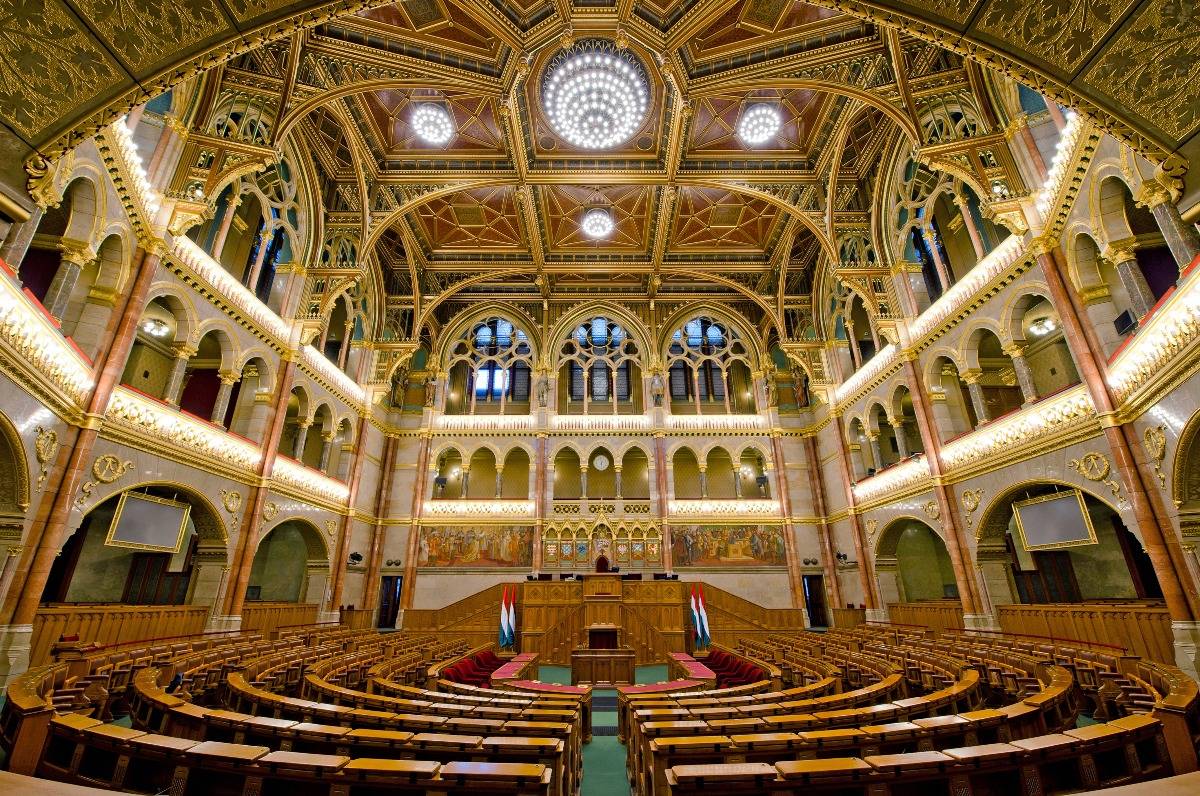
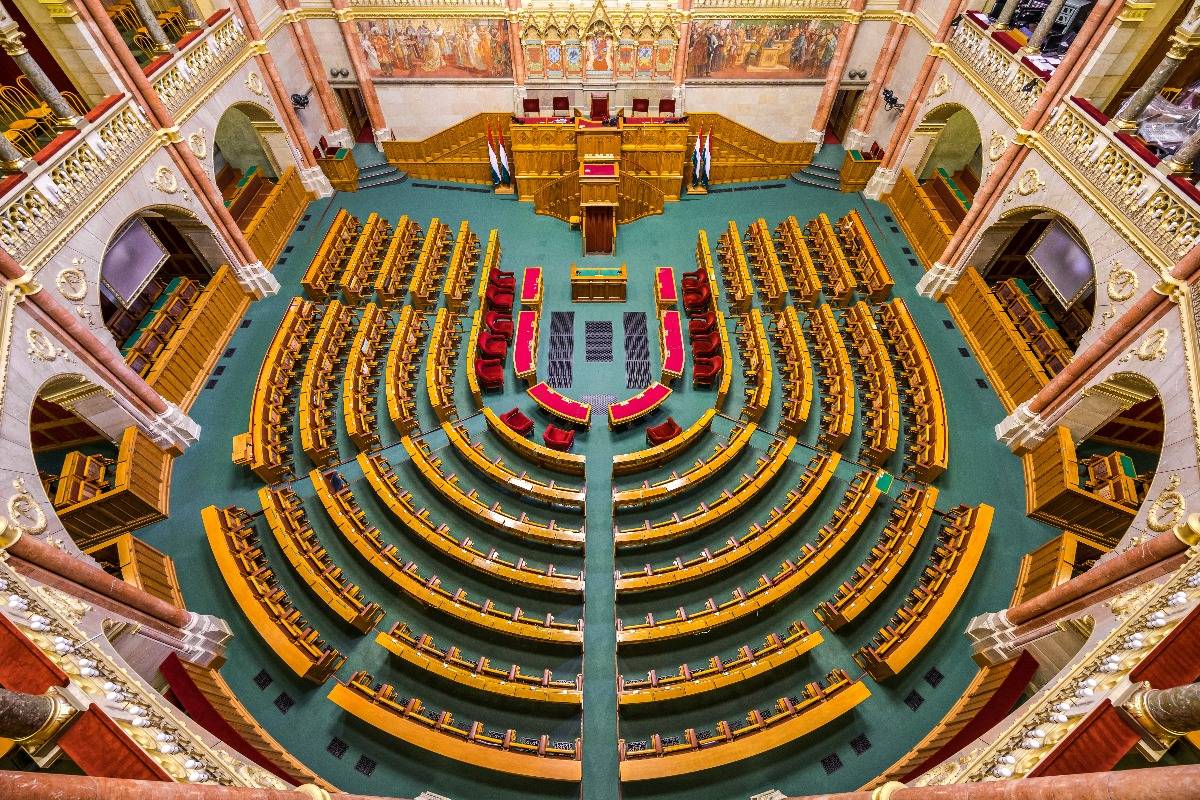
The Parliament Building became completely symmetrical. The former Lower House and Upper House chambers, which are mirror images of each other, were placed on either side of the central dome. The dome became not only the architectural center but also an element of symbolic significance: it symbolized national unity and the shared space of the legislature.
Seventeen years of construction
Construction began in 1885, and it became clear from the very start that an extremely complex task awaited the builders. Due to the proximity of the Danube and the high water table, massive foundation work was required. More than 176,000 cubic meters of earth were moved, the ground was reinforced with larch piles, and then a concrete layer covering nearly 20,000 square meters was formed beneath the building. For the time, this was an astonishing feat of engineering—especially since almost all the work was done by hand. The concrete was transported by horse-drawn carts, mixed by hand, and tamped down.
During construction, approximately 40 million bricks, half a million decorative stones, and nearly 40 kilograms of 22- to 23-karat gold were used. An average of 1,000 people worked on the building for nearly two decades.
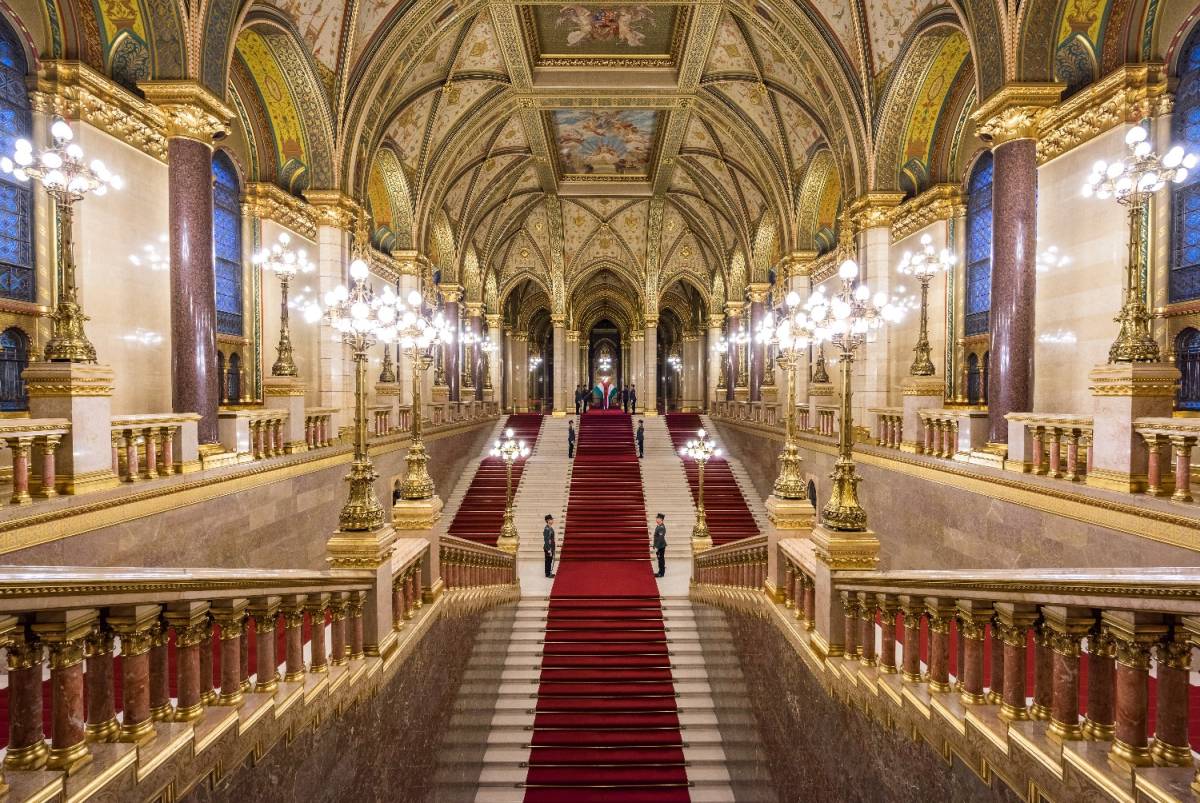
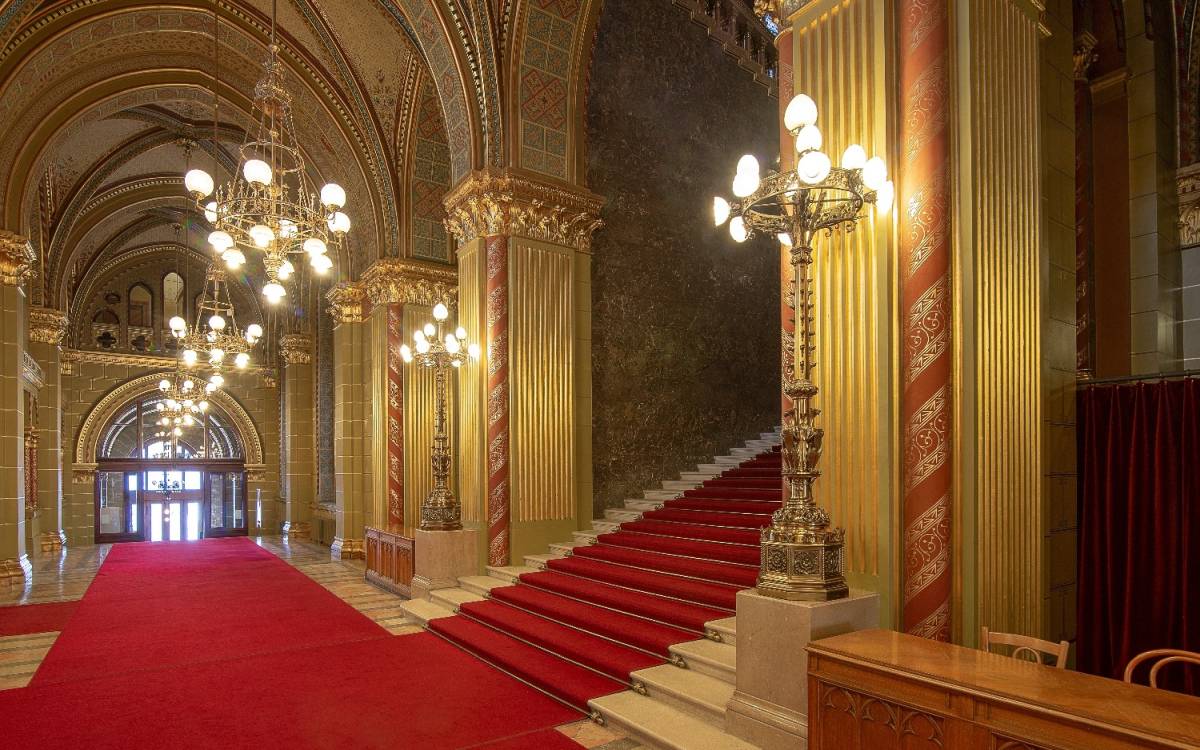
There was a specific requirement that the Parliament Building be constructed primarily from Hungarian materials and with the involvement of domestic craftsmen. Only the monumental granite columns of the main staircase were imported from Sweden. Interestingly, a total of twelve such columns were produced worldwide: eight went to Budapest, and four to the British Parliament in London.
According to the original plans, the building was supposed to be fully completed in time for the 1896 millennium celebrations. This ultimately proved impossible, so the work was rescheduled. First, the exterior facade and the dome were completed so that the Parliament Building would appear finished from the outside for the celebrations, while work continued inside for years to come.
A Palace of Details
The dimensions of the Parliament Building remain impressive to this day. The building is 268 meters long, 123 meters wide, and its dome is 96 meters high—a figure that symbolically refers to the year 896, the year of the Hungarian conquest.
The building features 27 gates, 29 staircases, 13 elevators, and a total of 691 rooms. The facade and interior spaces are adorned with hundreds of sculptures, each detail carrying its own meaning. Poppy capsules, sheep’s-head flowers, and daisies appear on the balustrades, and motifs from Hungarian flora are found throughout the entire building.
The most prominent Hungarian artists of the era contributed to the design of the interior spaces. Károly Lotz’s frescoes, Miksa Róth’s stained-glass windows, Róbert Scholtz’s decorative paintings, and the ceramic decorations from the Zsolnay factory all contributed to making the Parliament Building not just a political center, but a work of total art.
Imre Steindl supervised the construction with extreme rigor. For him, the Parliament Building was not simply a building, but a single grand entity where every detail had to serve the same architectural vision.
The Parliament Building Today
Today, the Parliament Building is one of Hungary’s most famous buildings and one of Budapest’s most visited historical sites. Since 2001, the Hungarian coronation regalia—including the crown, the orb, and the royal scepter—have been kept in the Dome Hall.
Today, visitors can tour the Grand Staircase, the Dome Hall, the former Upper House chamber, and exhibitions related to the history of the National Assembly.
The Parliament Building is thus not only the home of Hungarian legislation but also one of Budapest’s most powerful architectural symbols-a building that literally rose from a former garbage dump to become one of Europe’s most famous parliamentary palaces.
Image sources: Parliament’s official website, Géza Kurka photography
Facts




Constructed Stories was created by