Groupama Arena
The stadium that shapes the identity of Ferencvárosi Torna Club
Few stadiums are as closely tied to a club’s identity as Groupama Arena is to Ferencváros.
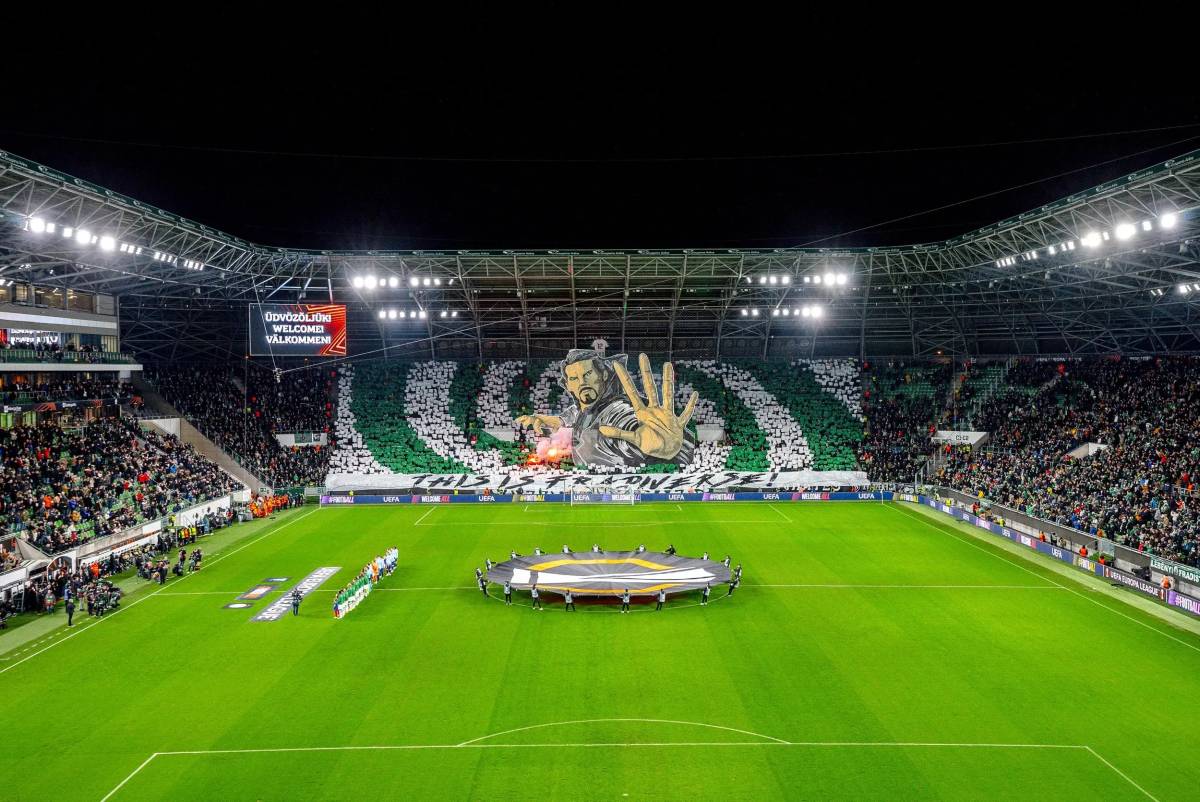
The stadium on Üllői út has been one of the most famous venues in Hungarian soccer for over a century—generations have grown up here watching legendary matches, league titles, and European cup battles.
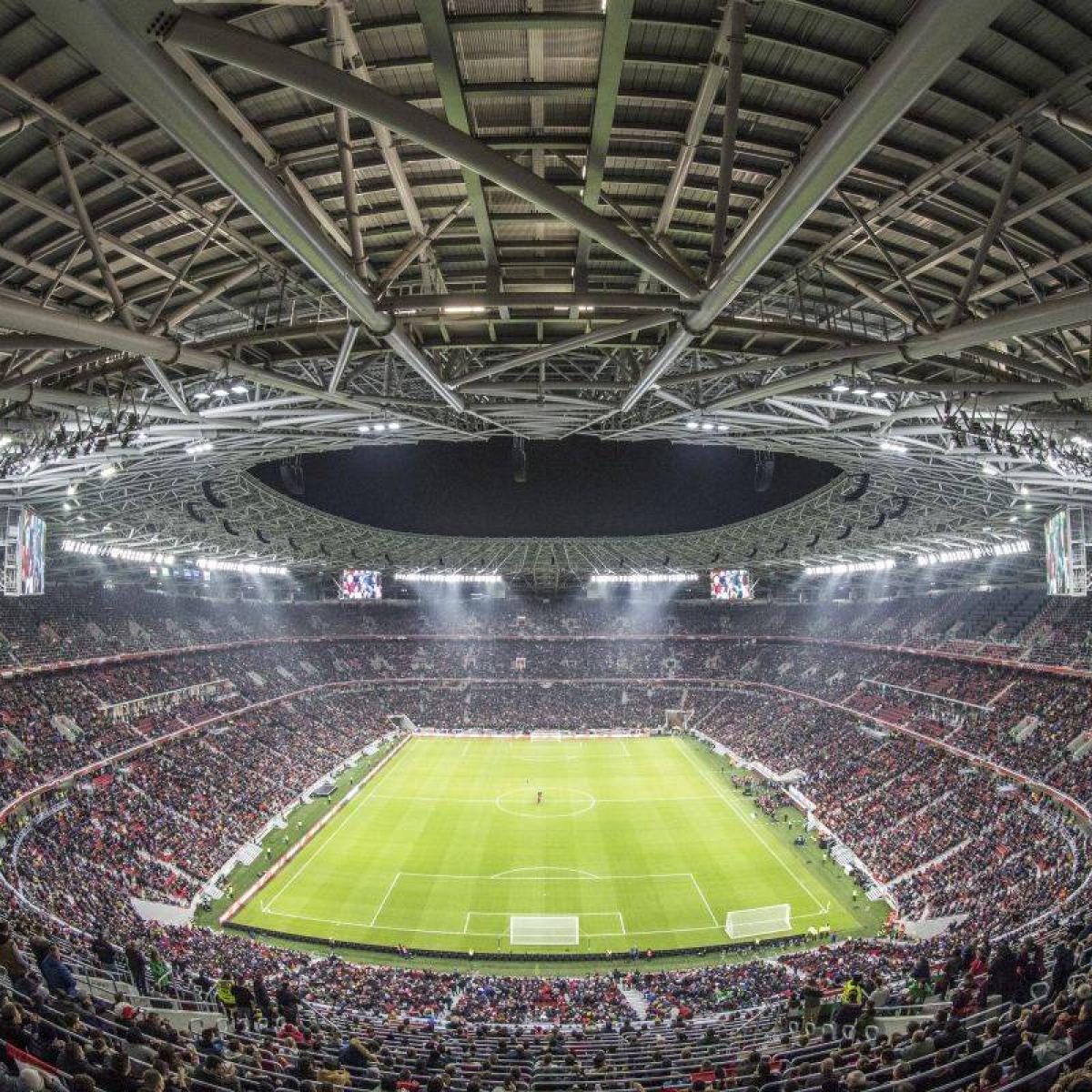
Groupama Arena as we know it today opened its doors in 2014 and, in a short time, became not only the new home of Ferencvárosi TC but also one of the most important milestones in the country’s stadium construction program. With a capacity of over 22,000, the facility is now one of Hungary’s most modern soccer stadiums, regularly hosting not only sporting events but also concerts, business events, and community programs.
In 2015, the stadium won The Stadium Business Awards in the newly built stadiums category, thereby gaining international recognition for the project’s architectural and operational standards.
The Legacy of Üllői út
The story began long before Groupama Arena.
MORE
The original Ferencváros stadium was opened on Üllői út in 1911 and soon became one of the iconic venues of Hungarian soccer. Over the decades, the stadium underwent several renovations while maintaining its special connection with Ferencváros fans and the club’s history.
The former stadium was later named after Albert Flórián—in memory of the club’s legendary Golden Ball winner. The Üllői út stadium was thus not only a sports venue but also one of the strongest symbols of Fradi’s identity.
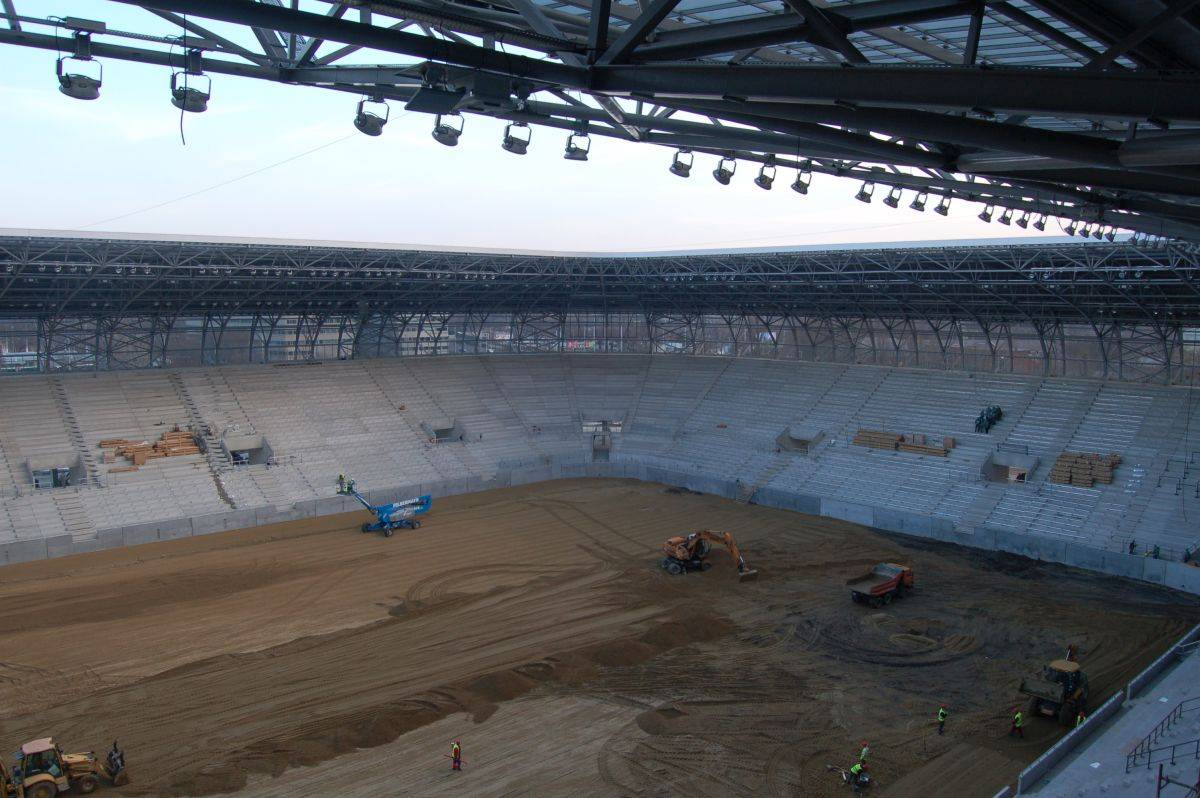
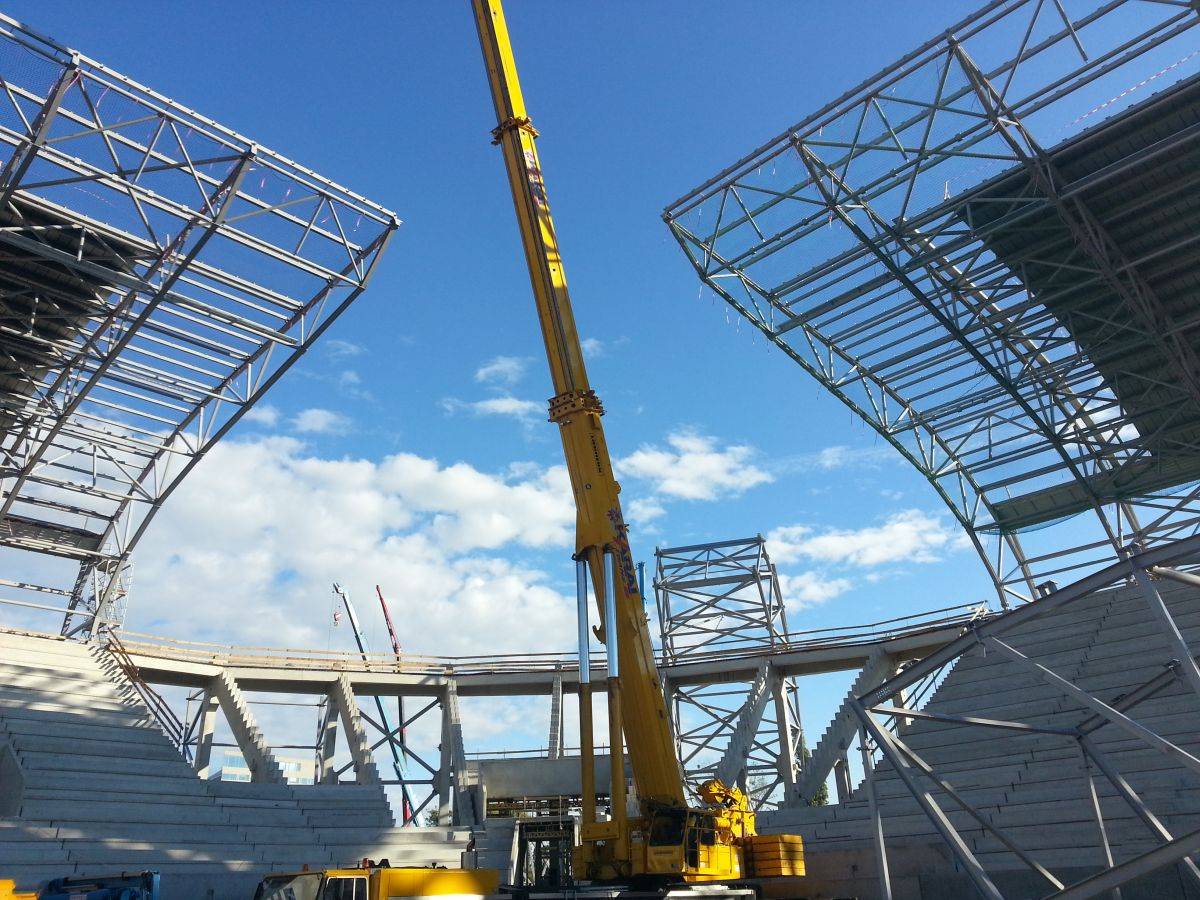
When construction of the new stadium began in 2013, the goal was not merely to create a modern arena. Groupama Arena was ultimately completed at an extremely rapid pace, in just 14 months, and opened its doors in August 2014.
The Architecture of Groupama Arena
The architectural plans for Groupama Arena were designed by György Skardelli.
In the stadium’s design, functionality, the spectator experience, and integration with the urban environment all played an important role. In addition, special attention was paid to security, state-of-the-art access control systems, spectator comfort, and multifunctional usability.
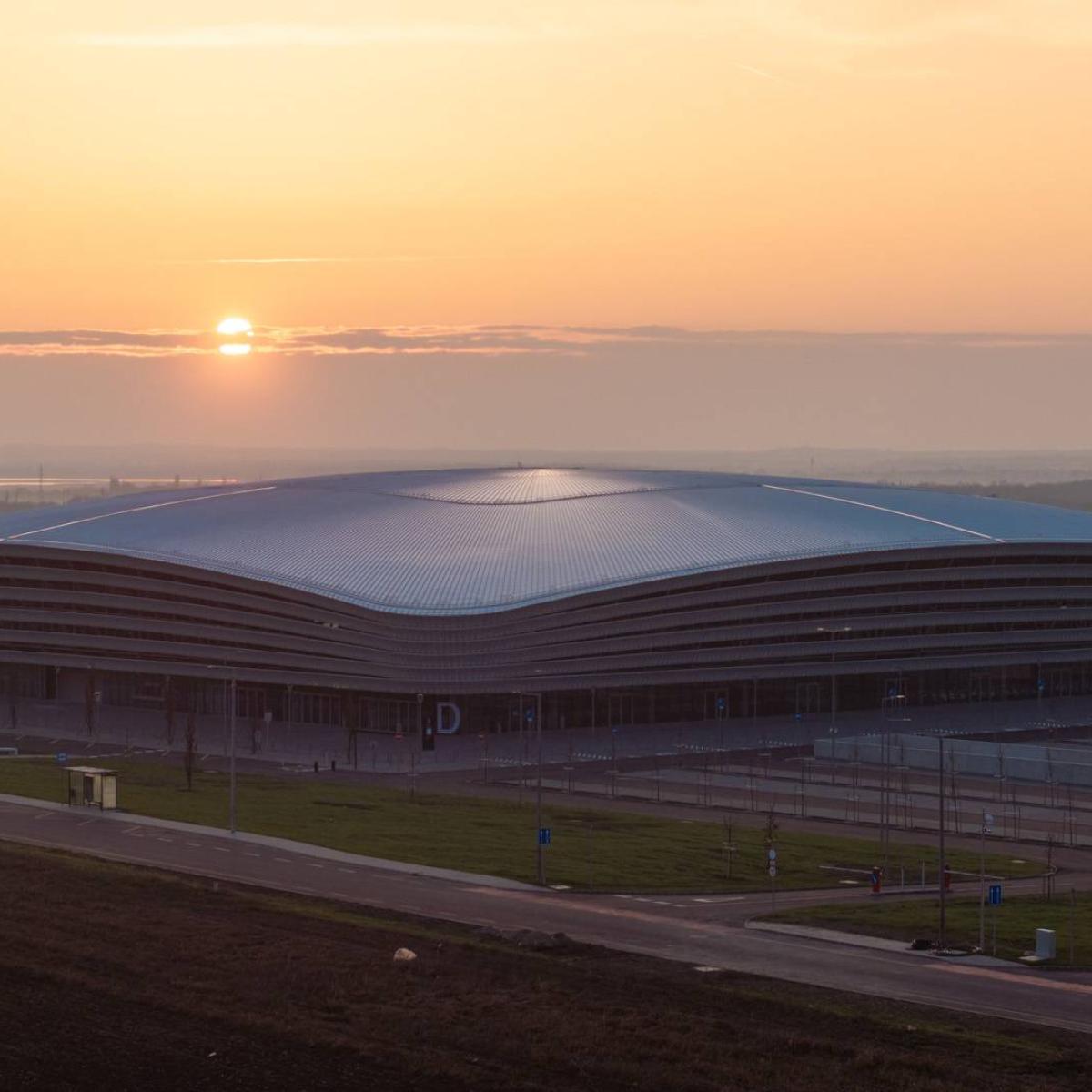
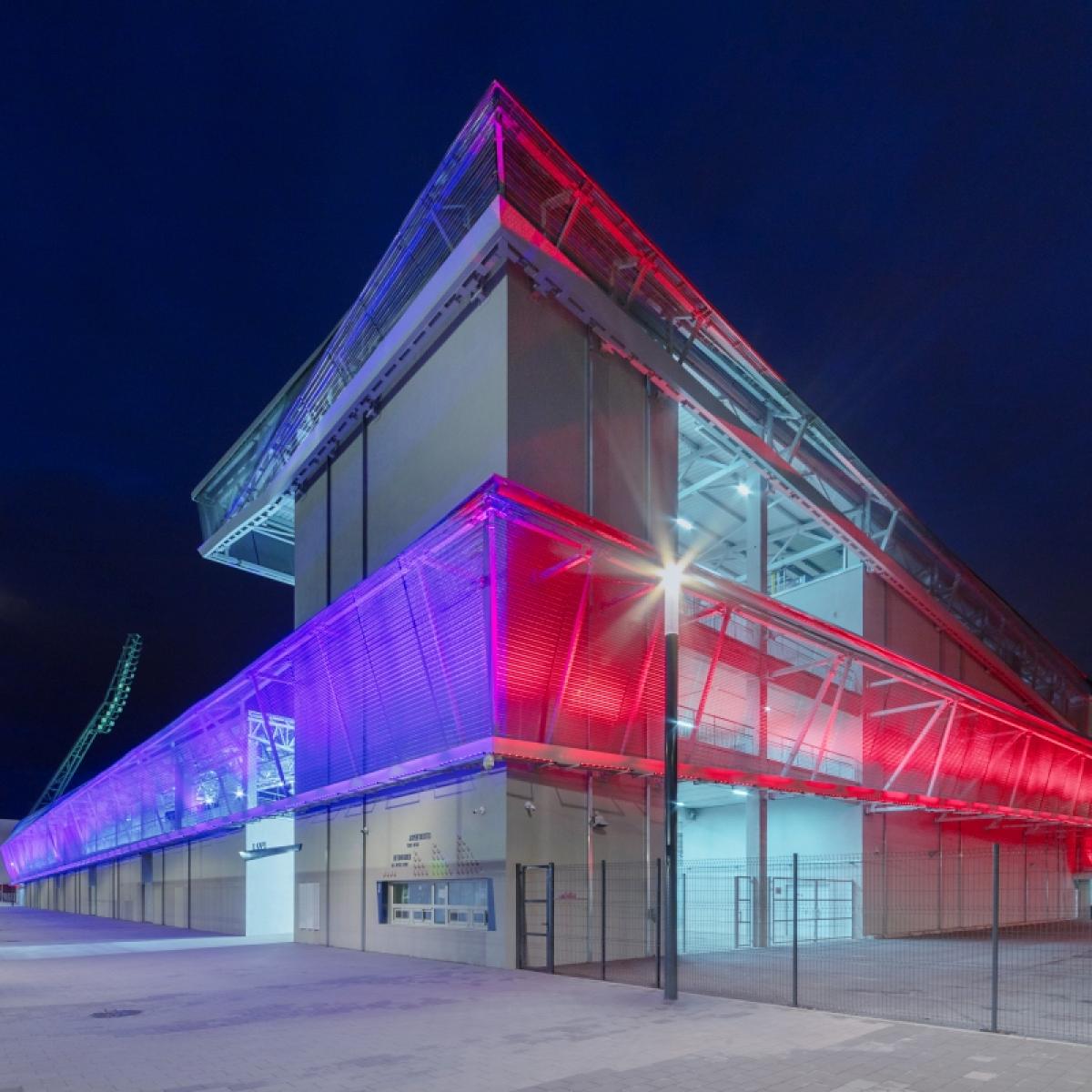
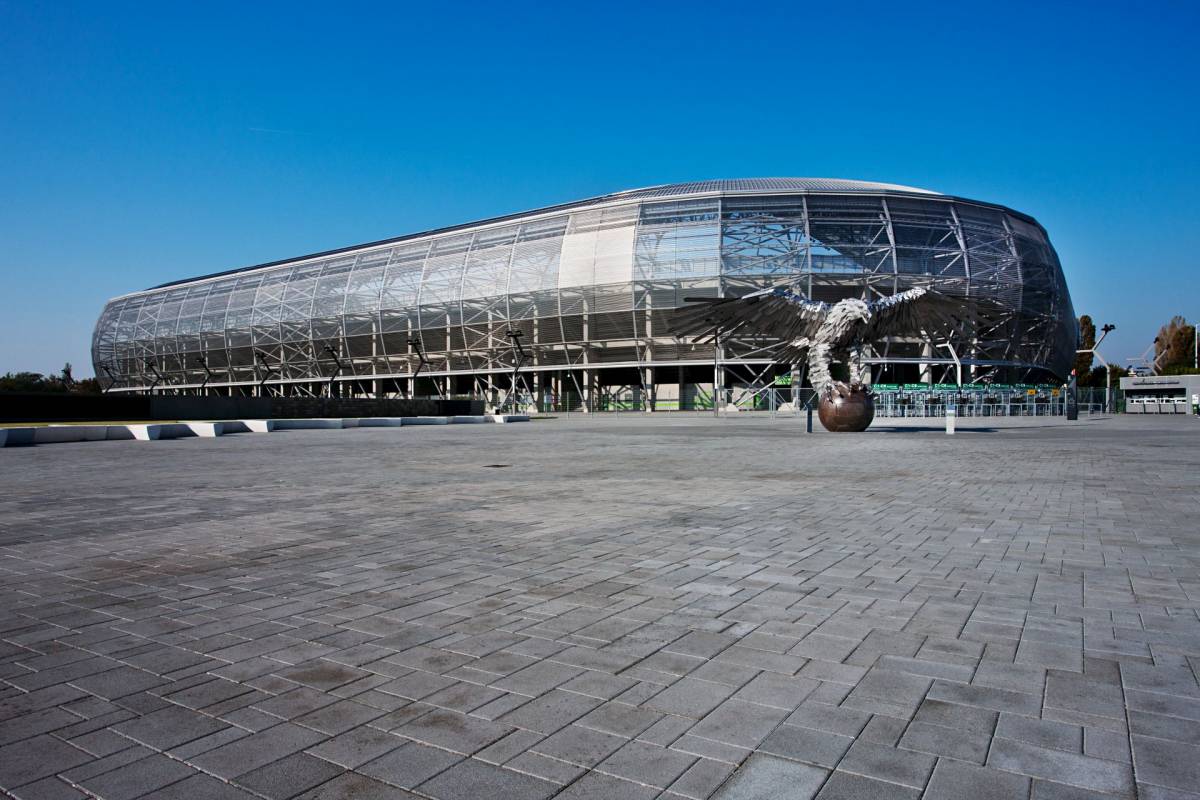
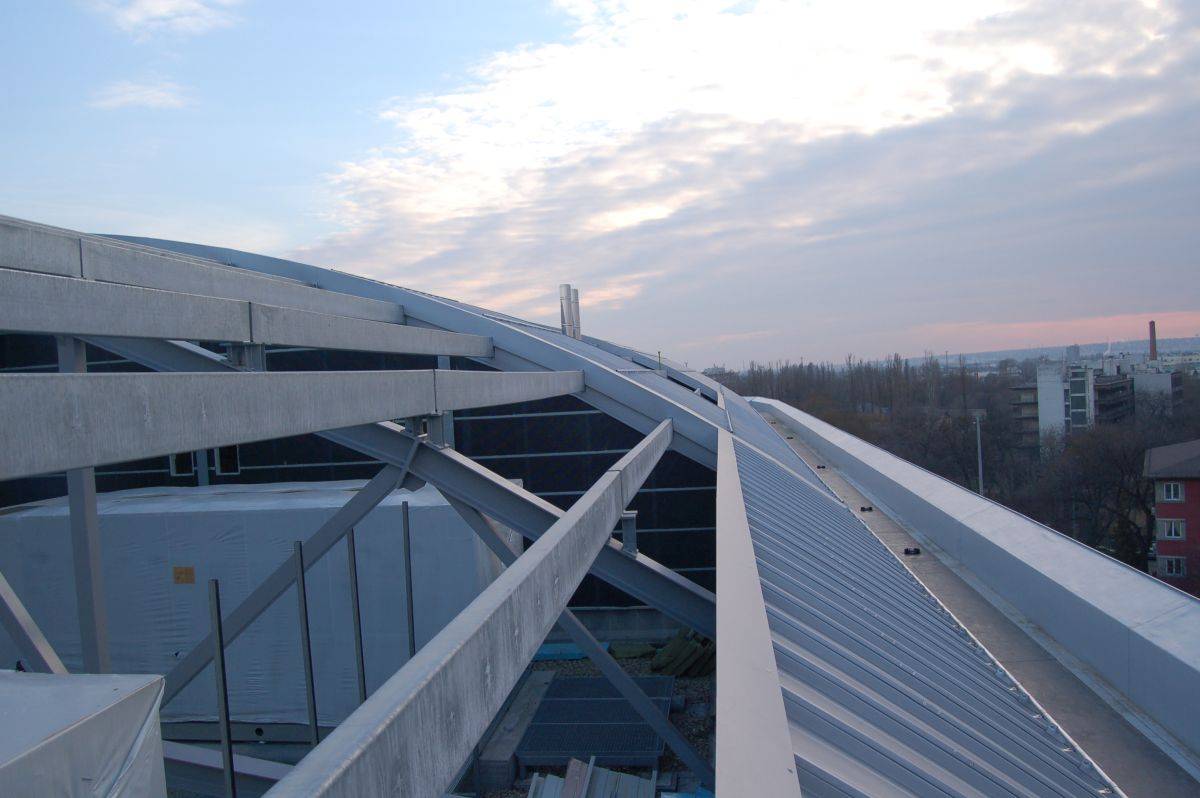
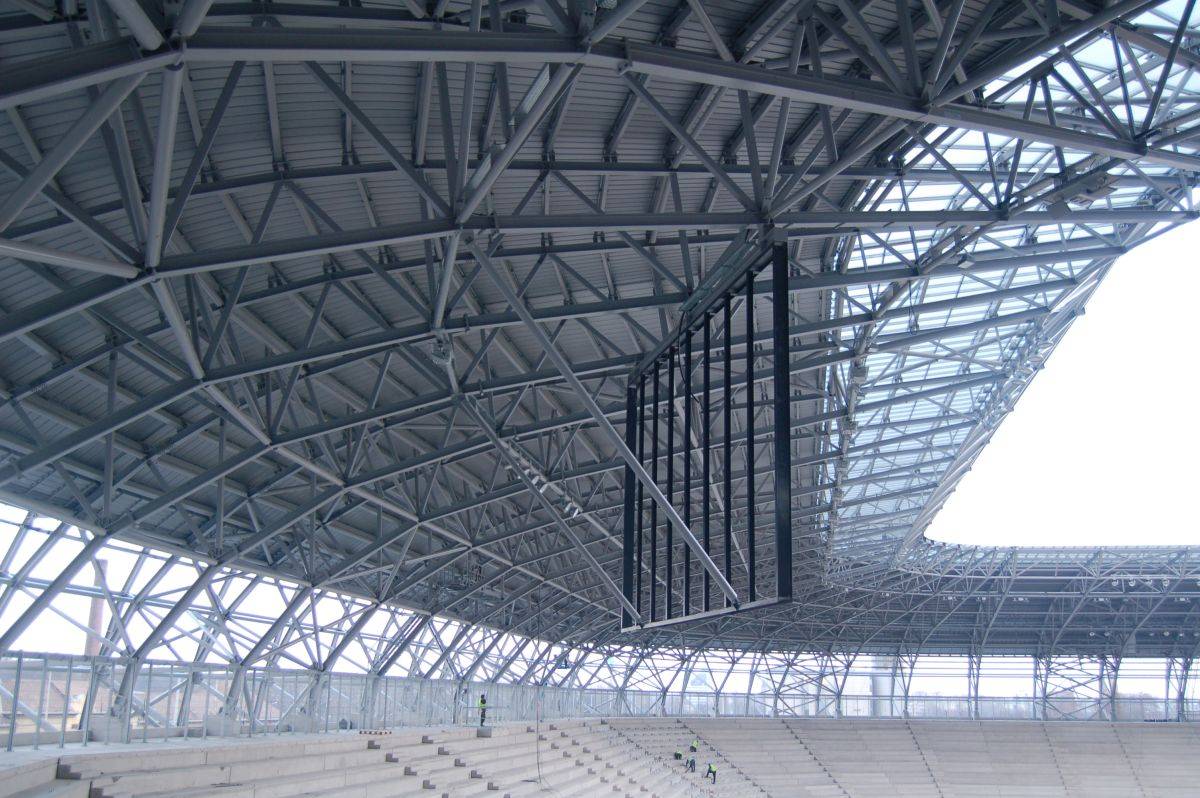
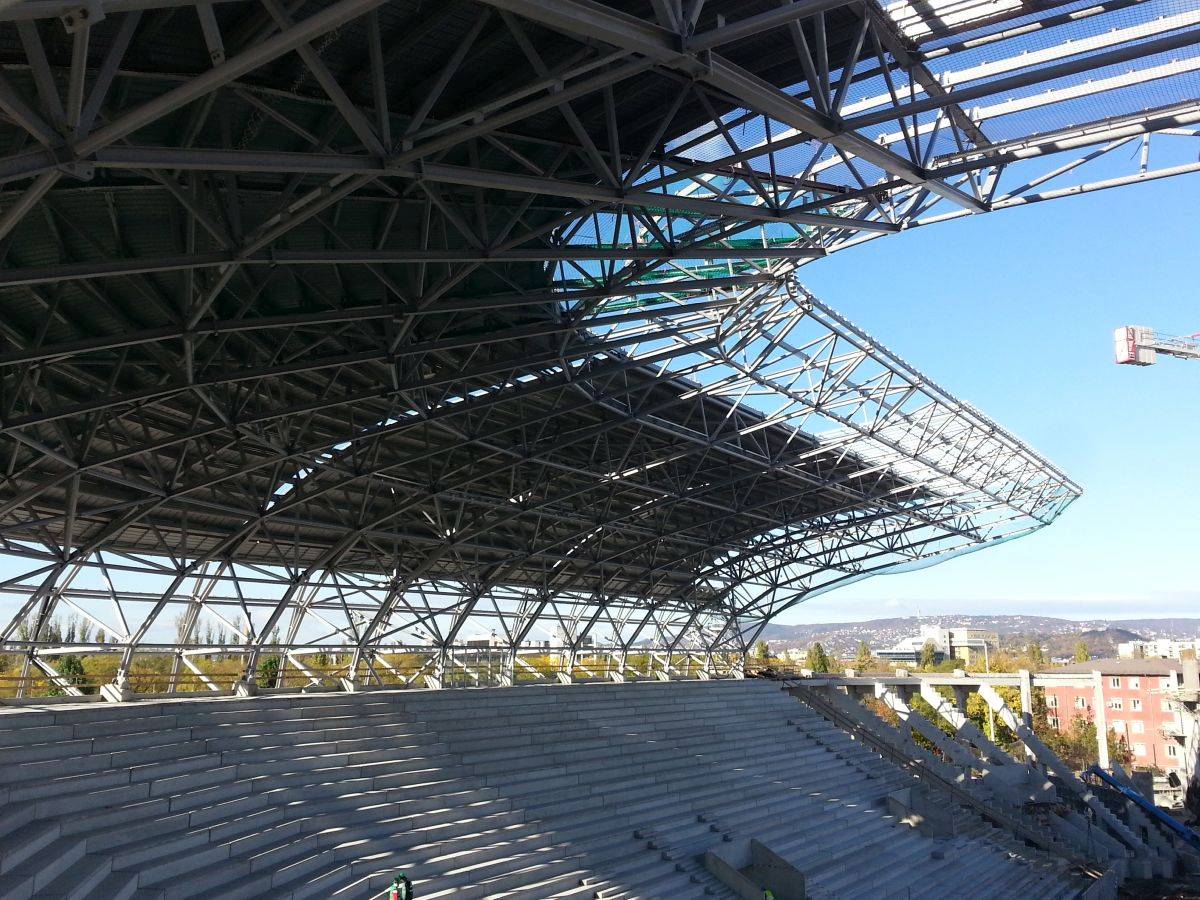
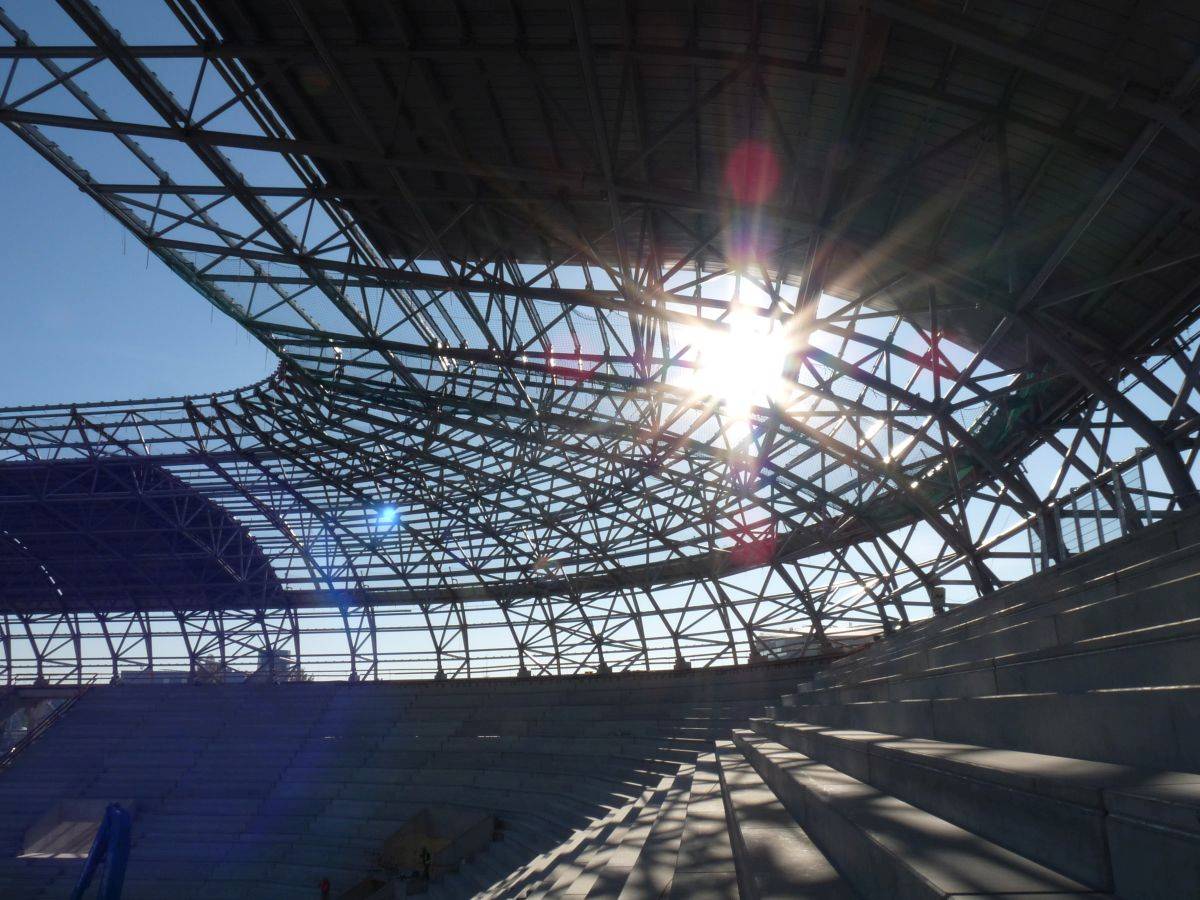
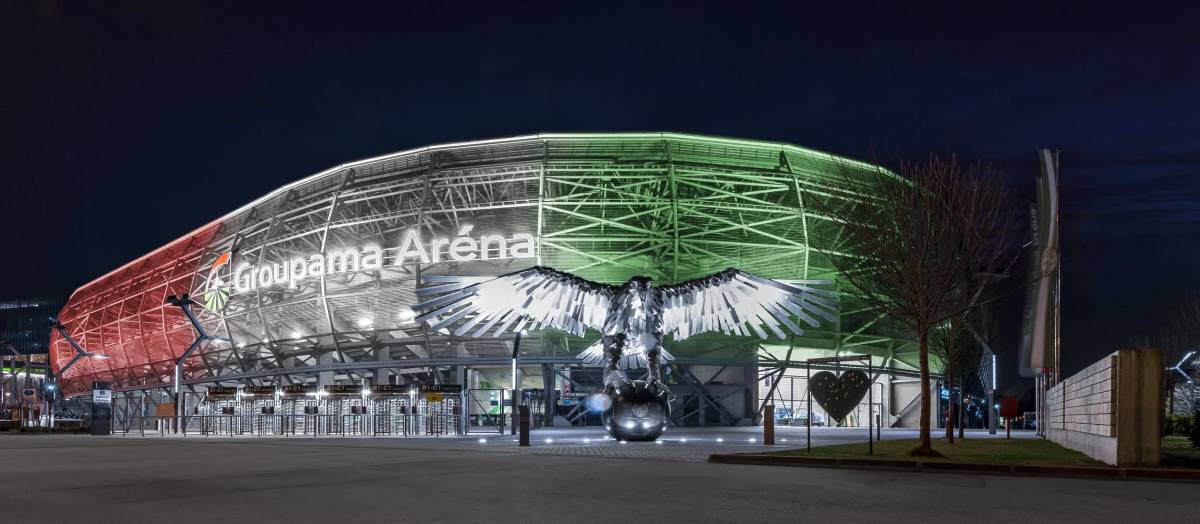
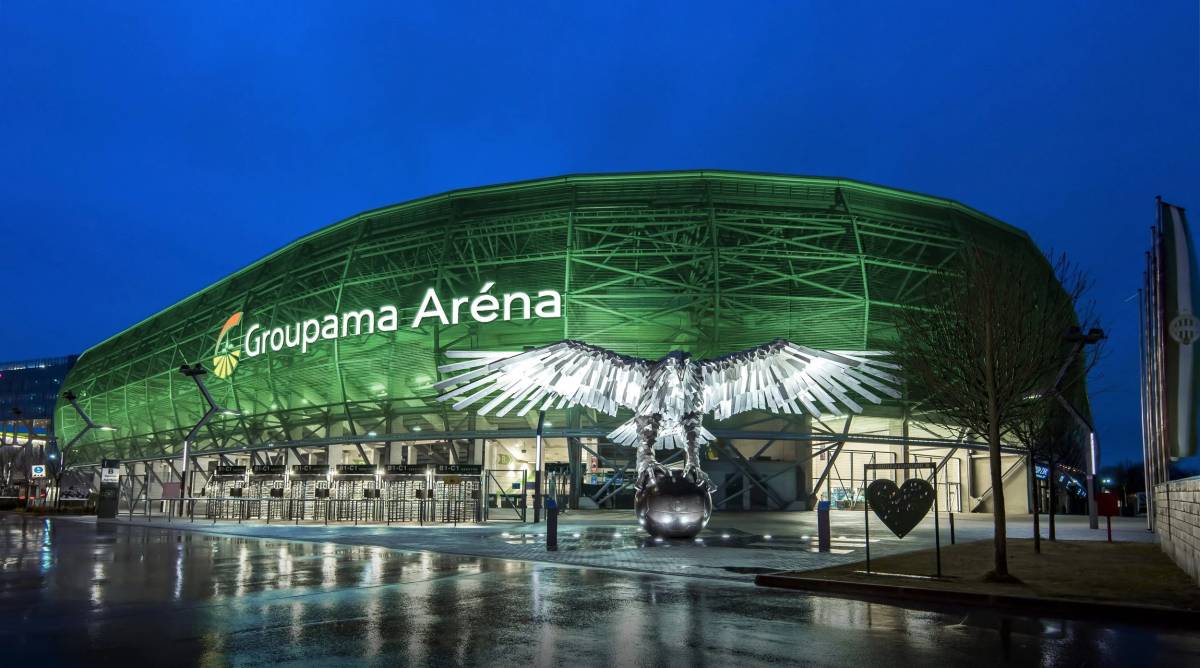
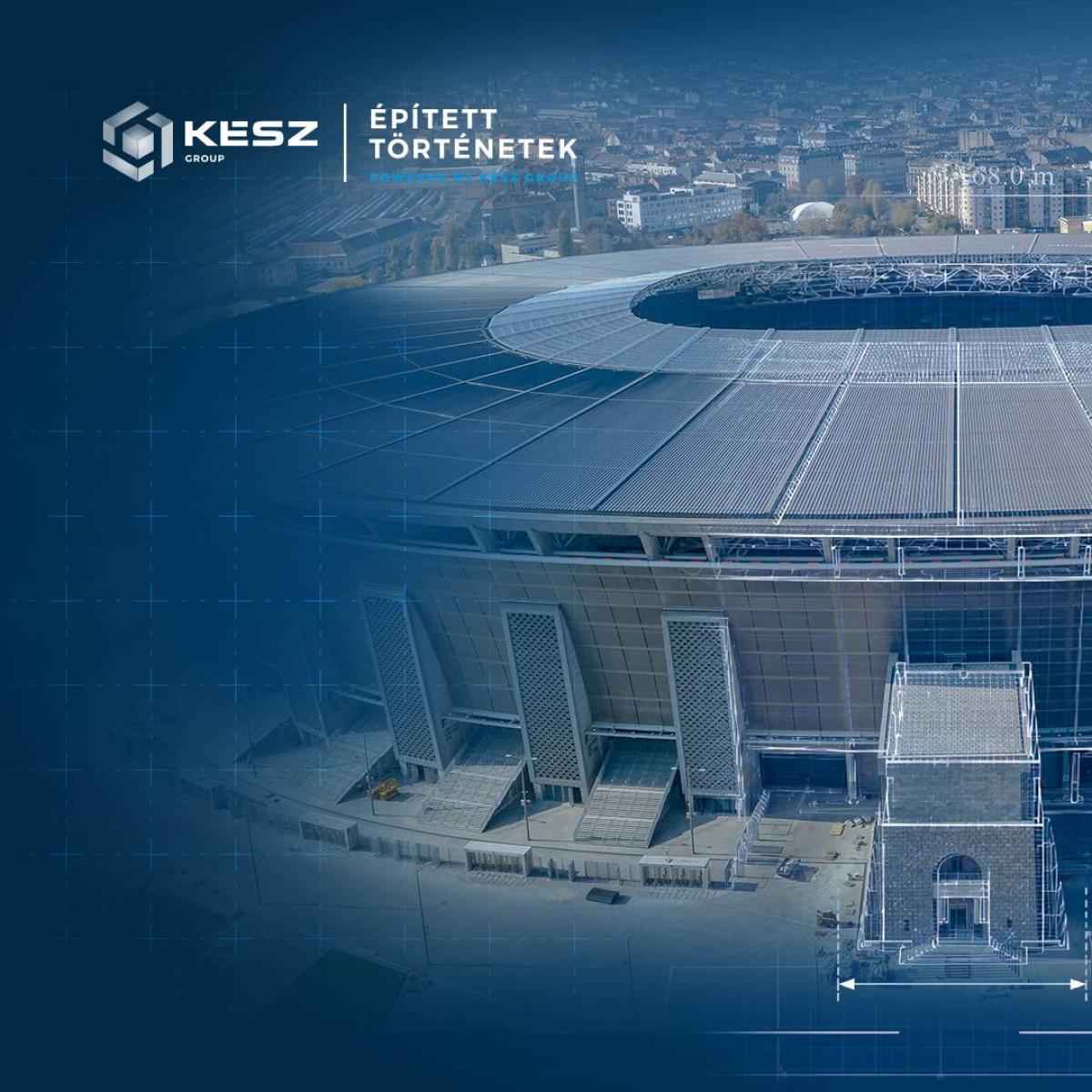
One of the stadium’s most defining features is its light, modern roof structure and dynamic facade, which has now become an iconic sight on Üllői út.
KÉSZ Group also played a significant role in the project’s implementation.
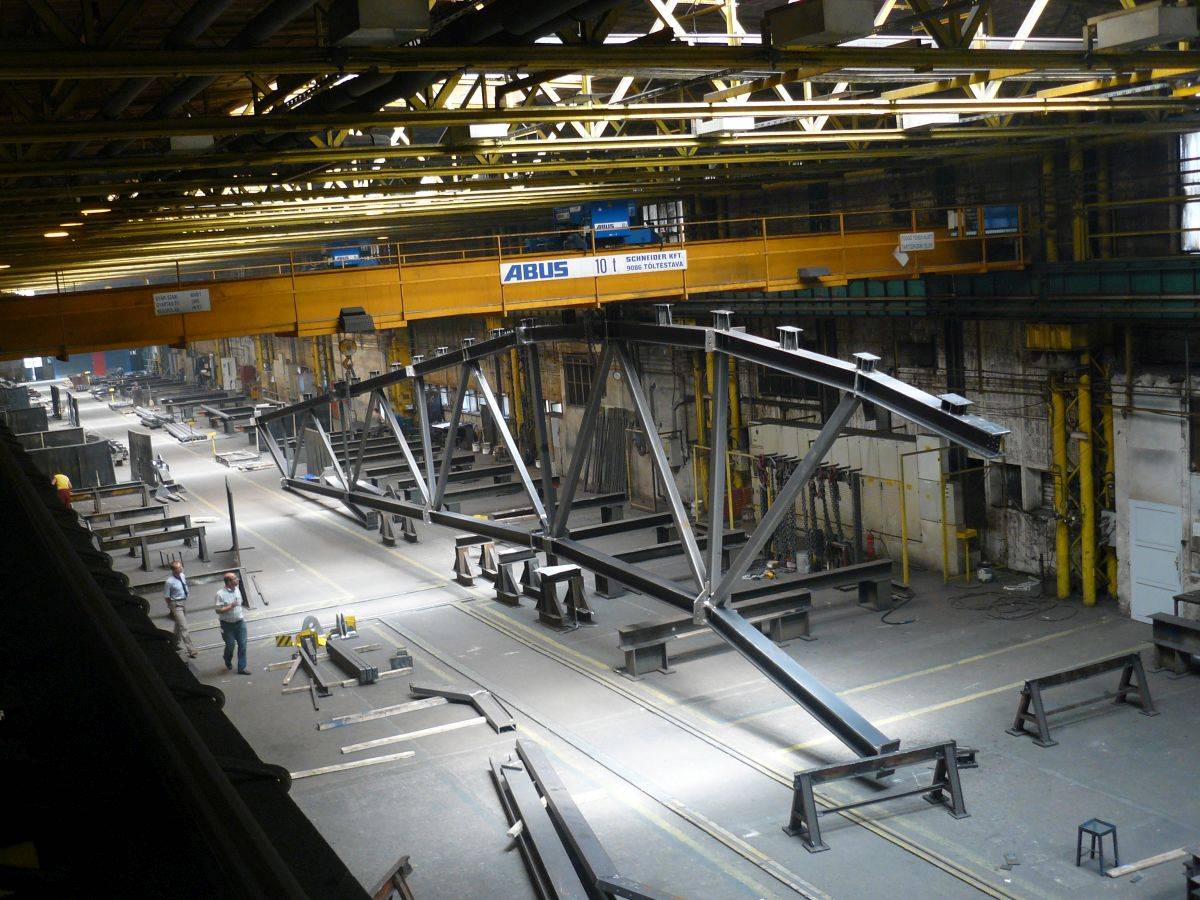
The company was involved in the fabrication and on-site assembly of the steel structures, as well as in the installation of the roof cladding and the construction of the facade.
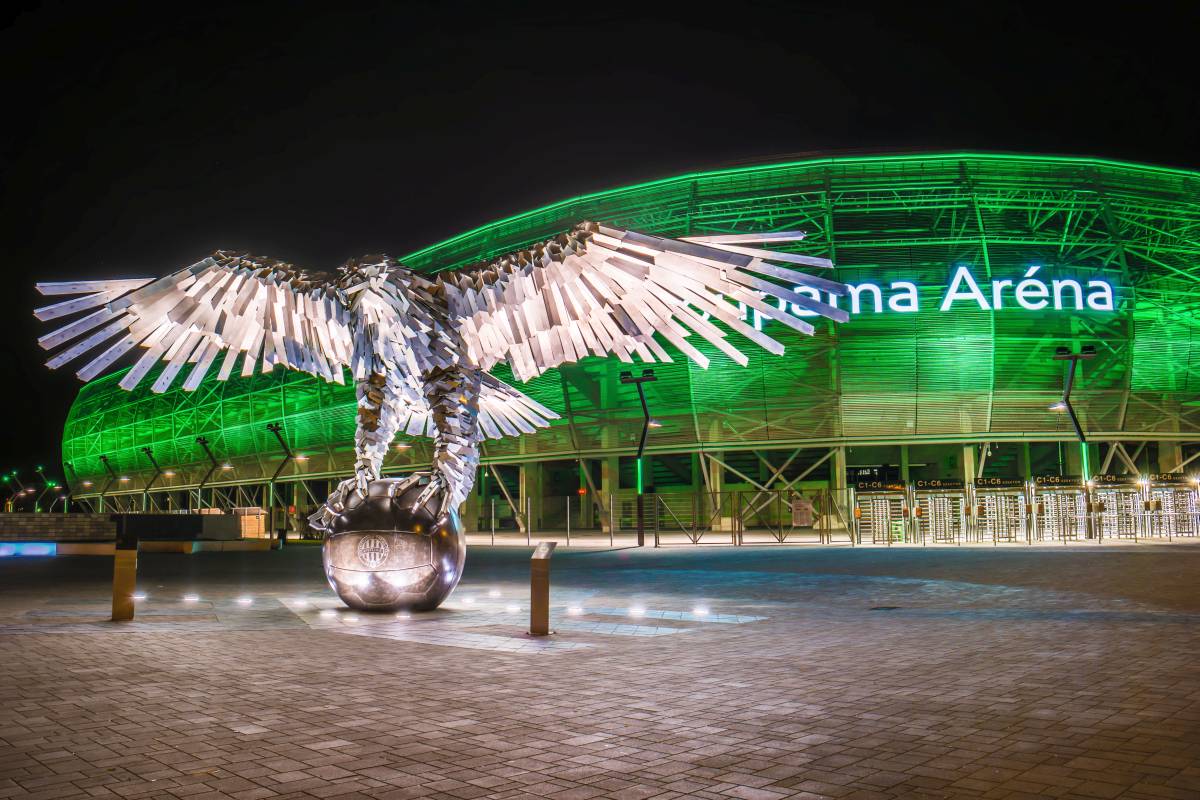
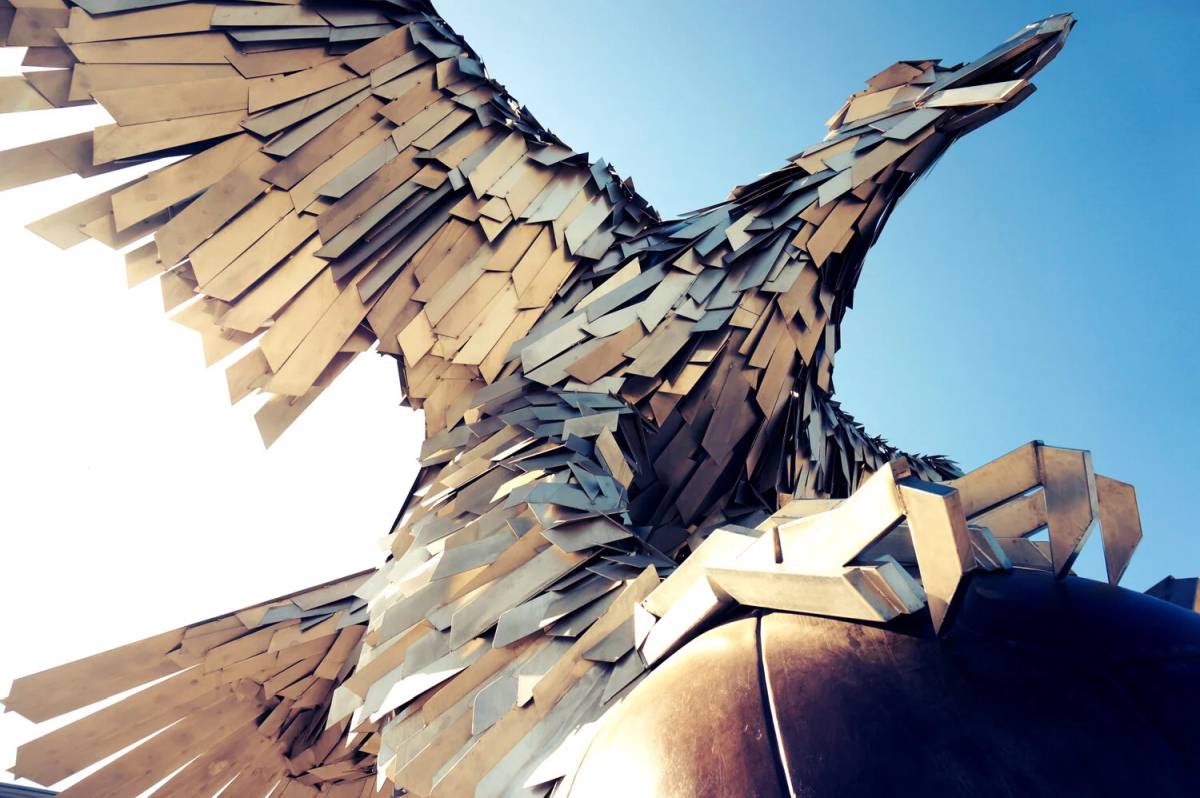
The most recognizable feature of the stadium’s surroundings is the monumental eagle sculpture created by Gábor Miklós Szőke, which has since become one of Ferencváros’s most recognizable visual symbols.
Groupama is a major venue for community events
Groupama Arena was inaugurated on August 10, 2014, with a match between Ferencváros and Chelsea. Since then, the stadium has become one of the most important venues in Hungarian club football. A series of domestic league matches, cup finals, and international cup matches are associated with the arena on Üllői út.
At the same time, Groupama Arena has become much more than just a soccer stadium. Thanks to its multifunctional design, it also serves as one of Budapest’s major event centers. In recent years, it has hosted several major concerts. Among others, Robbie Williams performed here in 2017 as part of his The Heavy Entertainment Show tour, and in 2022, Iron Maiden held a large-scale stadium concert as part of their Legacy of the Beast tour.
The stadium also regularly serves as a venue for conferences, business events, award ceremonies, and exclusive events. The skyboxes, VIP areas, and event spaces allow the arena to remain an active part of Budapest’s cultural and business life even on days when no matches are taking place.
Image source: KÉSZ Group, Groupama Arena official website.
Facts


Constructed Stories was created by