Cathedral of Szeged
A vow made after a flood
The Cathedral of Szeged is not just a massive church.
It is a monument to the rebirth of an entire city.
In 1879, River Tisza nearly completely destroyed the city of Szeged. Most of the houses collapsed, streets vanished into the mud, and for a long time it was uncertain whether the city would ever be able to recover. The survivors eventually made a vow: if Szeged were rebuilt, they would erect a monumental church in gratitude.
However, the fulfillment of this vow was delayed for many decades. By the time the city had recovered economically and the planning of the church could actually begin, a completely new Szeged had taken shape, with wide boulevards, palaces, and a cityscape on a European scale. And for the city’s new center, they envisioned a church worthy of the reborn Szeged.
The site where a medieval church once stood
For centuries, the Church of St. Demetrius stood on the site of today’s Cathedral. It was one of Szeged’s oldest religious buildings, mentioned as early as the Middle Ages. When it was decided that the new Votive Church would be built here, a serious debate erupted because many people did not want to demolish the old church. However, an unexpected discovery was made during the demolition.
More
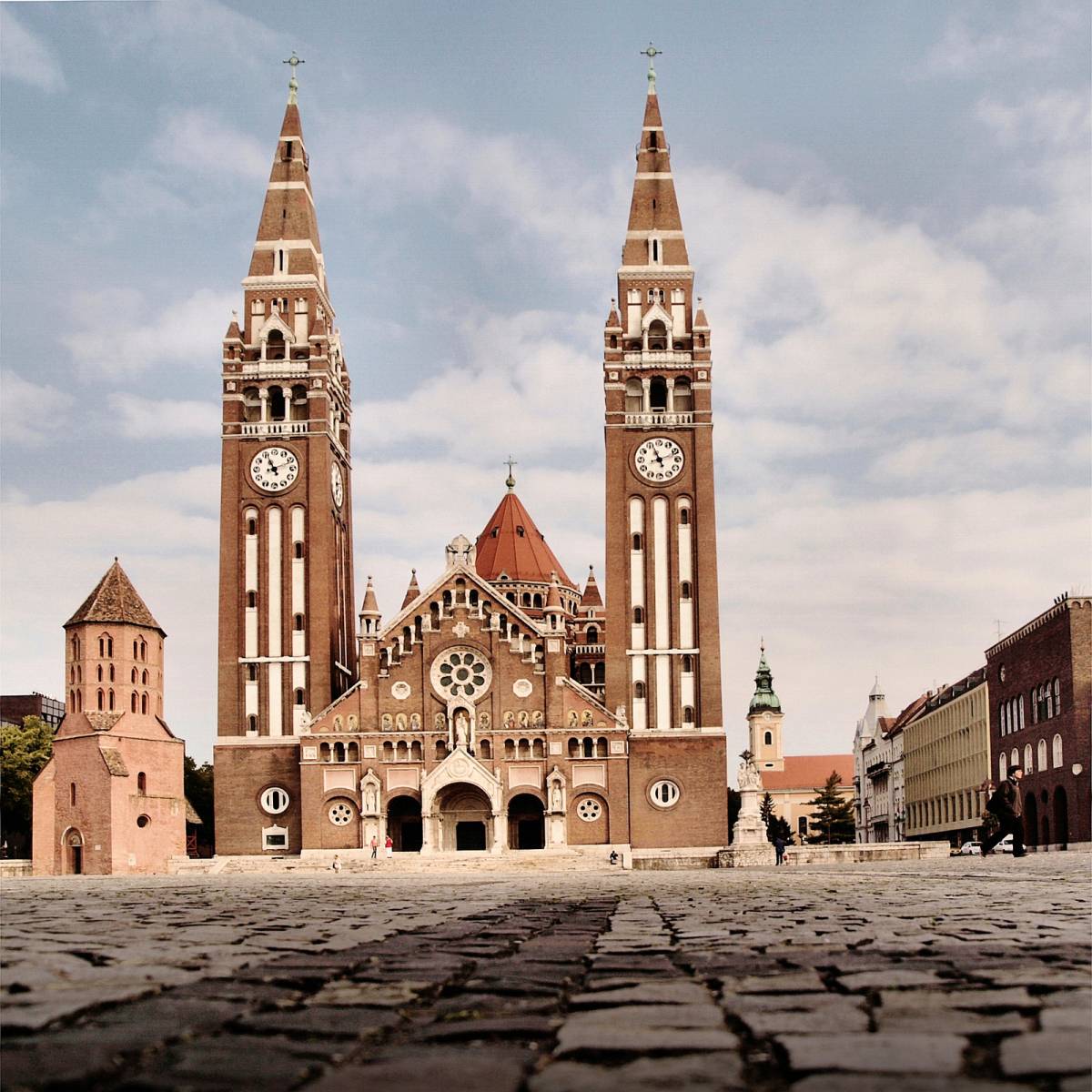
The medieval Dömötör Tower was uncovered, which until then had been almost completely hidden within the later walls. It turned out to be Szeged’s oldest surviving structure, featuring details from the 11th–12th centuries. The tower was ultimately saved, restored, and still stands today next to the Cathedral, as if medieval Szeged were watching the birth and ongoing development of the new city.
The tower’s interior walls are adorned with frescoes by Vilmos Aba-Novák, while the wrought-iron gate was designed by Béla Rerrich to symbolically depict the most important stages of human life: birth, baptism, marriage, work, old age, and death. The gate thus tells both a religious and a human story, as if, upon entering the medieval tower, one were to encounter the symbols of one’s own life journey.
A cathedral that looked almost entirely different
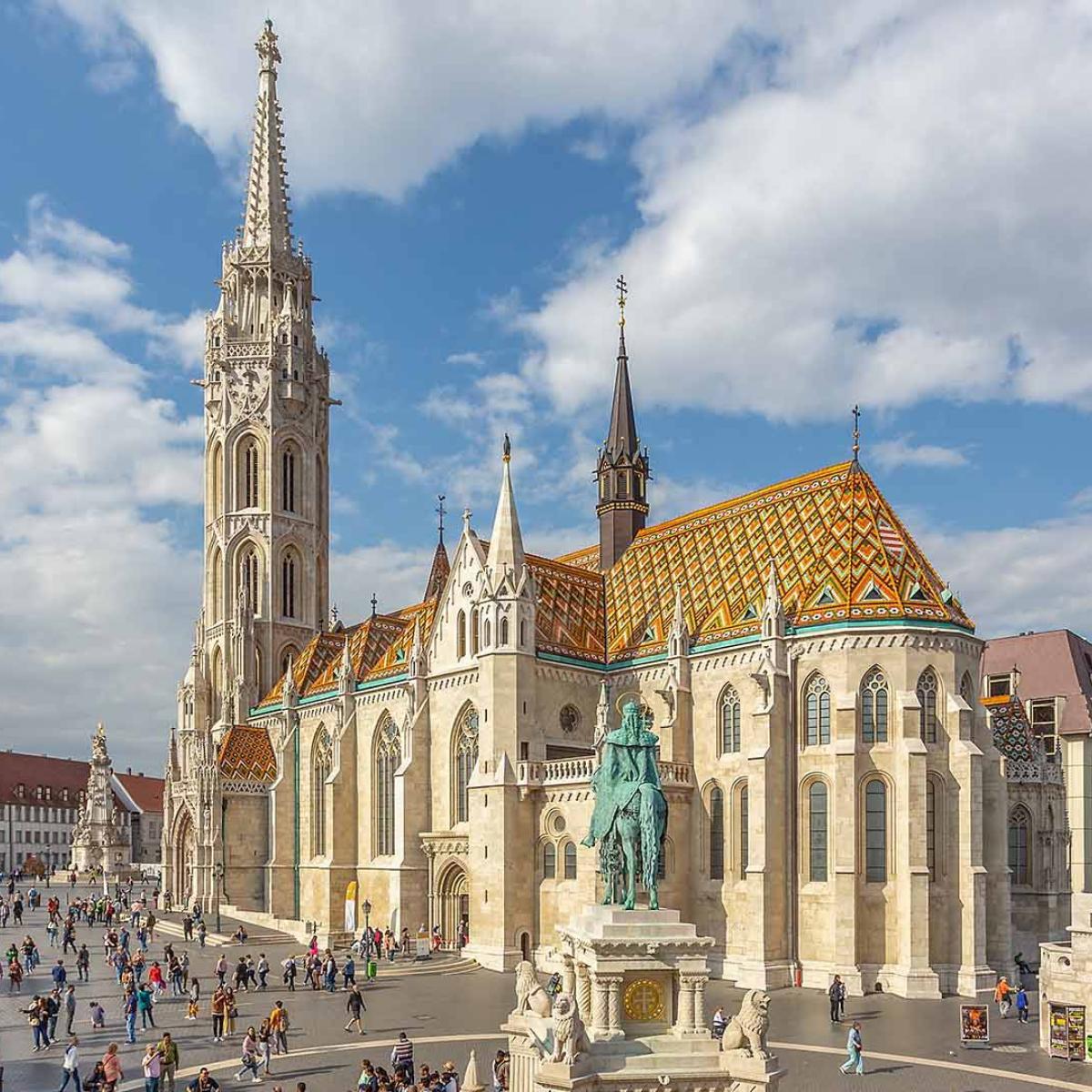
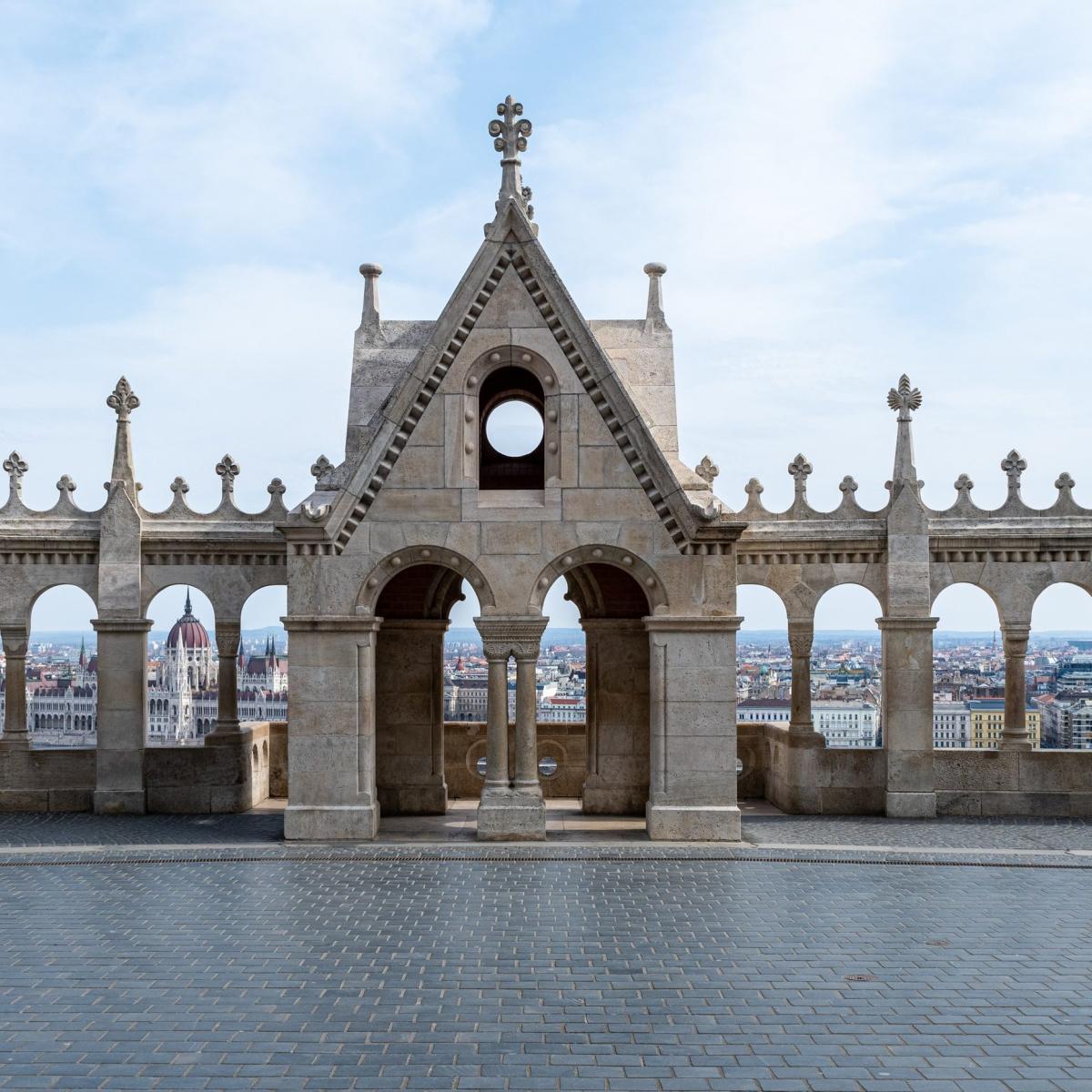
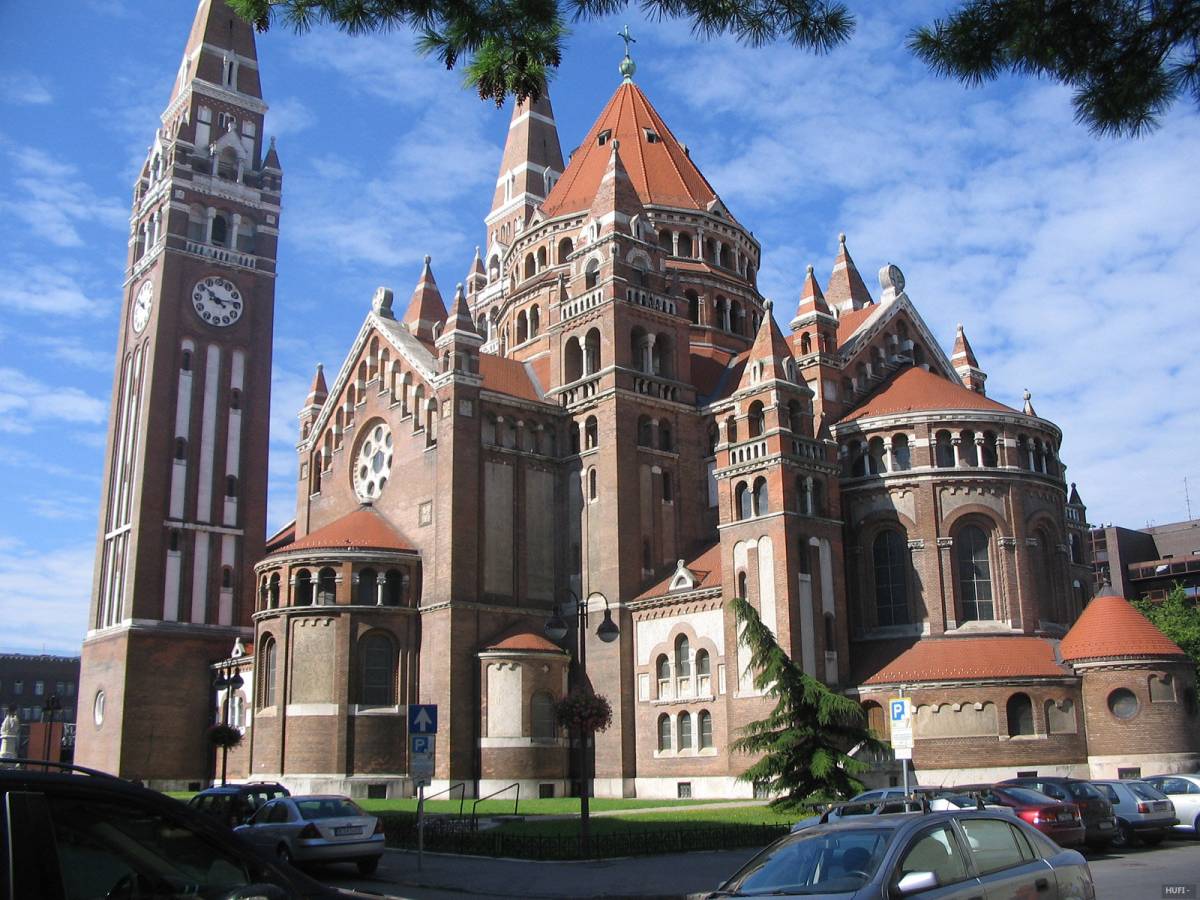
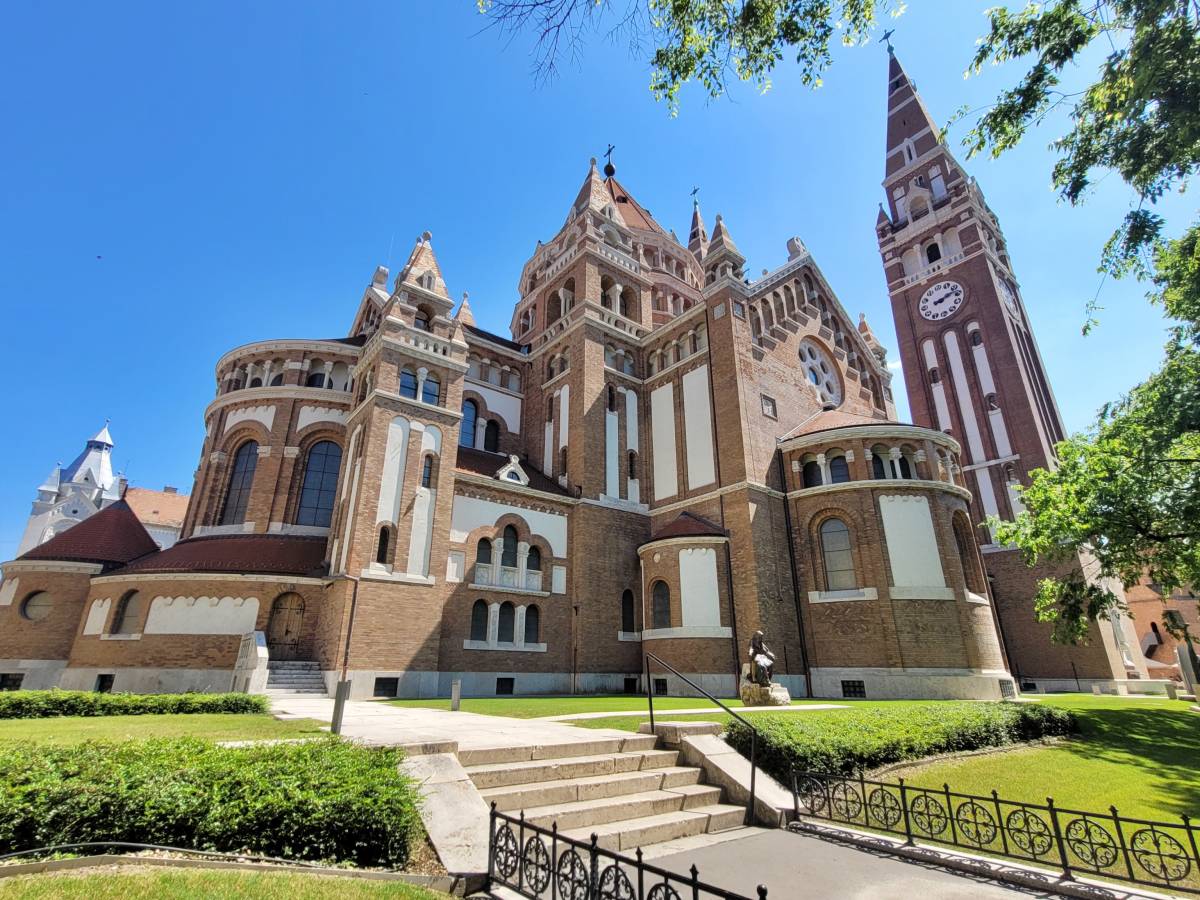
The initial plans for the Szeged Cathedral were drawn up by Frigyes Schulek, who was already nationally renowned as the architect behind the restoration of the Fisherman’s Bastion and Matthias Church in Buda. According to Schulek’s original vision, the Szeged cathedral was to have been clad in light, white stone, similar to the Sacré-Cœur Basilica in Paris. However, the costs proved too high, so the plans were later revised by Ernő Foerk. This is how the current red-brick, Neo-Romanesque building came into life.
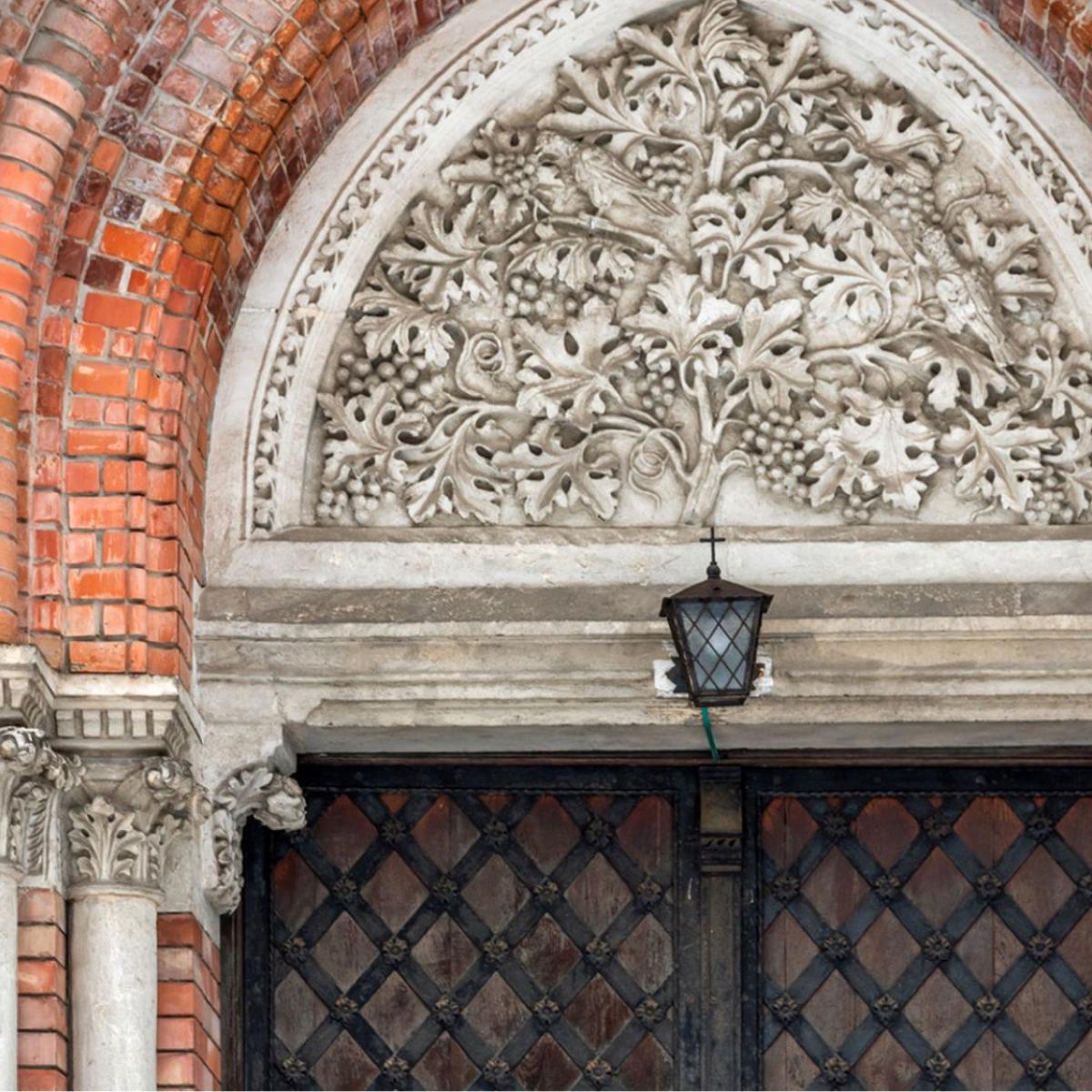
Due to its unique proportions, the Cathedral dominates the Szeged skyline even from a distance. Its two monumental towers rise above Dóm Square almost like gateways, and the red-brick facade lends the building a distinctly Mediterranean atmosphere at sunset. The influence of the Romanesque style of northern Italy is strongly felt in the church’s design: the semicircular windows, the solid towers, the geometric ornamentation, and the massive arches all evoke this.
War, unfinished towers, and a fresh start
The groundbreaking ceremony was held on June 21, 1914, in a festive atmosphere, but World War I broke out just a few weeks later.
Construction came to a virtual standstill, and the half-finished church stood in the center of Szeged for many years. The city lacked the funds to continue, so another nationwide fundraising campaign had to be organized. Work finally resumed in the 1920s. By 1924, the dome was completed, and a year later, the two towers were also standing. The church was finally consecrated in 1930.
The marble band still visible on the towers today is not a decorative element: it marks the height to which the building had been completed when the war broke out.
One of Europe’s most extraordinary cathedral squares
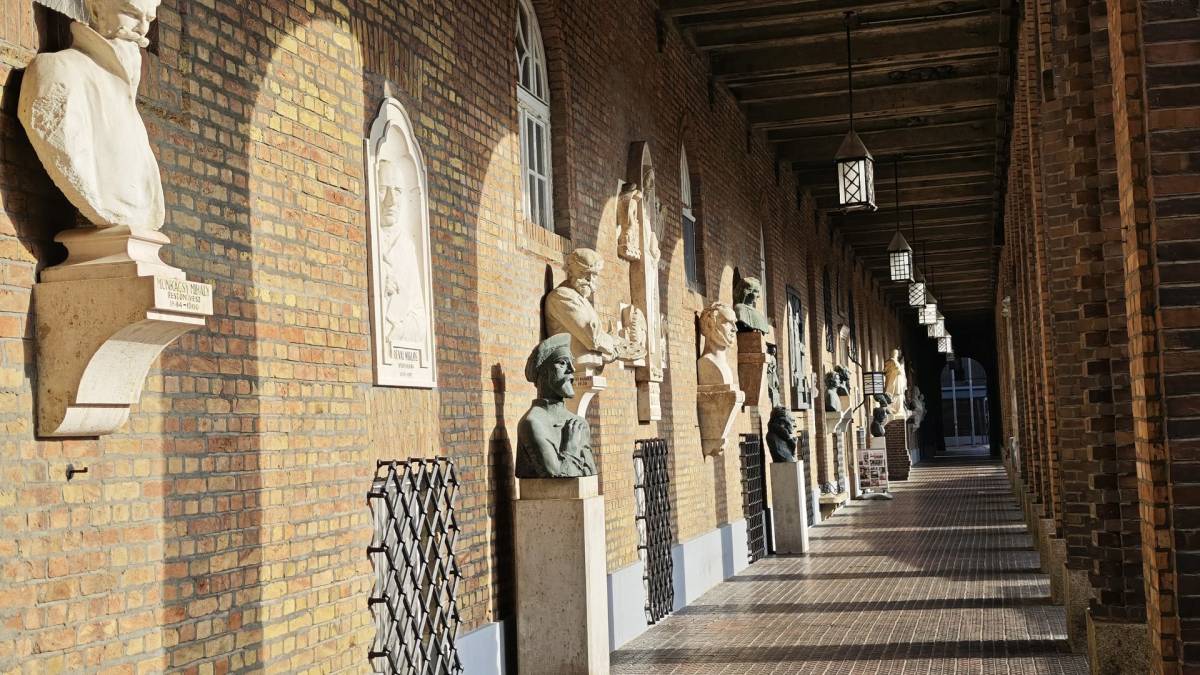
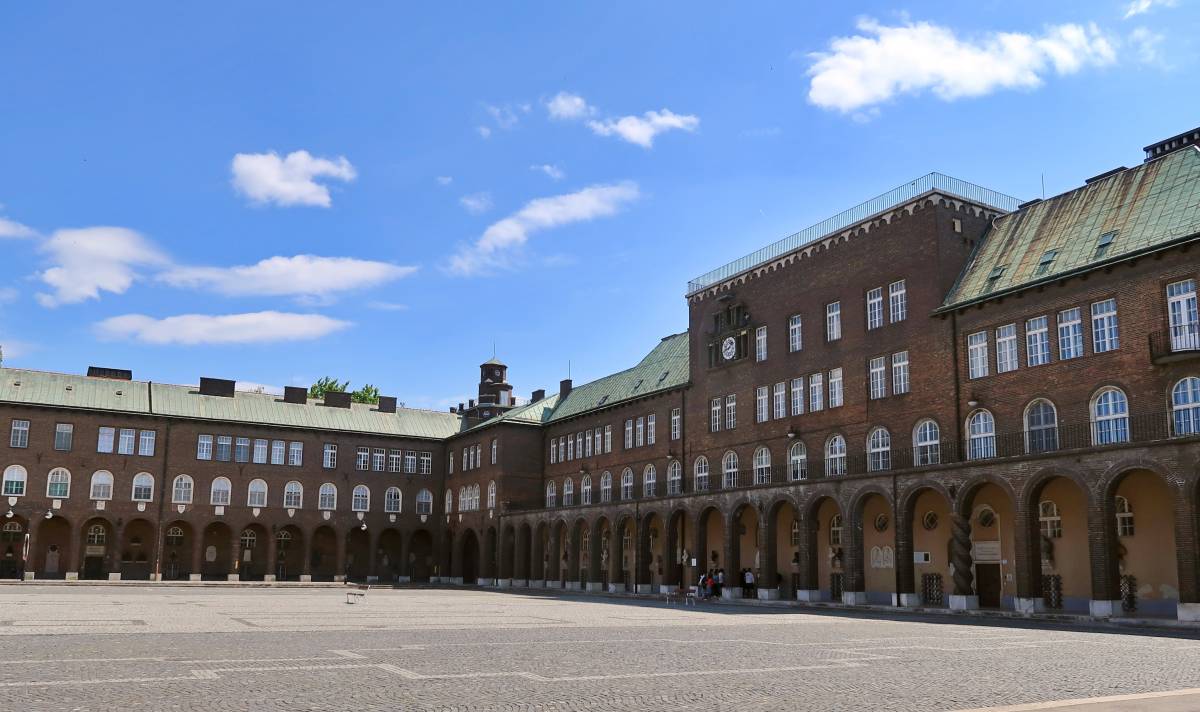
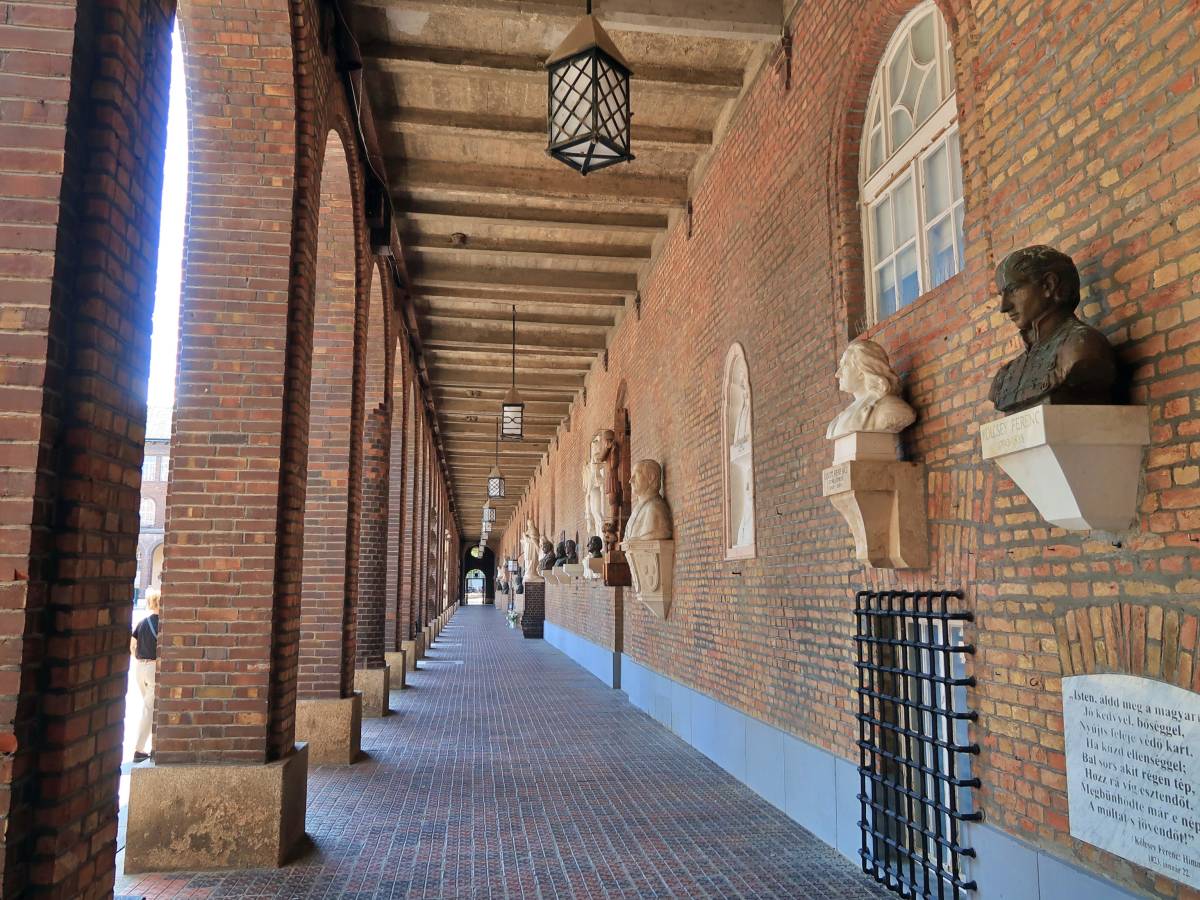
The Cathedral was not designed as a standalone building; rather, the Cathedral Square built around it is just as integral a part of the composition as the cathedral itself. The square was designed by Béla Rerrich, who created a unified brick architectural framework that incorporates the university buildings, the bishop’s palace, and arcaded walkways.
What makes the square unique is that it draws the eye toward the cathedral almost like a theatrical set. In the summer, the famous Szeged Open-Air Festival performances are also held here.
According to locals, Dóm Square is most beautiful in the evening, when the red brick buildings and the illuminated towers appear simultaneously among the arches of the square.
Mosaics, bells, and Szeged slippers
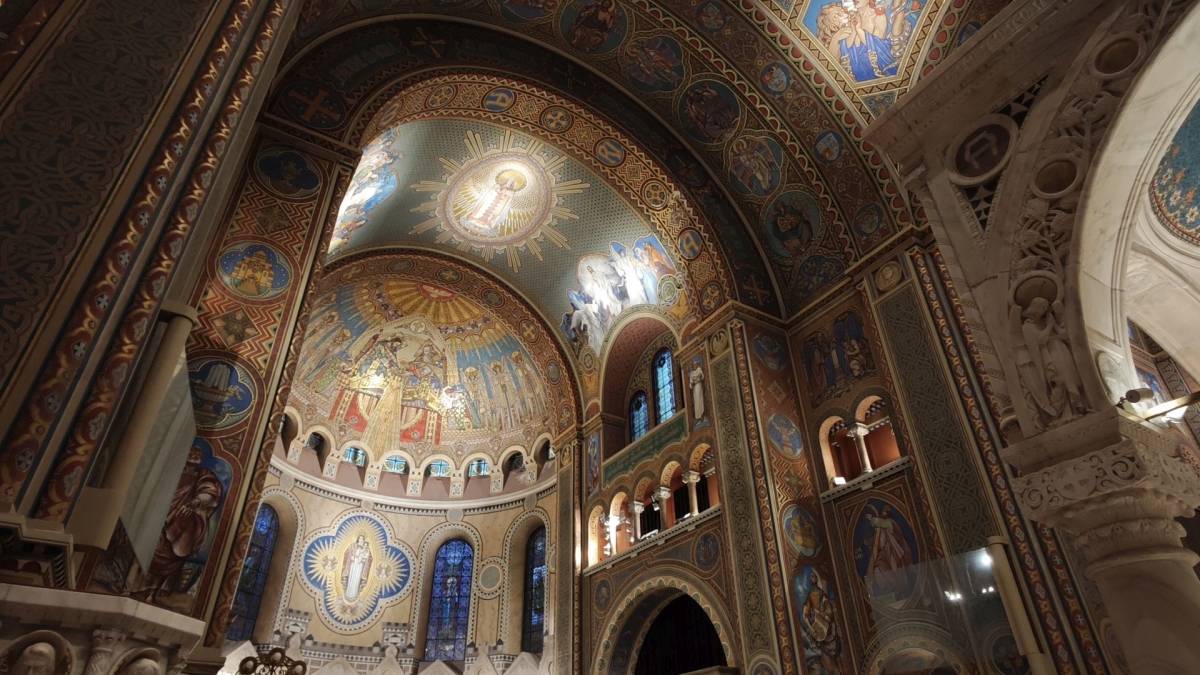
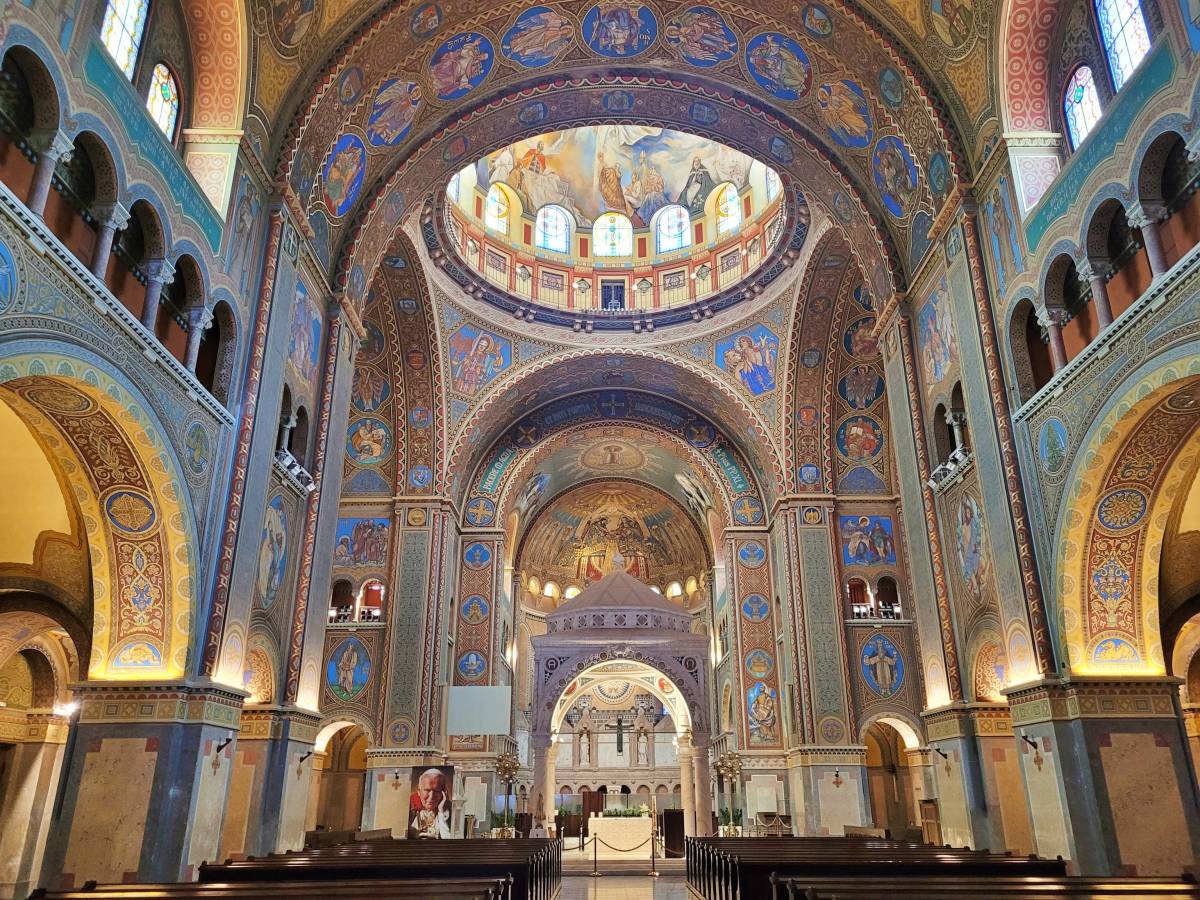
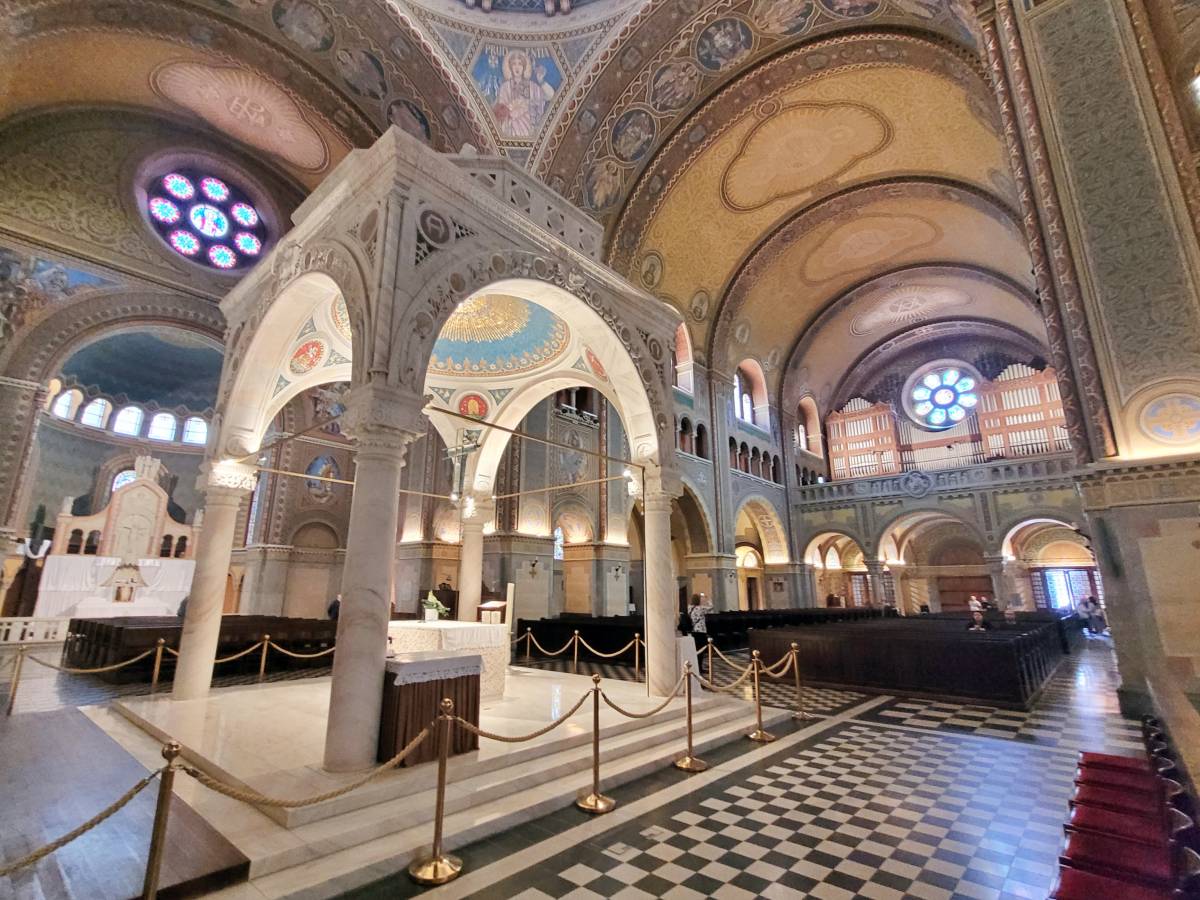
The interior of the church is just as unique as its exterior. The stained-glass windows were created by Miksa Róth, and the interior decorations feature mosaics, marble surfaces, and gilded details. One of the most famous details is the depiction of Our Lady of the Hungarians, where the Virgin Mary appears not in royal robes, but in Szeged slippers and a traditional Hungarian coat. This motif has become both a religious and a folk art symbol.
The cathedral’s organ is one of Europe’s largest church instruments, and the Heroes’ Bell, weighing over 8.5 tons, is one of Hungary’s largest bells.
The western tower now houses an observation deck offering views of the entire city of Szeged and the banks of the River Tisza.
The cathedral that became the symbol of Szeged
Today, the Cathedral of Szeged is at once a religious center, a historic landmark, and the city’s most recognizable symbol. For locals, it is not just a church, but also a reminder of the city’s rebirth after the flood. It is no coincidence that when people in Szeged are asked what the city’s most iconic building is, almost everyone gives the same answer: the Cathedral.
Facts
Constructed Stories was created by